.webp&w=1920&q=82)
.webp&w=1920&q=82)
.webp&w=1920&q=82)
.webp&w=1920&q=82)
.webp&w=1920&q=82)
.webp&w=1920&q=82)
.webp&w=1920&q=82)
.webp&w=1920&q=82)
.webp&w=1920&q=82)
Centro Cultural São Francisco
Ladeira São Francisco, s/n, in João Pessoa’s Historic Center, Paraíba.
High in João Pessoa’s Historic Center, Centro Cultural São Francisco invites visitors into Brazilian Baroque through its churches, convent and art collections.
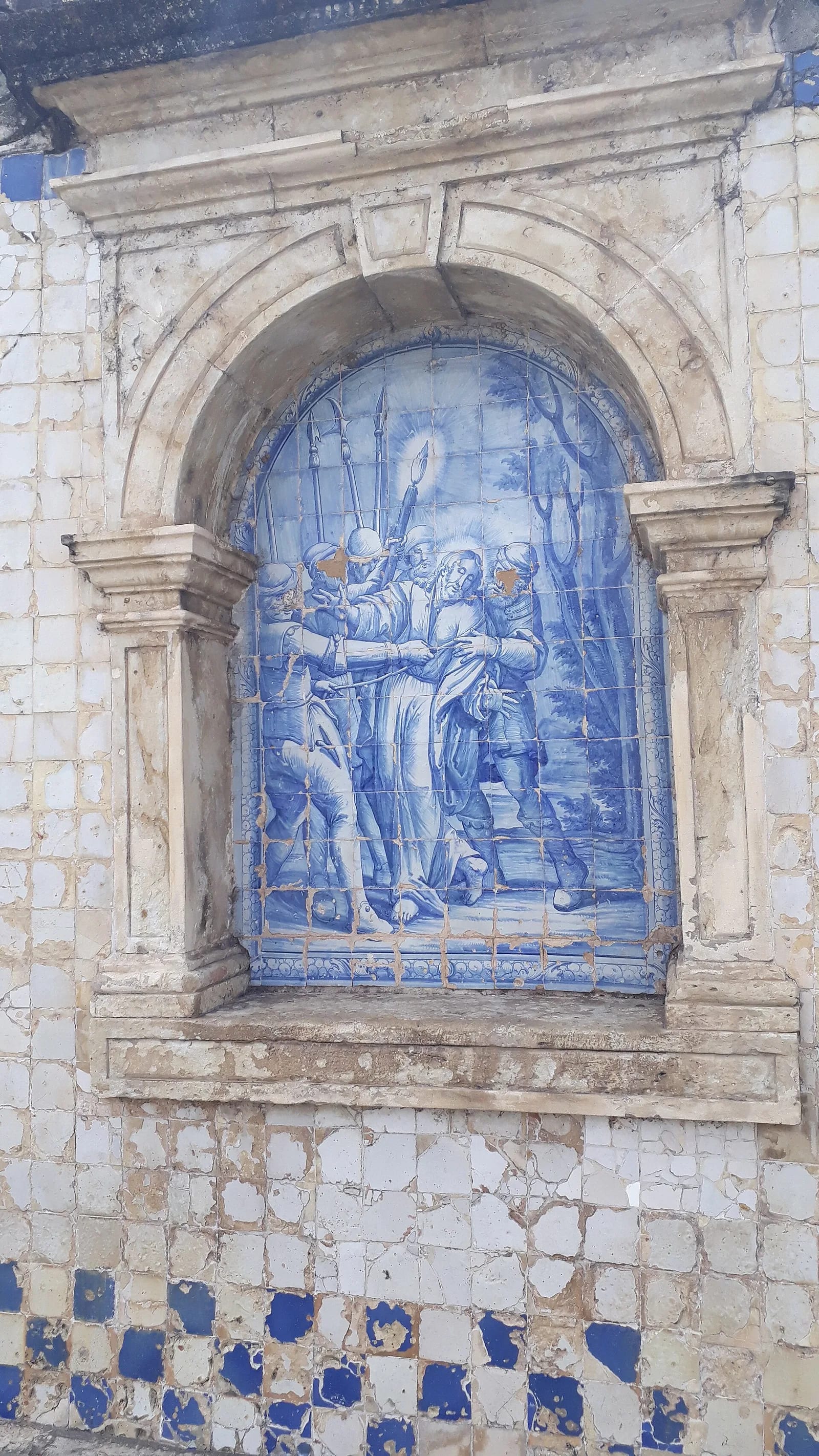
From the forecourt, transept, cloister and chapels, the former Franciscan complex unveils the building and decorative richness amassed during the colonial era. Portuguese tilework, gilded woodwork, carved stone, and exhibitions of sacred and popular art make the visit a reflective pause from the city’s pace.
🤔 Why does it matter?
It offers an especially vivid way to understand João Pessoa’s historical formation: religious heritage that now also hosts education, exhibitions, and cultural programming.
📍 What to see
- Igreja e Convento de Santo Antônio, the original core of the complex.
- Capela da Ordem Terceira, also known as Capela Dourada.
- The cloister, transept, monumental fountain, and broad forecourt.
- Portuguese tiles adorning elements of the complex.
- Brasil Arte Popular Hoje and the permanent sacred-art exhibition.
- Furnishings from the former Palácio Arquiepiscopal and the Memorial dos Bispos e Arcebispos.
🎒 Things to do
- Join a guided visit led by Centro Cultural staff.
- Explore independently during opening hours.
- See the temporary exhibitions on view.
- Take amateur photographs of the spaces, respecting site rules.
- Check the schedule of workshops, courses, and talks.
✨ Recommended experiences
- Heritage morning: take a guided visit, allow about 40 minutes, and follow the transition from forecourt to church to cloister.
- Religious and cultural circuit: pair the visit with a walk among the churches and historic houses of João Pessoa’s Historic Center.
- At your own pace: choose the self-guided option and linger over permanent and temporary exhibitions.
🍽️ Local cuisine
🎶 Soundtrack
- Chiclete com Banana — Jackson do Pandeiro
- Banho de Cheiro — Elba Ramalho
- Admirável Gado Novo — Zé Ramalho
🎭 Local culture
🌿 Nature nearby
🌎 Biomes
🏞️ Natural features
🐾 Possible animals in the area
🌱 Possible plants in the area
📅 Best time to visit
September through January usually brings drier weather for pairing an indoor visit with walks through the Historic Center; the monument is open year-round.
- ✅ Best time:
- September to January
- 🟡 Shoulder season:
- February and August
- 🔴 Less recommended:
- March to July, the rainiest period
- 📝 Notes:
- On rainy days, the indoor program remains attractive, but the outdoor floor and slopes can become slippery.
🧭 Getting there
🏙️ Base city: João Pessoa
✈️ Airport: João Pessoa–Presidente Castro Pinto International Airport, in Bayeux
- By car or rideshare, take BR-230 toward central João Pessoa, then turn onto Ladeira São Francisco.
- No bus line stops directly outside the Centro Cultural; official guidance is to get off at Parque Sólon de Lucena and walk about 750 meters (0.5 mi).
- The visitor entrance is at Ladeira São Francisco, s/n, in the city center.
🚗 Local transportation
- Walking is a good way to place the monument within the Historic Center; take care on hills and old paving.
- Taxis and app-based vehicles make it easier to get back, especially outside of busy times.
- Internal parking is intended for employees and services; at events, it can be open to the public depending on availability.
ℹ️ Practical information
- 🏗️ Infraestrutura:
- Consolidated
- 🏨 Hospedagem:
- Wide range of hotels and guesthouses in João Pessoa, especially on the seafront and in central areas.
- 🍴 Diet:
- Cafés and restaurants are available nearby and elsewhere in the Historic Center.
- 🧭 Guides and agencies:
- The Centro Cultural offers staff-led guided visits; groups of more than ten should arrange a reservation in advance.
- 📶 Internet and signal:
- No information is provided by the cultural site.
- 💰 Estimated cost:
- As of January 2, 2026, full-price admission is R$ 22 and discounted admission is R$ 11; children aged 7 and under enter free, subject to specific conditions for school excursions.
- 📝 Notes:
- The ticket office closes 30 minutes before closing. Admission is subject to capacity, and some areas may have temporary restrictions during restoration works.
♿ Acessibilidade
Level: consult local operators
No current official specification covering all accessibility features was found. As a historic complex, it has uneven surfaces, changes in level, and possible temporary restrictions on circulation.
- Contact the Cultural Center before the visit to inform specific needs.
- Consider bringing a companion in areas with old paving, stairs, or changes in level.
- On the day, confirm which spaces remain accessible during restoration.
⚠️ Safety
🚨 Real risks
- Slips or trips on rocks, steps and uneven pavement.
- Heat and sun exposure while moving through the Historic Center.
- Temporary closures or isolated areas due to events and restoration.
✅ Recommended care
- Wear firm footwear with good grip.
- Bring water, sunscreen and rain protection according to the forecast.
- Respect signs, displayed works, and staff guidance.
- Confirm operation before leaving, especially on event dates.
⛔ When to avoid: Avoid arriving in the final 30 minutes if you want to see the entire complex; do not plan a visit on an exceptional closing day announced by the Centro Cultural.
📝 Checklist — what to bring
- Comfortable footwear with grippy sole
- Water bottle
- Sunscreen and hat for the outdoor route
- Compact umbrella in the rainy season
- ID for possible discounted or free admission
- Cell phone or amateur camera for permitted photography
✈️ Travel tips
- Arrive before the scheduled tour time to make the most of the experience.
- Set aside the morning or early afternoon and include time for the rest of Centro Histórico.
- Check the schedule of exhibitions and events before your trip.
- For professional photography, request prior authorization from the administration.
💡 Curiosidades
- The monumental fountain in the convent garden bears the date 1717.
- The choir stall is dated 1731.
- Capela da Ordem Terceira was gilded in 1753, when its 20 painted panels were also completed.
🤔 Did you know?
- Part of the Brasil Arte Popular Hoje collection had been exhibited in Paris, in 1987, and in Brasília before arriving at the Cultural Center.
- The change in popular usage from Santo Antônio to São Francisco relates to renovations to the chancel in the early 20th century.
- João Pessoa residents receive promotional free admission on the first Tuesday of each month, subject to the conditions and availability announced by the Centro Cultural.
📜 History and context
Paraíba’s Franciscan convent was founded in 1589. After changes of control and successive building phases, the church was consecrated in 1734 and work on its façade was completed in 1779. Restoration began under a 1979 agreement and was taken over by the then SPHAN in 1983; in 1989, the complex became Centro Cultural São Francisco.
🌍 Global importance
Recognized as one of Brazil’s most notable Baroque landmarks, the complex brings Franciscan architecture, religious imagery, and Brazilian popular art together in a single urban site. Its presence underscores the importance of João Pessoa’s Historic Center among the country’s preserved historic complexes.
🗺️ Quick map (orientation)
📌 Main base: João Pessoa Historic Center
🧭 Landmarks
📍 Nearby places
Pequenas descobertas
- João Pessoa
- Capital of Paraíba, founded in 1585, with a federally listed historic center.
- Paraíba
- Brazilian state on the eastern coast of the Northeast.
- Centro Histórico
- The city’s oldest area, with grand houses, hills, and historic squares.
- Rubacão
- Rice with green beans or cowpeas, queijo coalho, and carne de sol; a typical Northeastern dish.
- Carne de sol
- Salted, cured beef traditionally associated with the sertão.
- Queijo coalho
- A typical Northeastern cheese, grilled over coals or on a griddle.
- Tapioca/cuscuz
- Granulated cassava steamed and served with butter or accompaniments.
- Macaxeira
- Grated cassava with coconut, baked in a pan.
- JPA
- The IATA code for João Pessoa’s airport in Bayeux.
- BR-230
- Federal highway that connects the capital to the interior and neighboring states.
- Rampas parciais
- A gentle ramp or reduced change in level; it may require support.
- Orla
- Urban coastal strip with beaches such as Tambaú and Cabo Branco.
- IPHAN
- Historic and artistic heritage protected by the federal government and administered by IPHAN.