Editorial
Analysis, data and context
Long-form articles on what moves Brazil — checked research, cited sources, unhurried reading.
Featured

The Math Nobody Does: Why 'Buy 3, Pay 2' Convinces Even With a Small Discount
A three-for-two offer is two things at once: simple arithmetic that almost nobody does in the supermarket aisle and a pricing tool that separates customers without announcing different prices. What happens in a buyer's head—and what the seller is buying with that discount.

Why the Producer Sells Raw Material and the Consumer Buys Meaning
The gap between the price of a sack and the price of a cup is neither accident nor malice. It is the result of three machines operating simultaneously: one that sets commodity prices, another that distributes bargaining power throughout the chain, and a third that manufactures meaning — and only the last one has margin, because only it produces something that cannot be substituted.
Recent articles
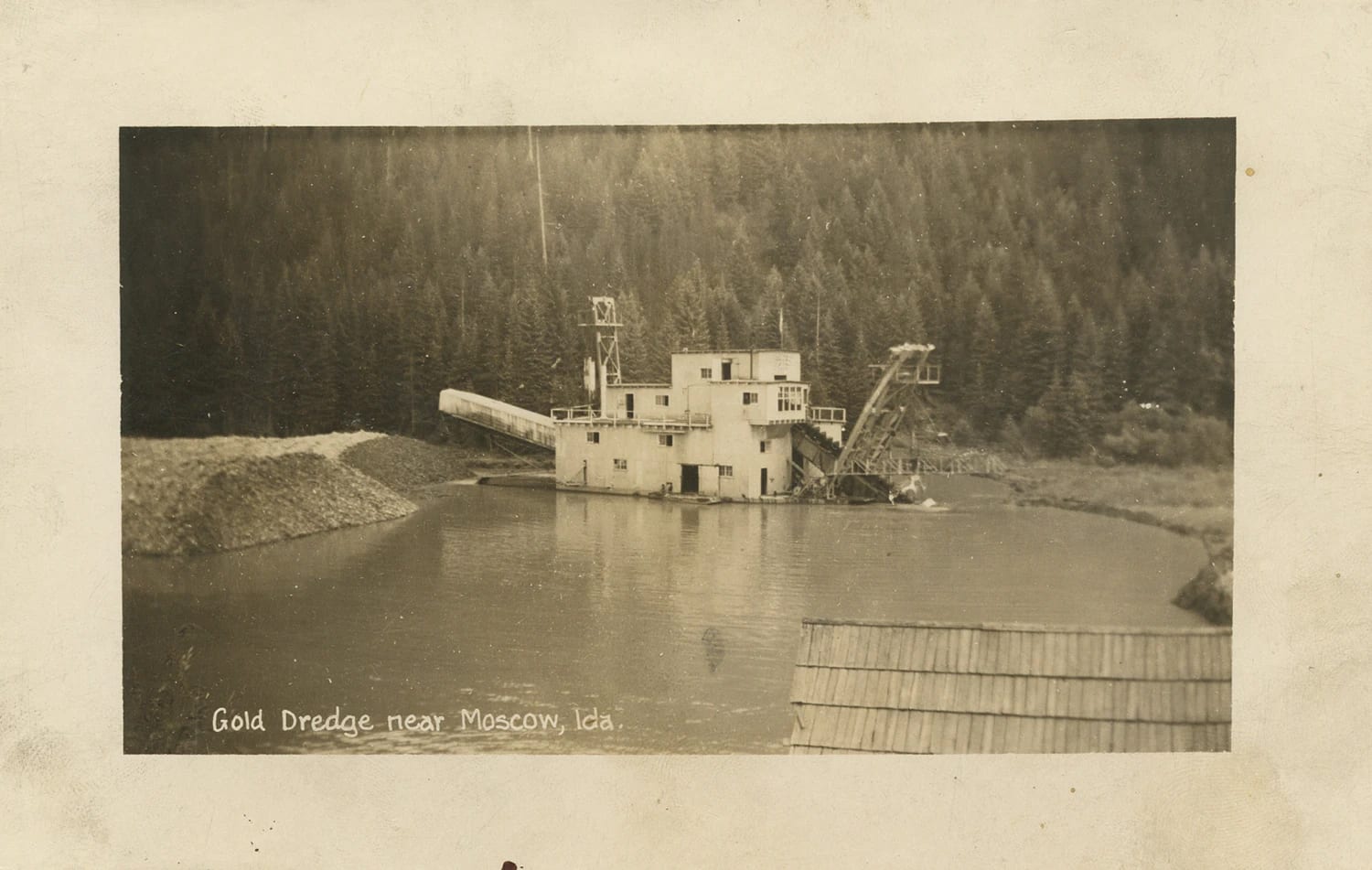
If Gold Were Wealth, Spain Would Have Been the Richest Country in History
Oil, minerals, and fertile land coexist with poverty across much of the world. The explanation lies not in the subsoil, but in what happens to income after it emerges: who can claim it, what it can buy, and whether an internal economy exists to absorb it.

Why One Thing is "Sophisticated" and Another Identical Thing is "Common"
Two products with the same function, the same raw material and similar cost take opposite symbolic paths. The answer isn't in the object: it's in a chain of instances—classes, empires, countries, brands and companies—that issue the verdict and then make it appear natural. A journey through Bourdieu, Pomeranz, Said, Fanon, Nye, Porter, and Holt.
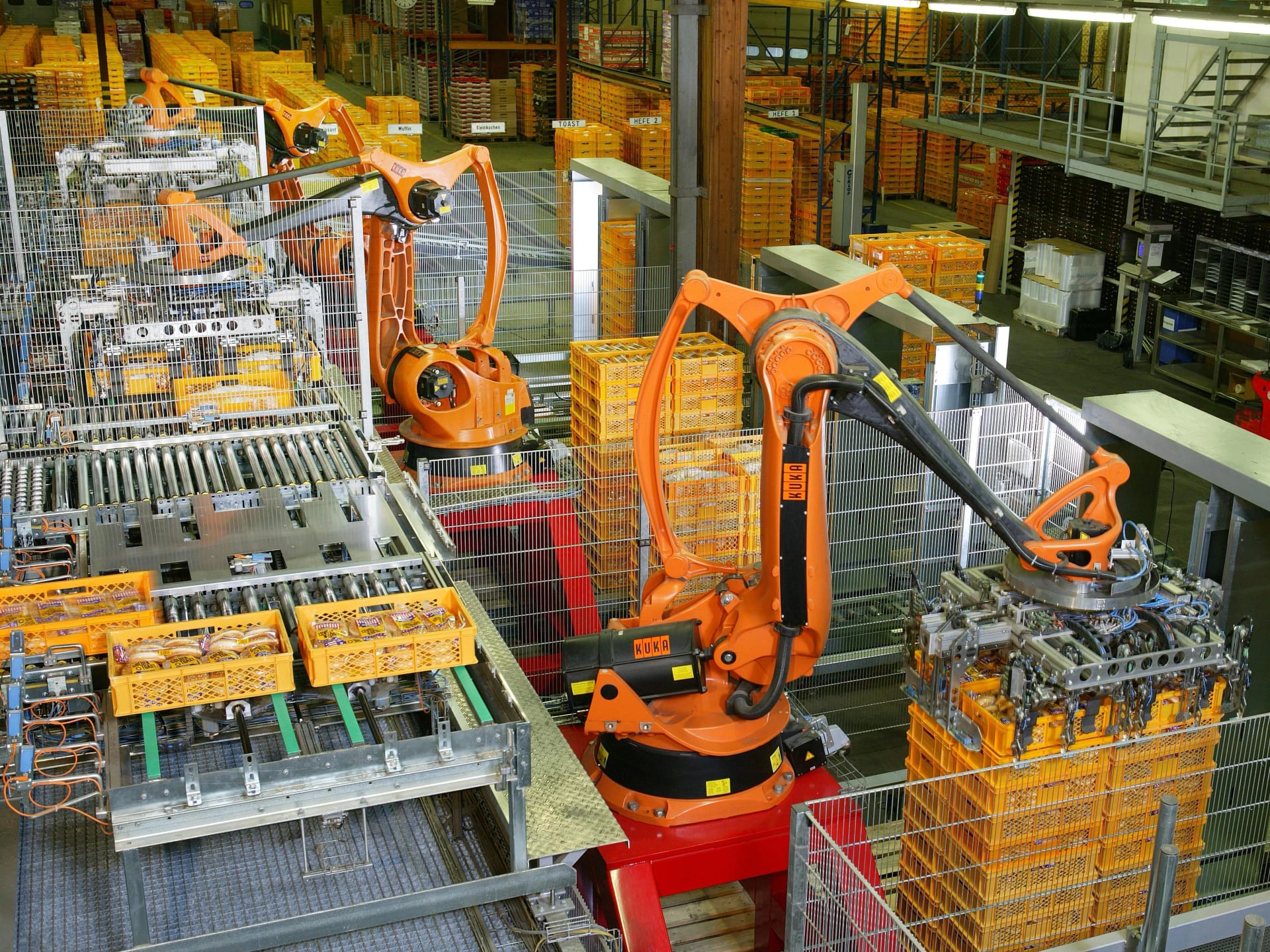
Brazil won the continuous casting race. It is not in the next one
In 1990, Brazil continuously cast 58% of its steel, against South Korea's 96%. Today it casts 99.6% — ahead of Korea. The gap closed and reversed. But when you look for Brazil in the table of the technology that defines today's industrial frontier, something other than being behind happens: it is not in the table.

The cushion is back — and industry is no longer under it
In 2025 Brazil exported a record US$348.7 billion, with record volumes of iron ore, soybeans and oil all at once. In the same country, manufacturing accounts for less than 11% of GDP. An LSE thesis explained how the wealth of the soil financed Brazil's factories. This investigation asks what happened to the plumbing between the two.
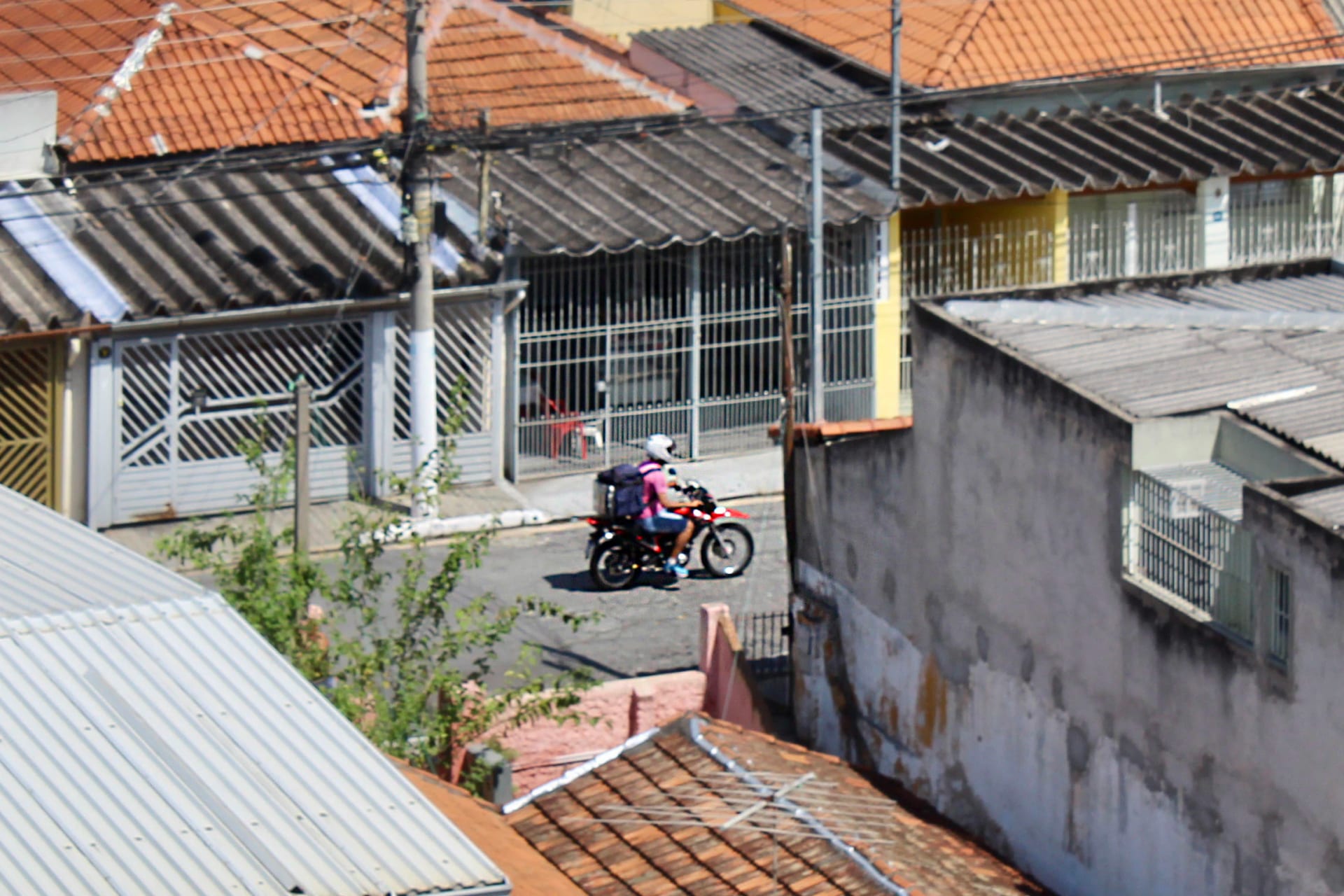
The protection that never reaches those who need it most
When South Korea democratized and built labor protection, in 1988, it designed a door with a specific measure: only firms with more than ten employees. Everyone below stayed outside. Brazil has an equivalent door — except it does not measure company size. It measures what the working relationship is called. And 38.5 million people are on the outside of it.
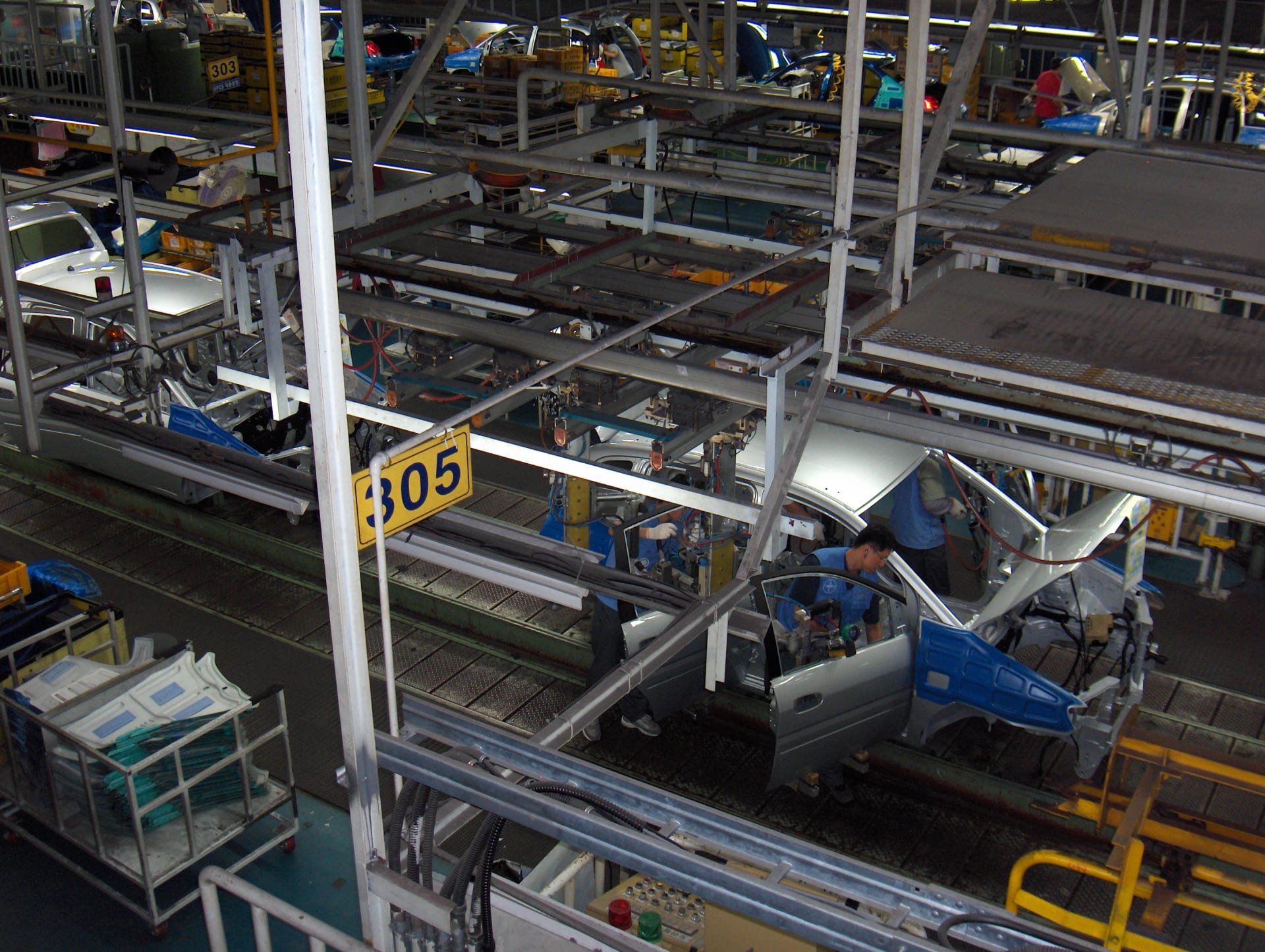
The carmaker far less efficient than Toyota — and far more profitable
Between 1985 and 1996, Hyundai posted a higher profit rate than Toyota — while being far less productive. A London School of Economics dissertation shows why this apparent absurdity is in fact the rule that organizes global industry — and why Brazil, with equally low wages, was left out.
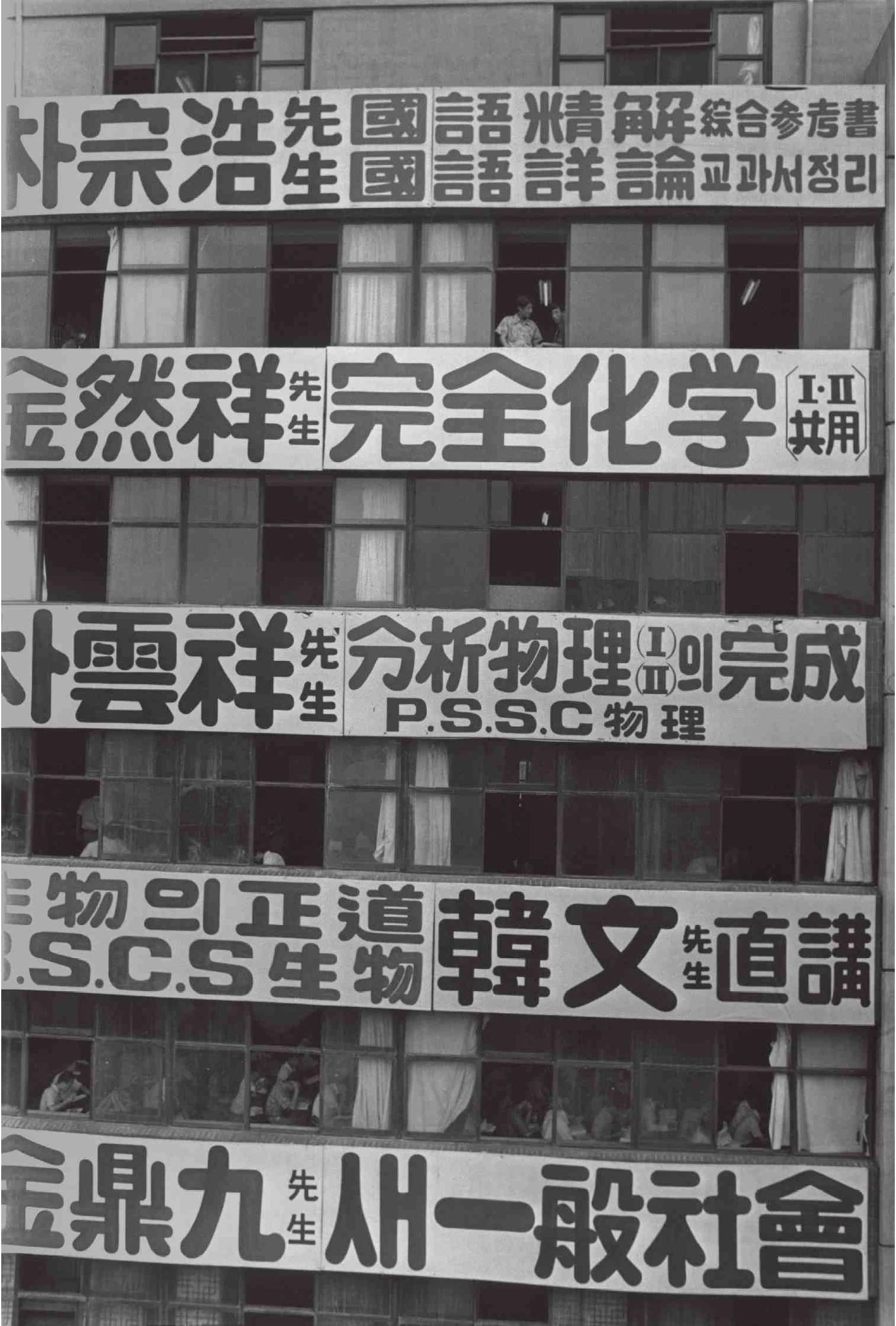
South Korea didn't get rich because it studied — it studied because it got rich
The most repeated explanation of the Korean miracle says it all began in the classroom. A London School of Economics thesis shows the order of events was the other way around: when Korea started exporting, its people had fewer years of schooling than Brazilians. What it had was something else — and the price showed up in the accident and mortality figures.

The Steel Mill the World Bank Said Should Not Exist
In 1968, South Korea decided to build a steel mill larger than its own market, against everyone's advice. Two decades later, POSCO was running at 99% of capacity while Brazil's state-owned mills lost money. An LSE dissertation shows where the real difference lay — and it was not managerial competence.
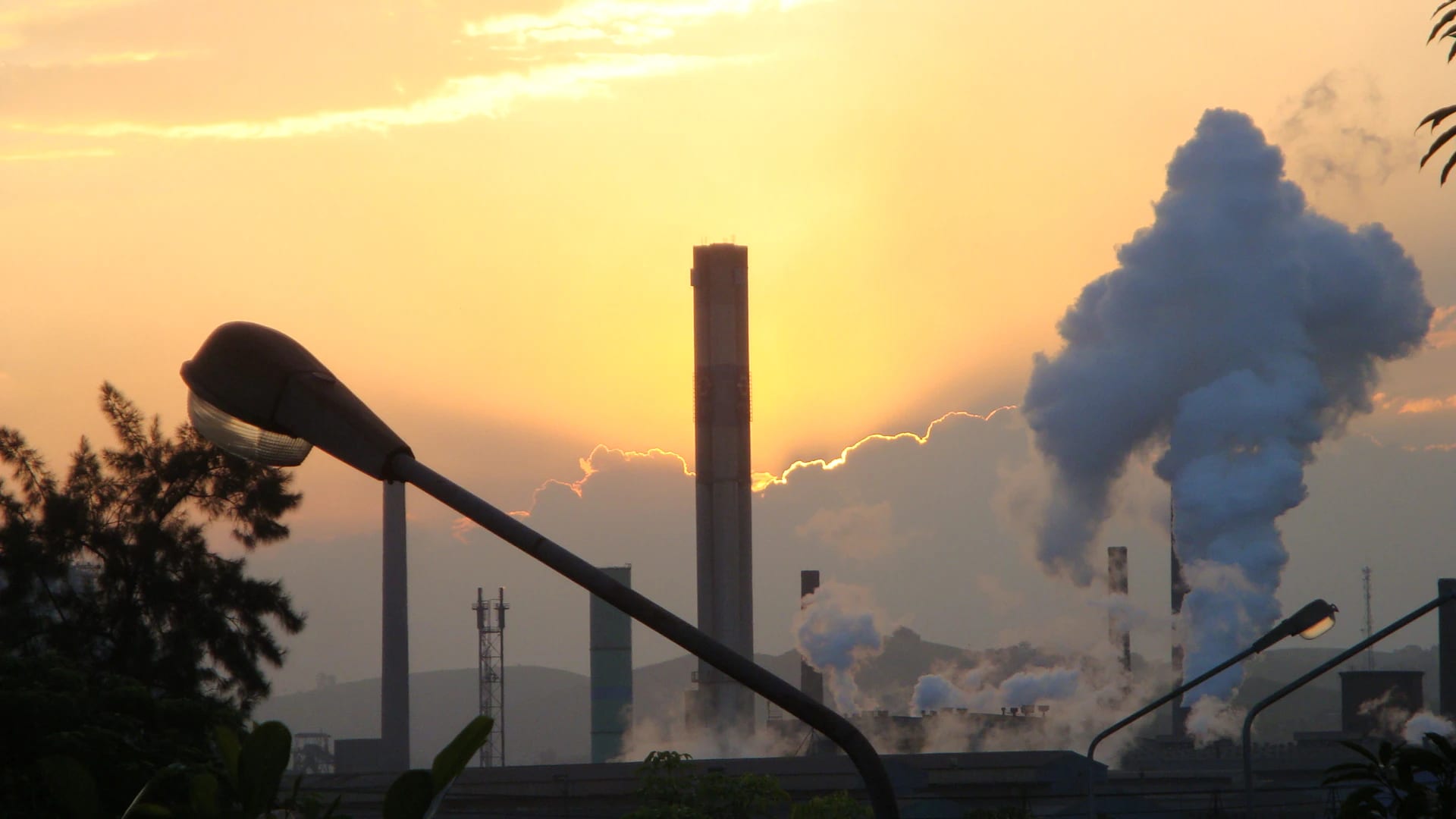
The Country That Profited Without Having to Compete
A London School of Economics thesis compares Brazil and South Korea across fifty years and reaches an uncomfortable explanation for the Brazilian puzzle: industry here was profitable without being efficient because it lived off a slice of the wealth of the soil. Without competing, there was no reason to learn how to compete.
Fundamentals
Complex academic, scientific and intellectual knowledge turned into accessible reading.

Why the best technology usually loses
The Math Nobody Does: Why 'Buy 3, Pay 2' Convinces Even With a Small Discount
Why the Producer Sells Raw Material and the Consumer Buys Meaning
If Gold Were Wealth, Spain Would Have Been the Richest Country in History
Economy
Why the best technology usually loses
The Math Nobody Does: Why 'Buy 3, Pay 2' Convinces Even With a Small Discount
Why the Producer Sells Raw Material and the Consumer Buys Meaning
If Gold Were Wealth, Spain Would Have Been the Richest Country in History
Agribusiness
Why the best technology usually loses
Why the Producer Sells Raw Material and the Consumer Buys Meaning
The cushion is back — and industry is no longer under it
Explore by topic
13 articles · 3 topics