Brazilian biomes · a documentary crossing
Amazon (Amazônia)
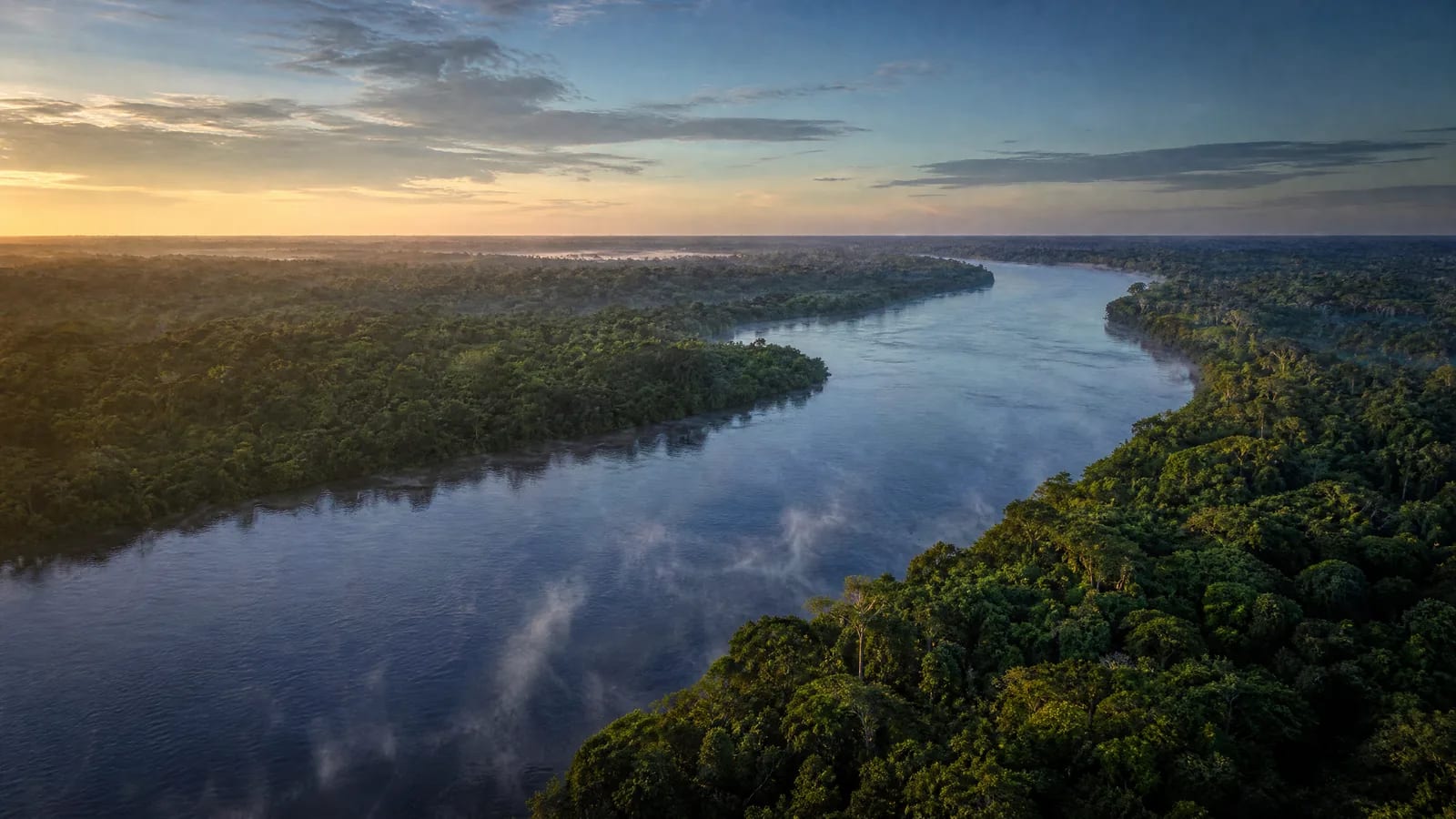
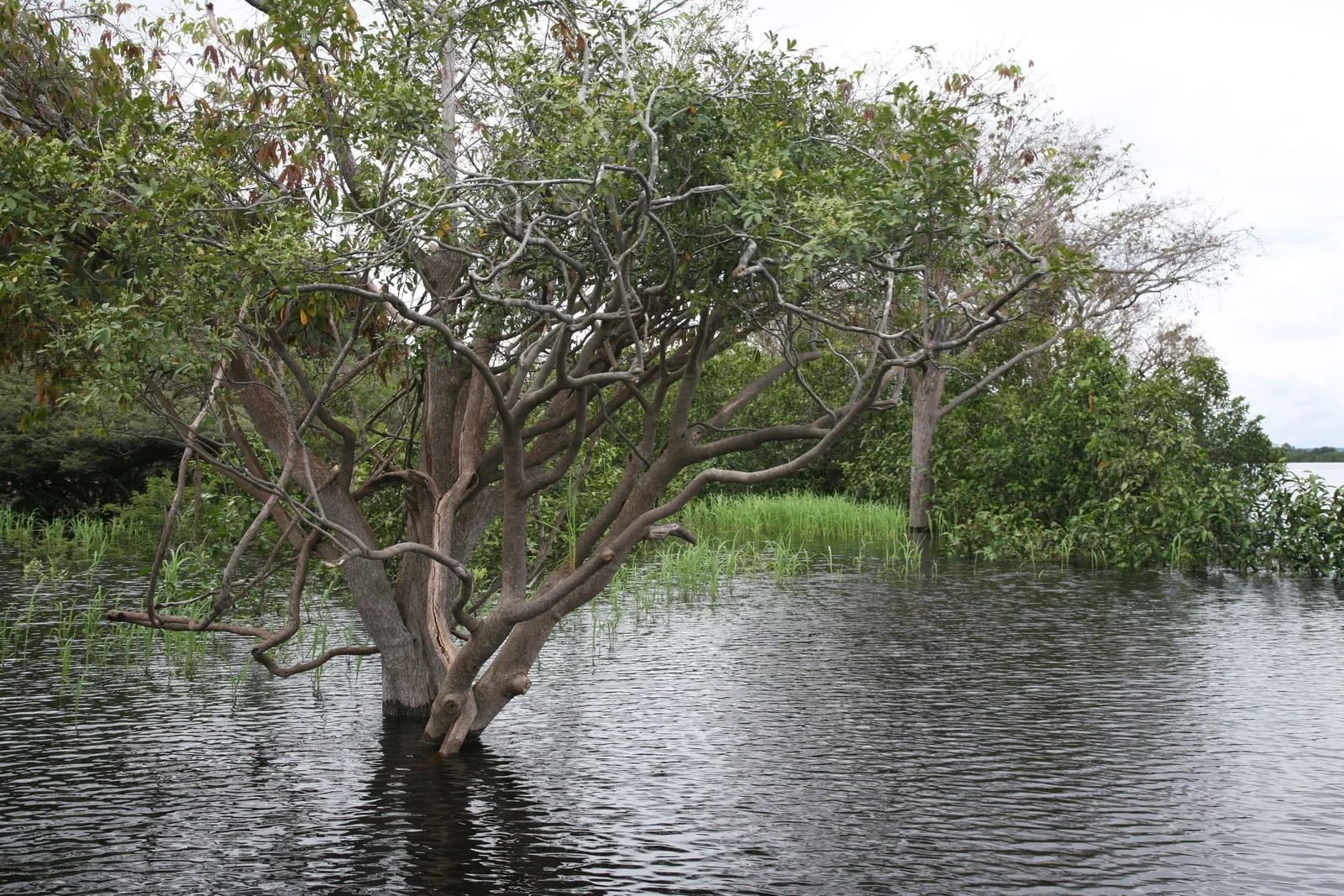
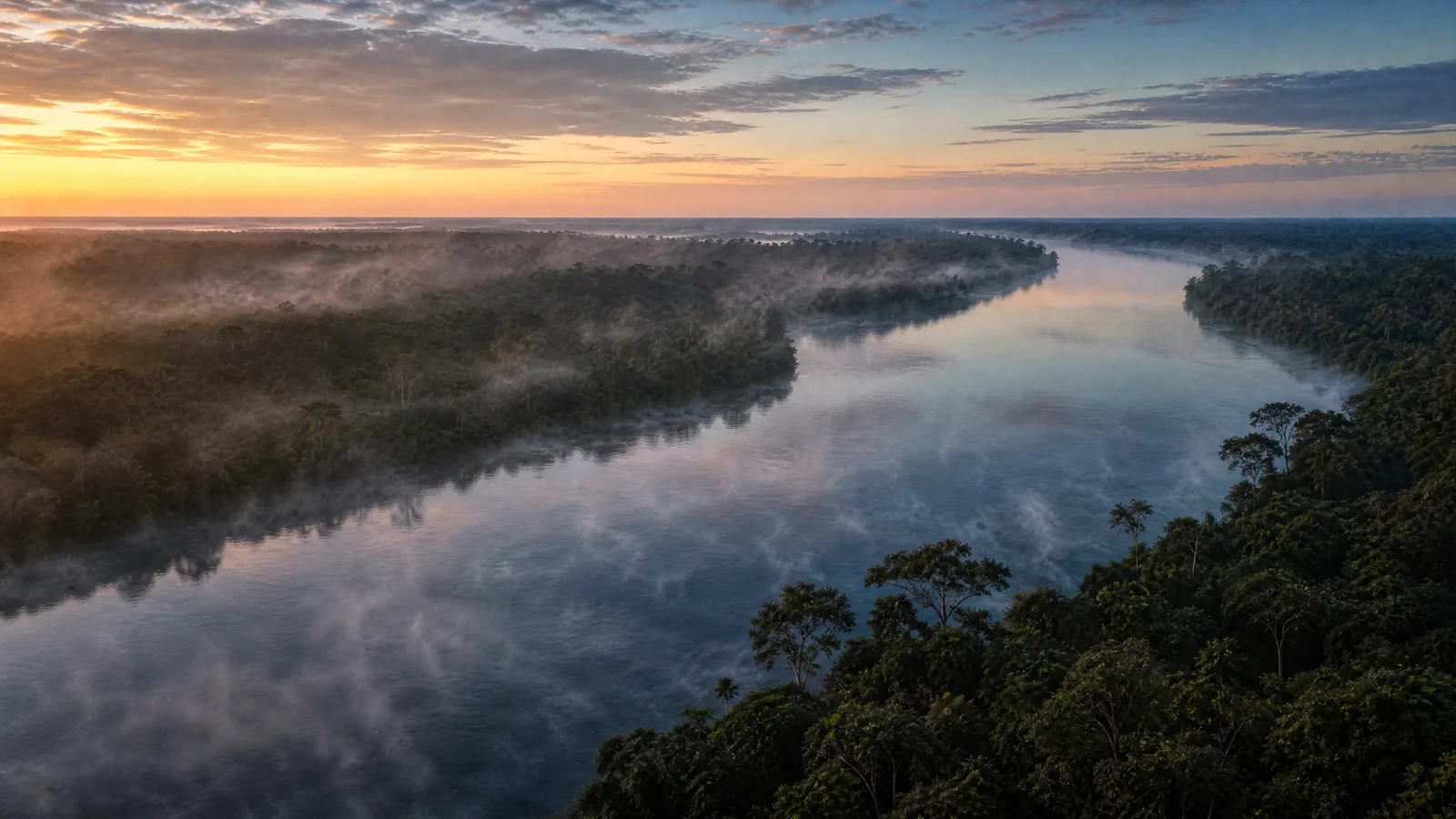
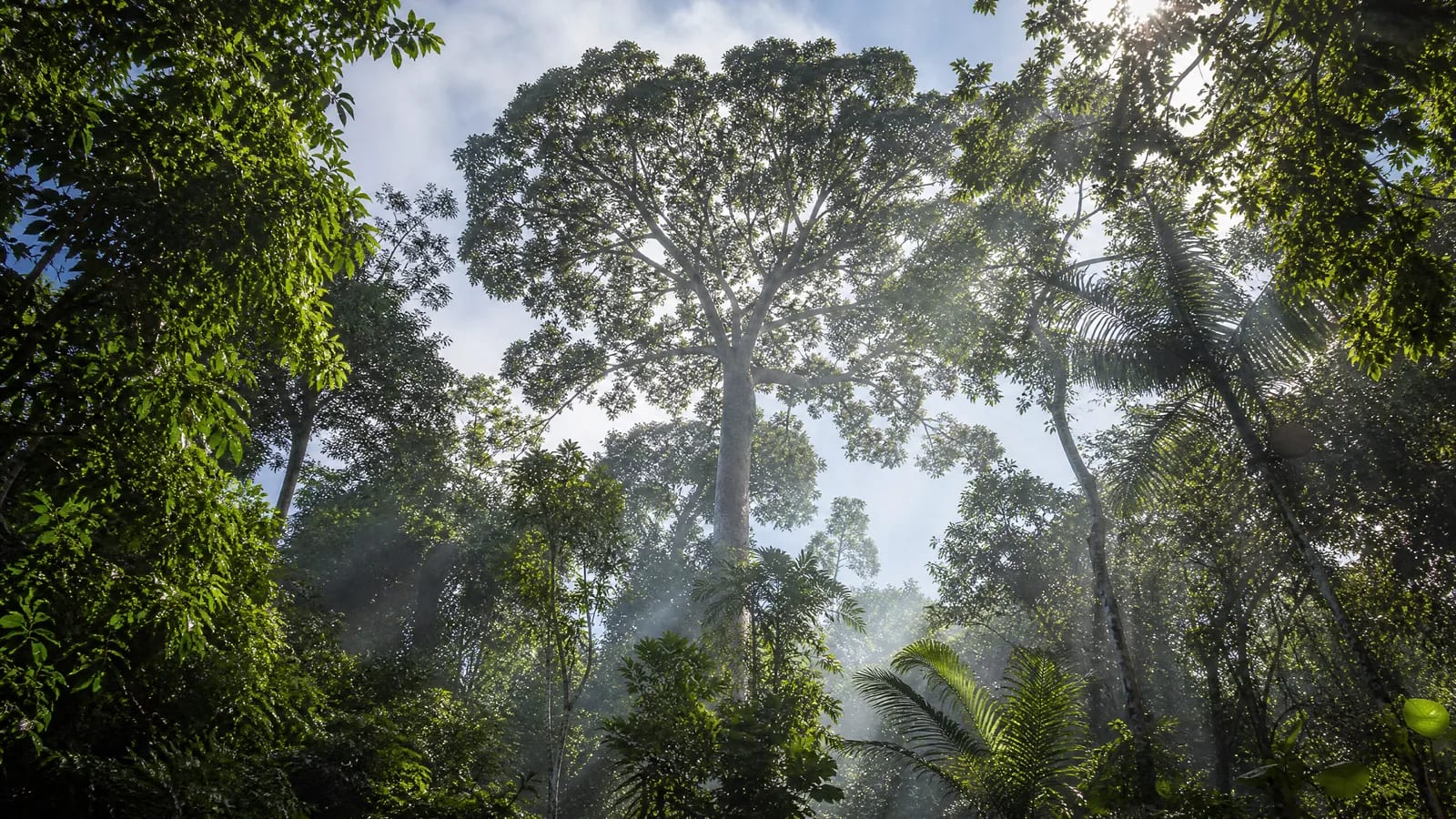
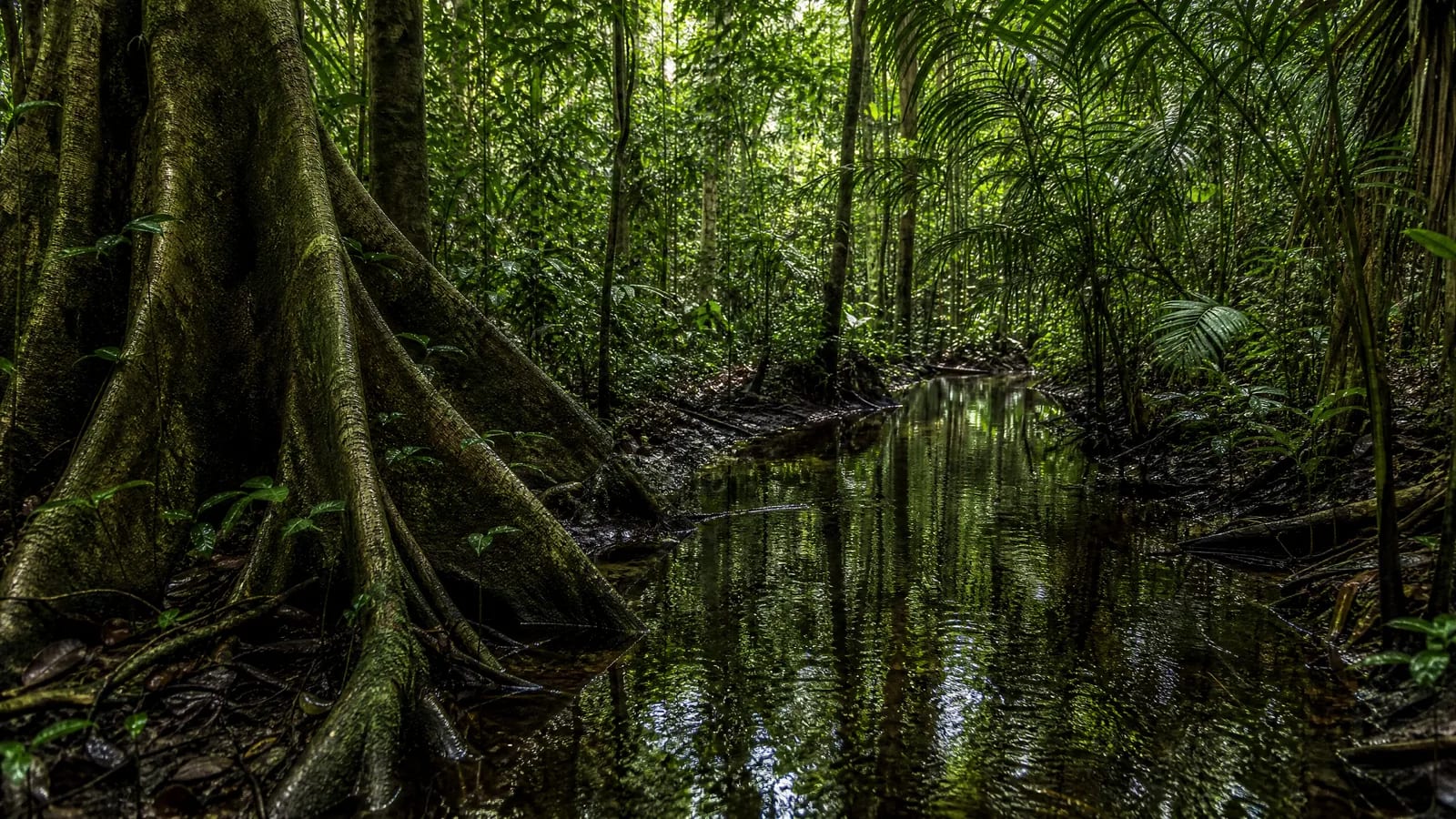
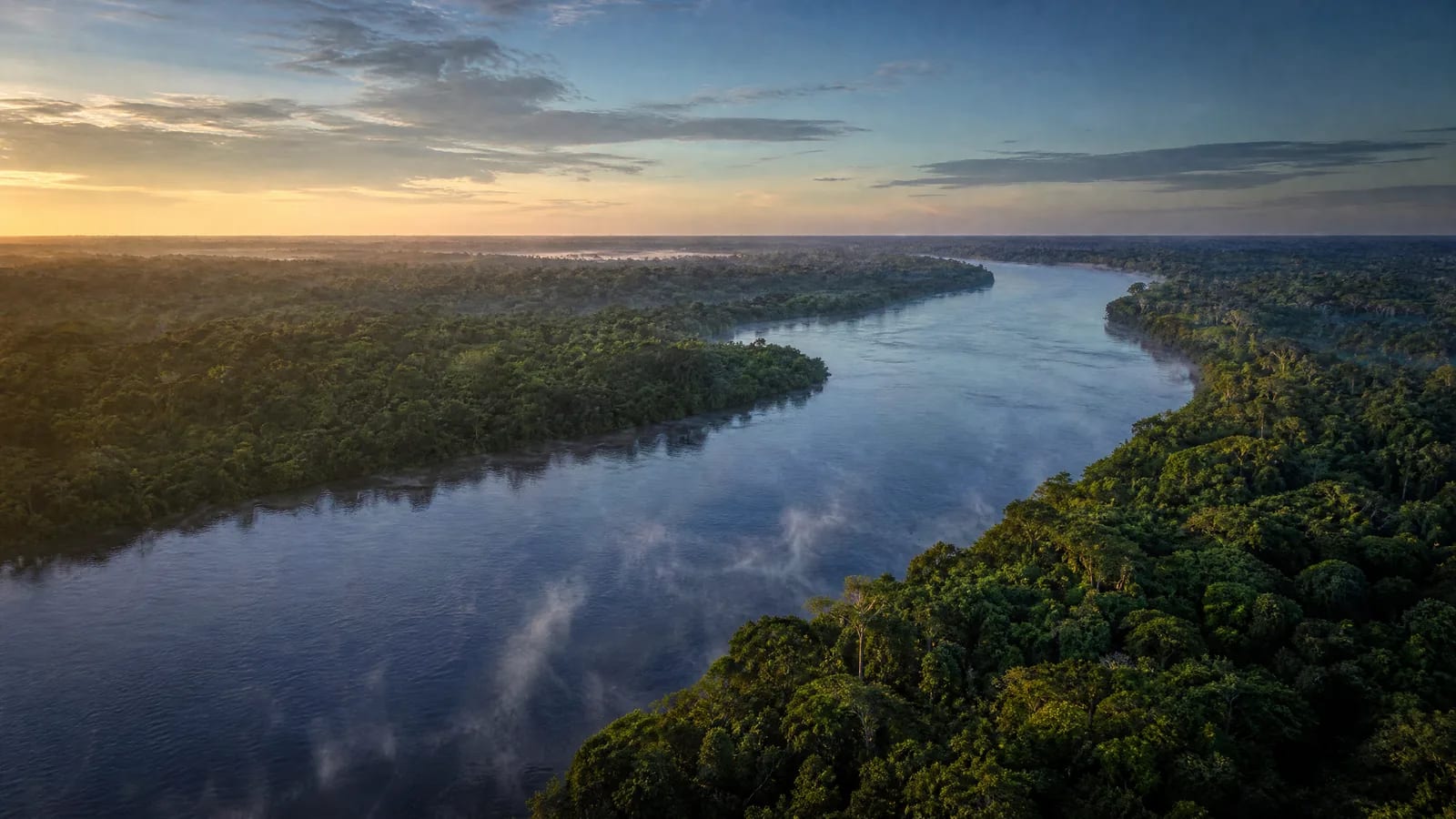
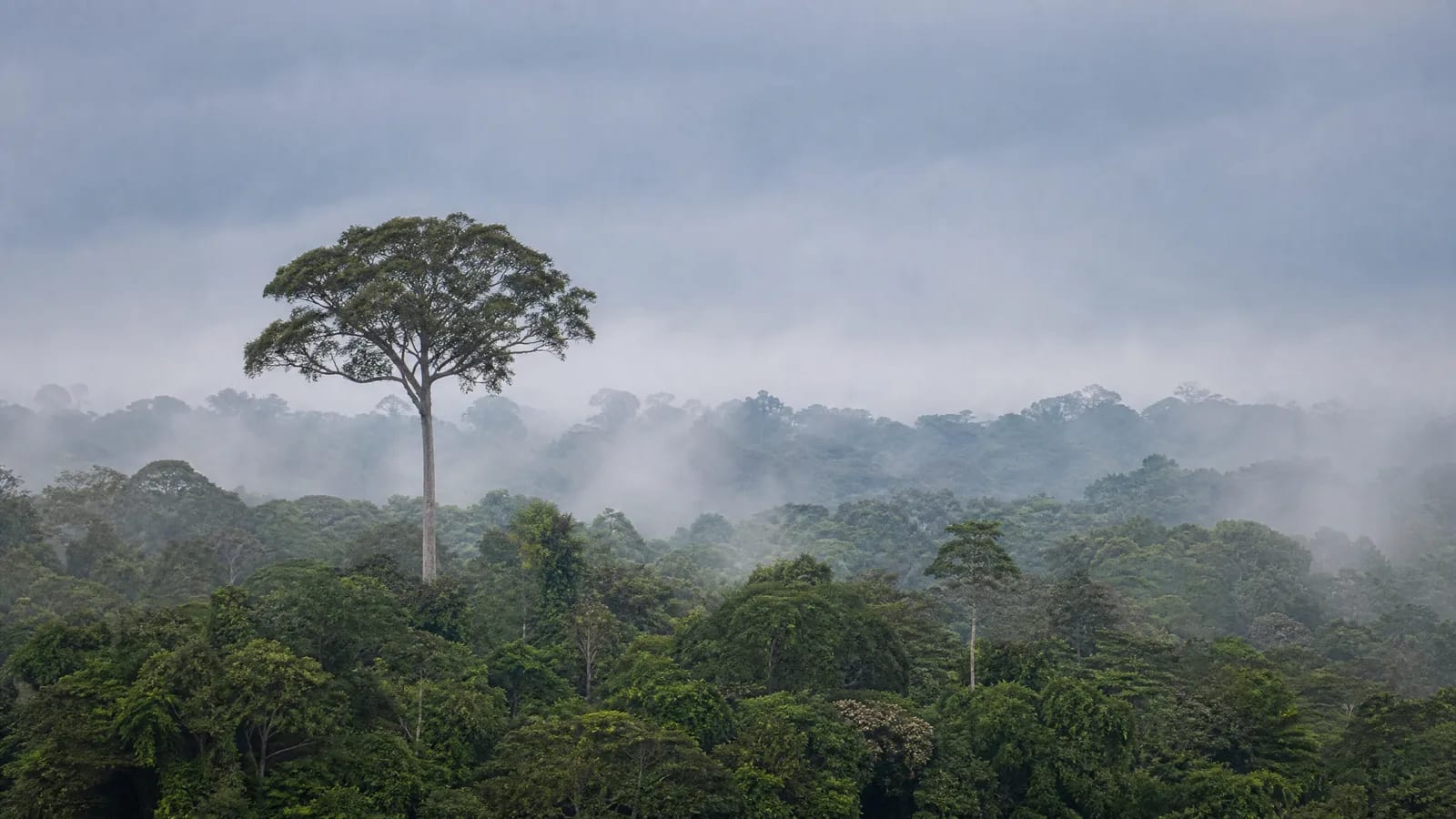
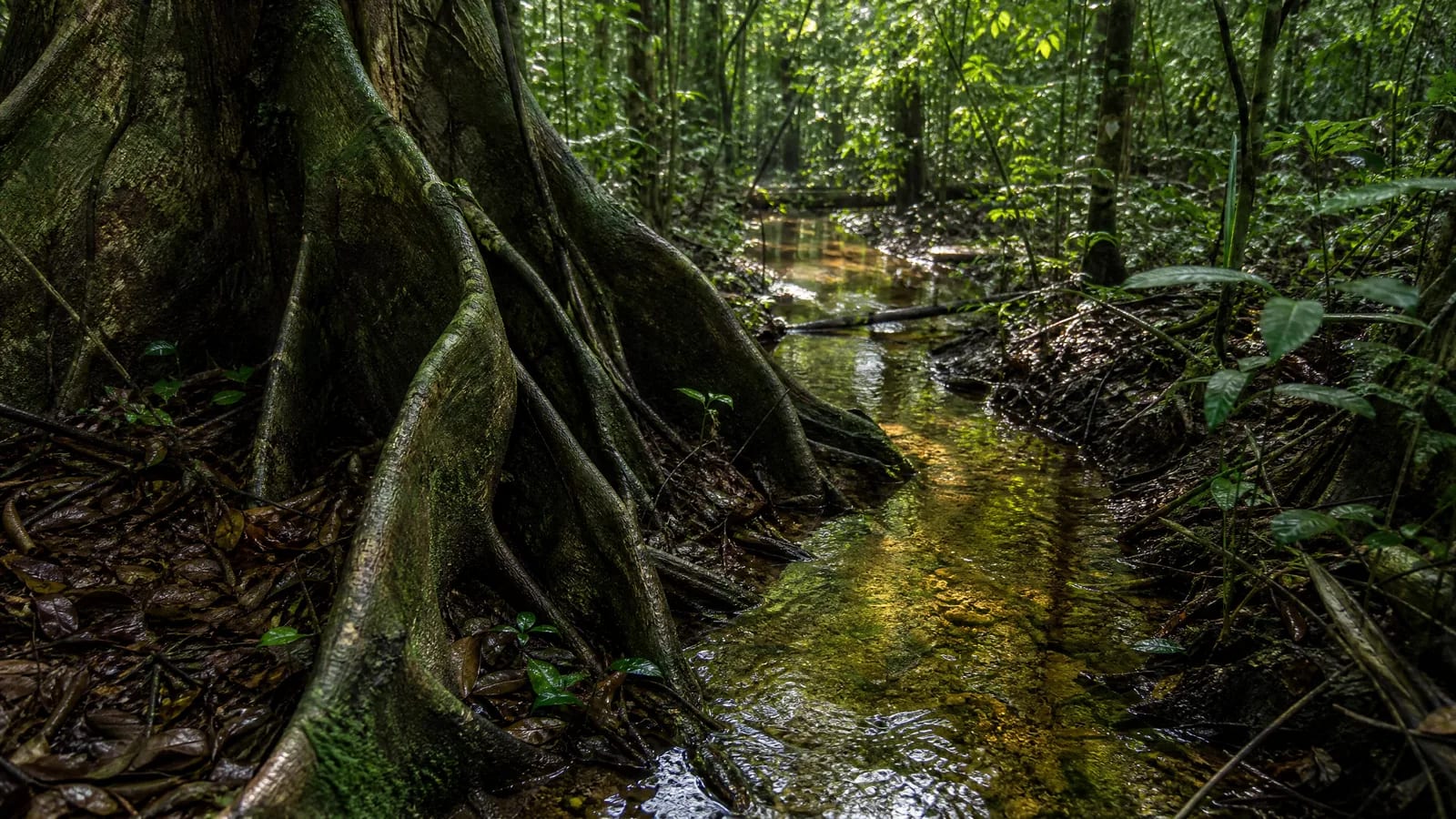
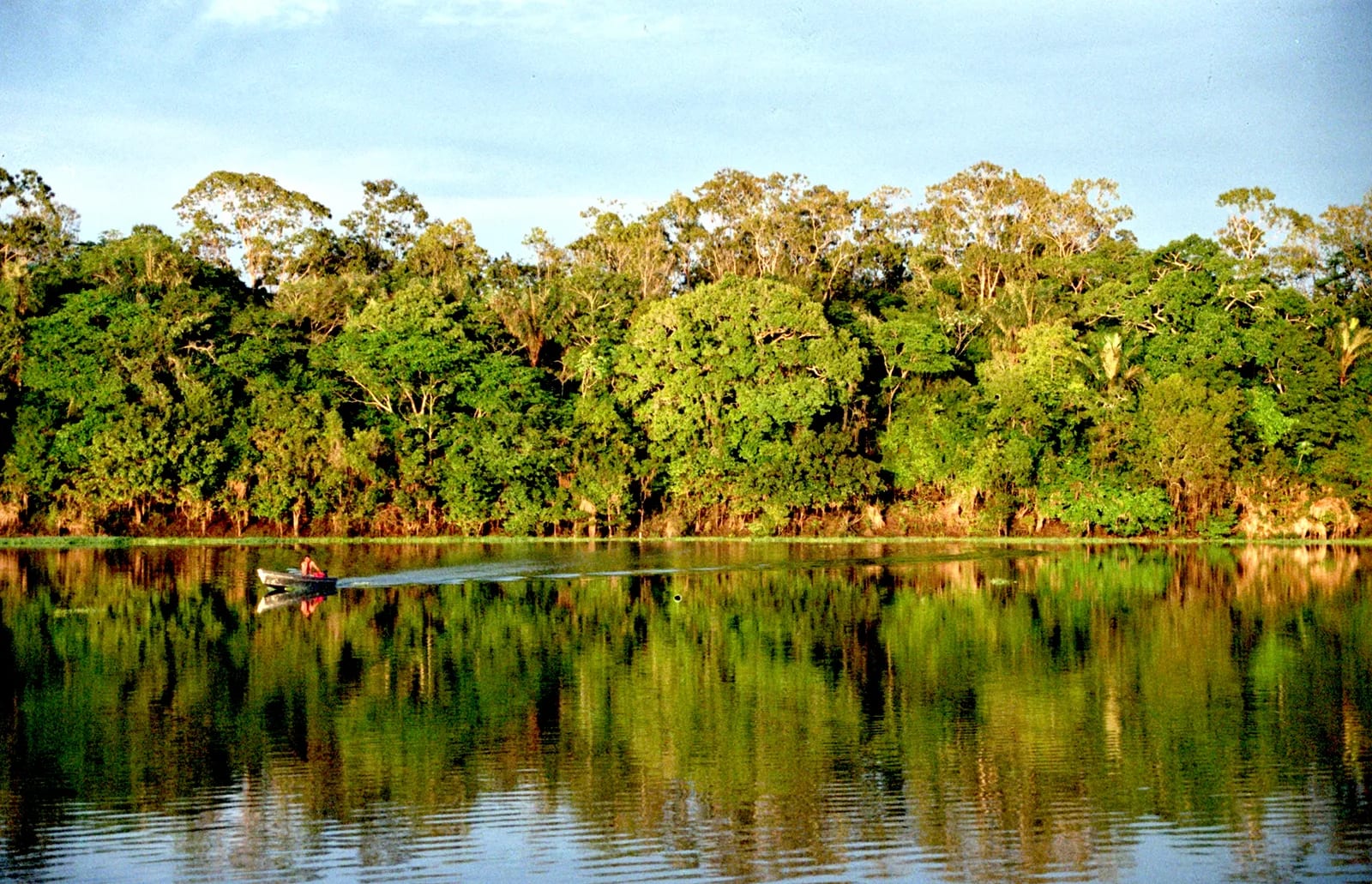
In the Amazon, the forest extends into the river's mist, into the floodplain (várzea) that changes with the high water, into the damp soil and into the silence interrupted by a falling tree. Rivers, canopies and clearings form a landscape that is shelter, passage, food and circulation.
A landscape of approach
To arrive is to enter a territory where water, road and trail obey the flood, the dry season and the concrete limits of everyday life.
I · Many worlds in a single biome
The landscape is not an empty space between two extremes.
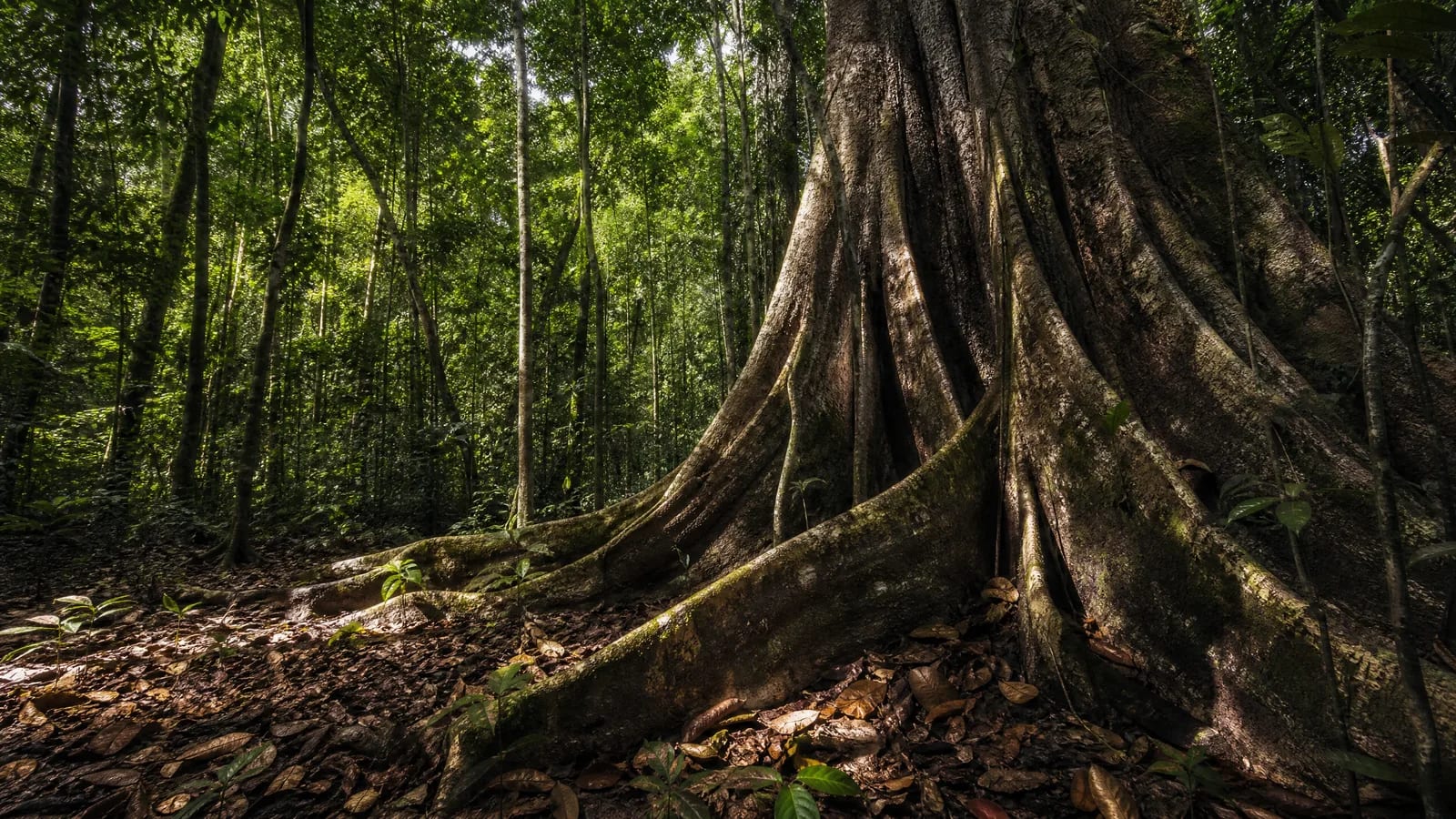
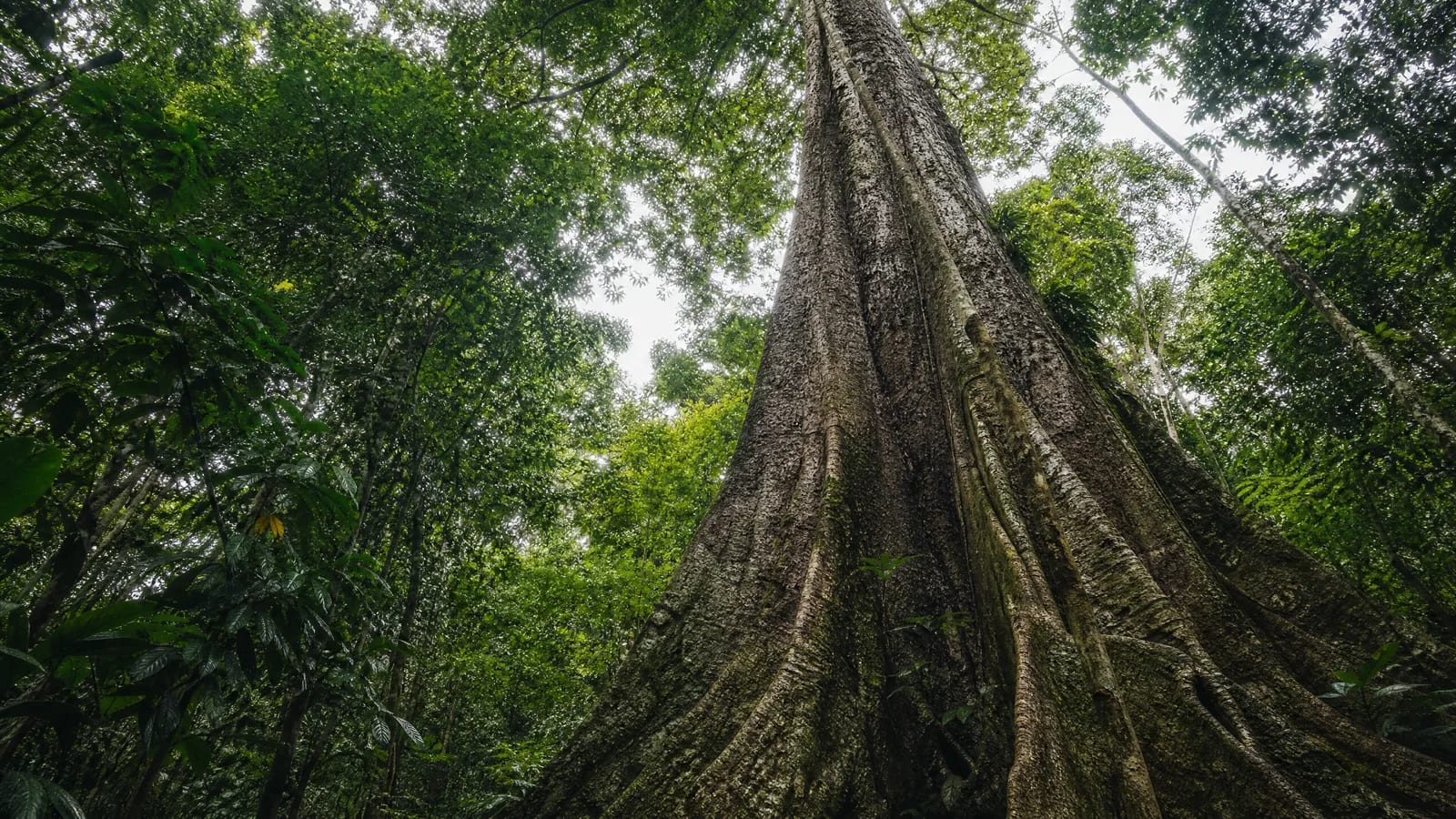
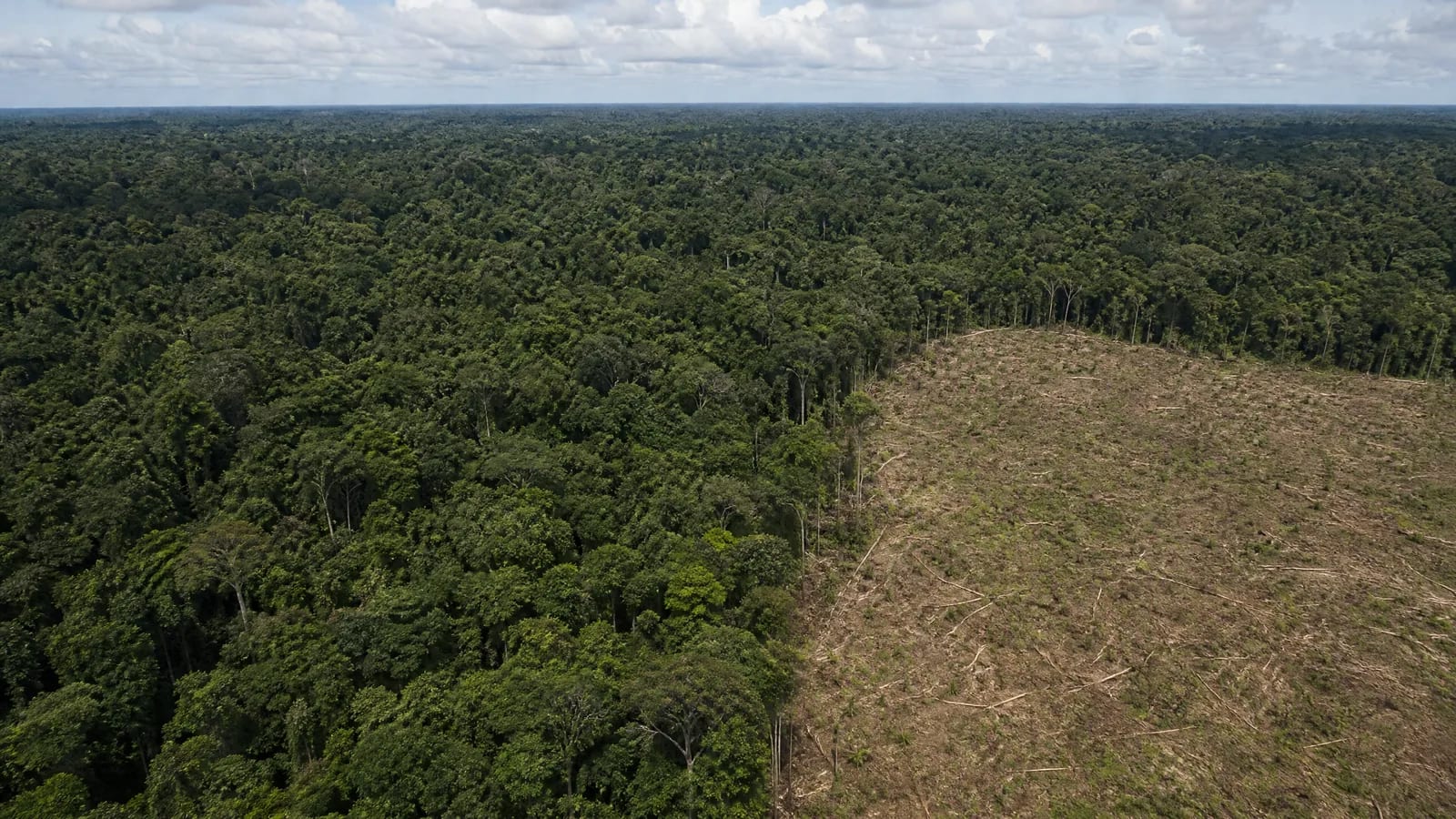
The forest is not a single commodity: it brings together species, territories and relationships. Ipê and cumaru have high commercial value and appear in high-end decking and furniture, but their ecological importance predates the market. Between August 2022 and July 2023, Simex recorded 366 thousand hectares exploited for timber; 65% appeared lawful in the cross-check between authorizations and imagery, while 35% had no identified permit. The data requires distinguishing document, location and execution.
A crossing in images
II · Water, soil and time
The cycle is not a backdrop: it organizes life.
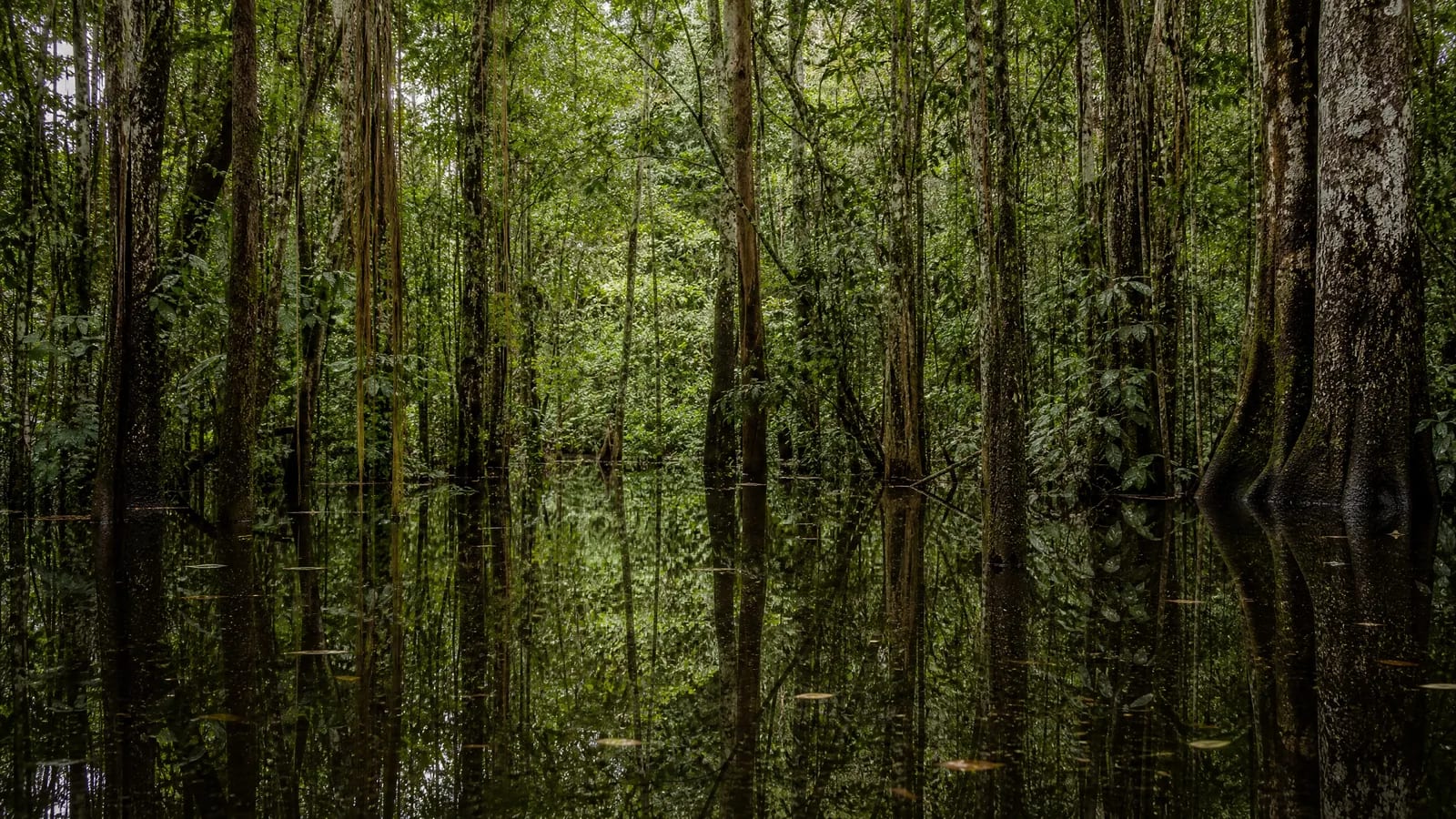
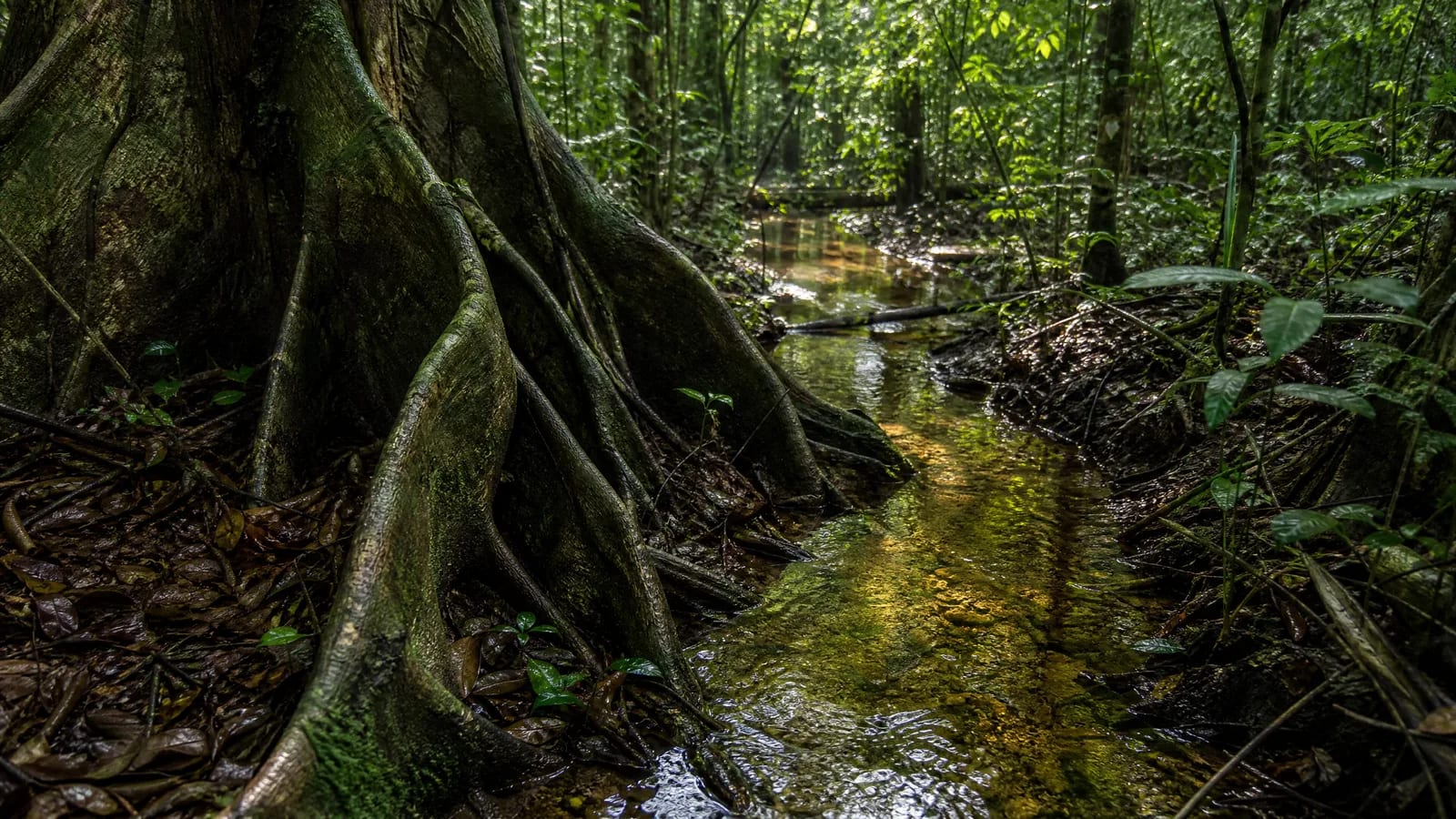
Water connects rain, canopy, soil, igarapé (igarapé) and river. Floodplains (várzeas) follow the pulse of flood and ebb; the forest is not separate from this cycle. Cutting opens clearings and alters routes, but the assembled evidence does not measure the cause of every hydrological change. The verifiable question is whether oversight confirms the product's true origin before it leaves the harvesting area.
III · Work, production and knowledge
A landscape also sustains people.
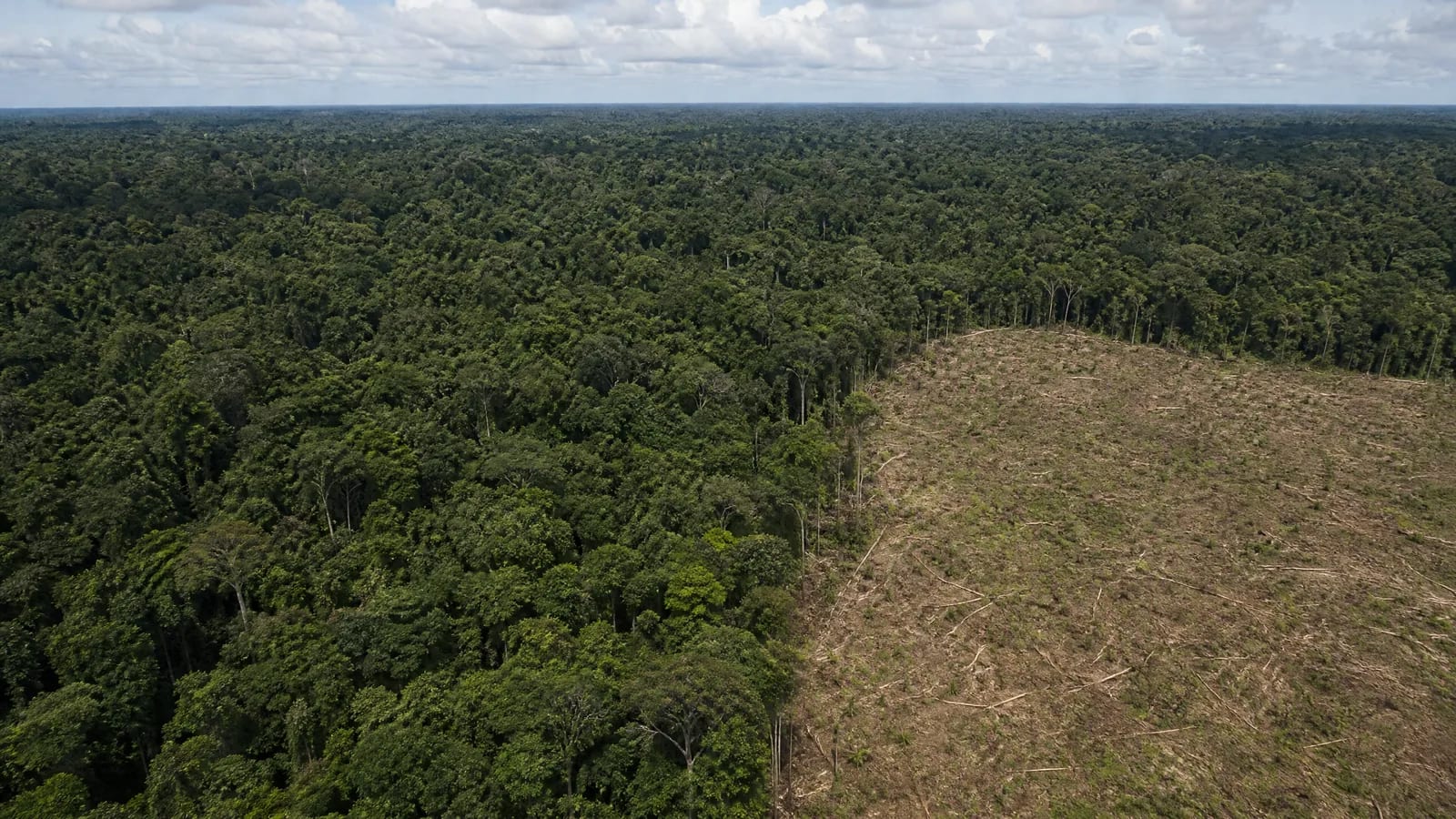
There are people, knowledges and production in the forest, including legal management and concessions. The issue is to separate these practices from flows that use an appearance of regularity. Simex mapped 126 thousand hectares of illegal extraction in the period analyzed, an increase of 19% over the previous cycle; 71% occurred on private properties and 16% on Indigenous Lands. DOF+ became mandatory to transport and store native products, but earlier authorizations remain in the legacy system. Traceability must indicate stage, verification and outcome.
IV · Choices before the showcase
To produce is to choose what the landscape will have to bear.
Each board results from decisions about species, area, route, paperwork, buyer and oversight. The high value of the wood should raise the demand for proof of origin. The existence of a market or an overseas product, however, does not prove illegality nor make every consumer complicit.
V · When the conversation comes from afar
The chain does not end at the border.
Brazil requires traceability, and the European Union states it requires due diligence to reduce the risk of illegal timber. Still, an EIA investigation reported by Reuters traced about 53 thousand cubic meters to four areas in Pará with sanctions, embargoes or other irregularities, linking the flow to exporters and importers in the United States and Europe. The inquiry cited 19 sawmills, 16 exporters, 30 importers and nearly 2,000 shipments. These are investigative allegations, not convictions. The question remains: when the code travels better than the on-site verification of origin, who is accountable? 3 4
The question that remains
The verifiable problem is not the absence of rules, but the distance between a formally regulated chain and effective proof that the timber came from a legal area.
VI · The limit of inference
Criticism only holds when it does not exceed the evidence.
The case does not measure all international illegality, does not prove the rules' total failure, nor does it accuse every operator, luxury product or consumer. It also does not allow treating authorized exploitation as sustainable in a broad sense, or the entire Amazon (Amazônia) as synonymous with timber.
VII · What remains
A landscape that asks for more than a ready-made opinion.
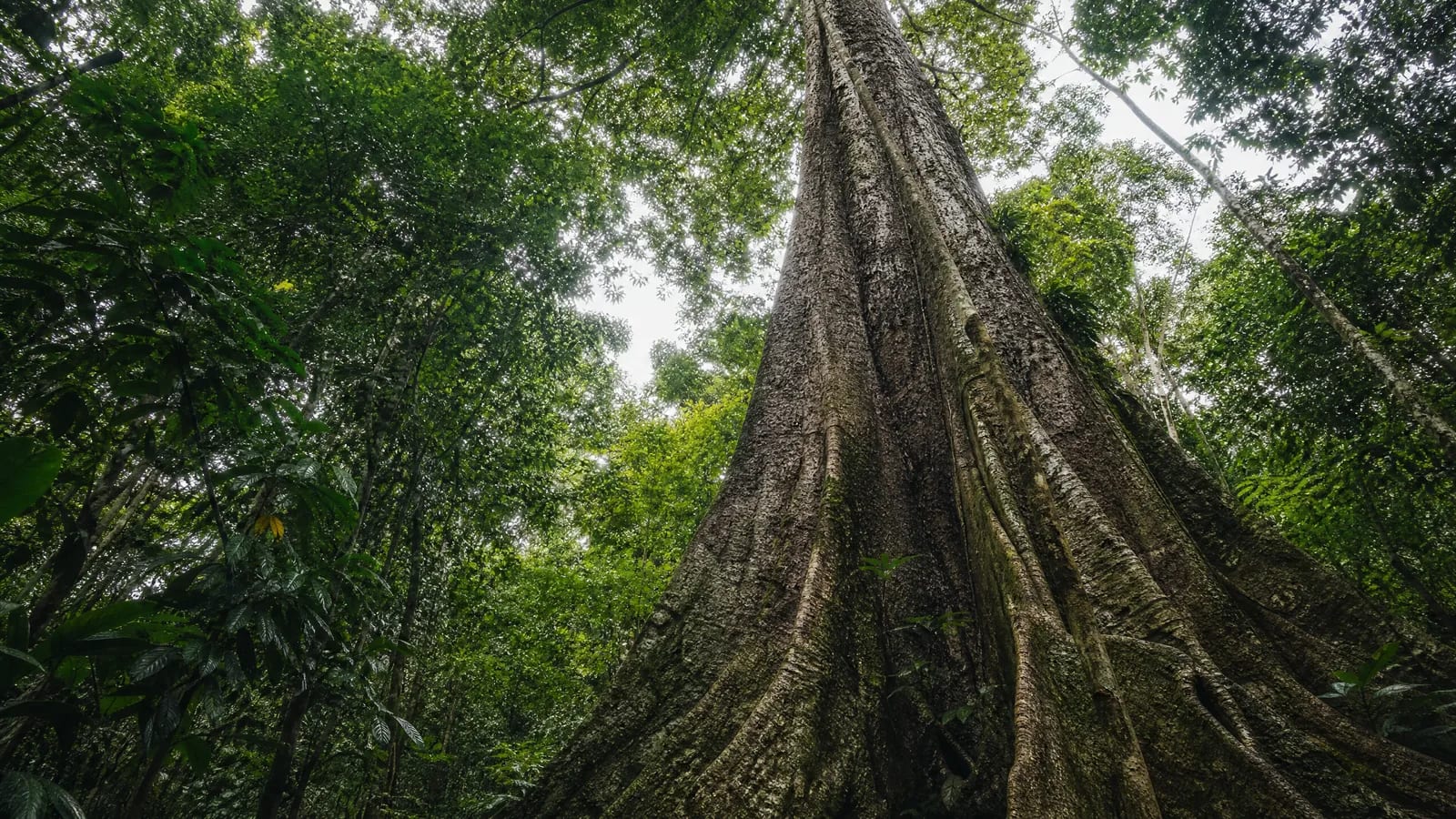
Between the floodplain (várzea) and the foreign deck there is a chain of decisions. Proof must begin at the tree, the area and the declared volume, before the documentation crosses borders. Recognizing the forest as a living system requires precision about the flows that extract value from it.
After the evidence
Between the floodplain (várzea) and the foreign deck there is a chain of decisions. Proof must begin at the tree, the area and the declared volume, before the documentation crosses borders. Recognizing the forest as a living system requires precision about the flows that extract value from it.
Looking through to the end is also a way of caring.
Between the floodplain (várzea) and the foreign deck there is a chain of decisions. Proof must begin at the tree, the area and the declared volume, before the documentation crosses borders. Recognizing the forest as a living system requires precision about the flows that extract value from it.
📚 References
- 1.Imazon. "Illegal timber extraction increased 19% in the Amazon"
- 2.Imazon/Simex. "Timber Exploitation Monitoring System in the Amazon — August 2022 to July 2023"
- 3.Reuters. "Illegal luxury timber from Brazil’s COP state makes its way to US and Europe, investigation finds"
- 4.Environmental Investigation Agency. "Tricks, Traders and Trees"
- 5.Ibama. "DOF+ Traceability"
- 6.Comissão Europeia. "EU rules against illegal logging"
- 7.Comissão Europeia. "Regulation on Deforestation-free Products"