Brazilian Biomes · a documentary crossing
Caatinga (Caatinga)
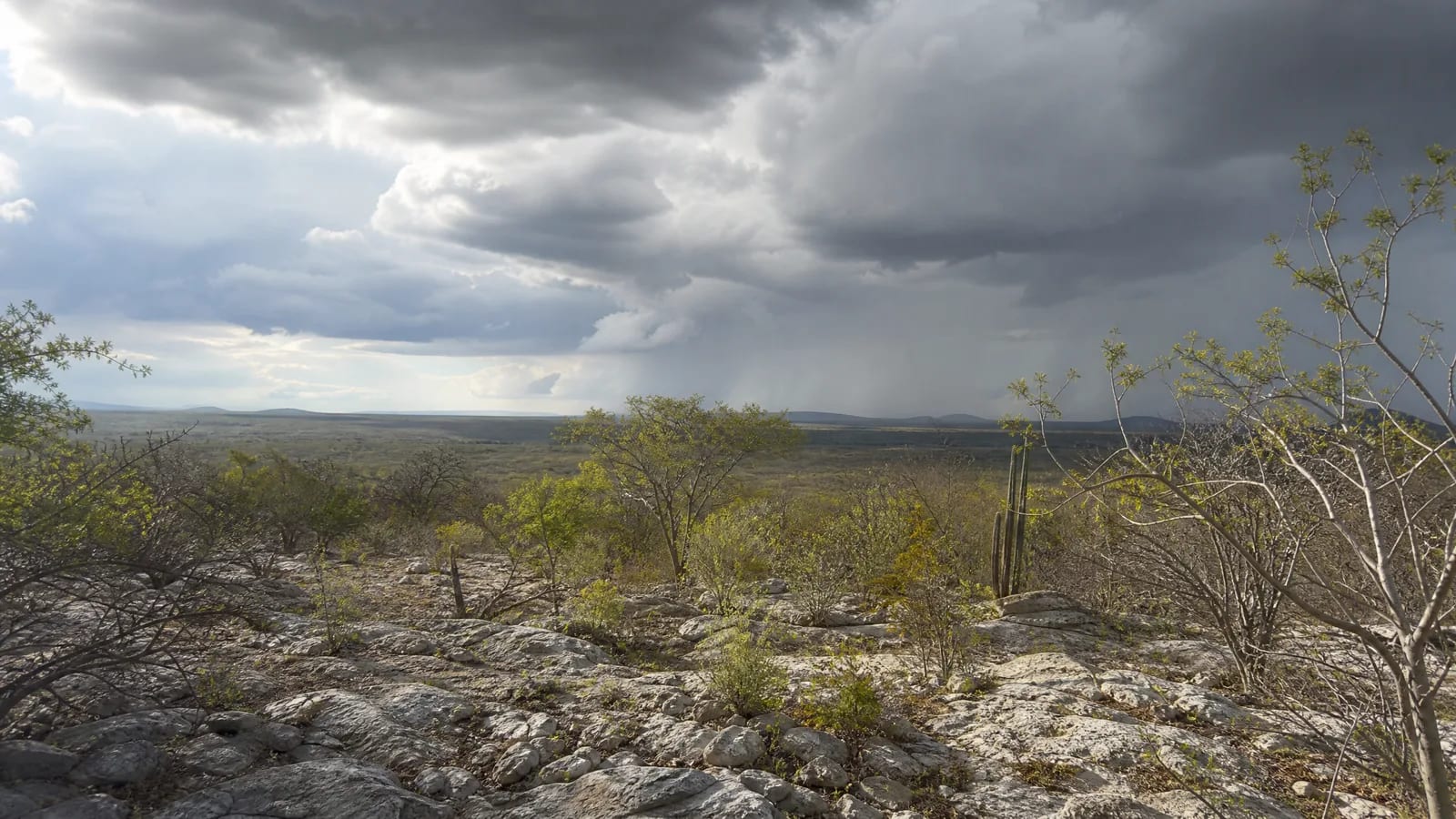
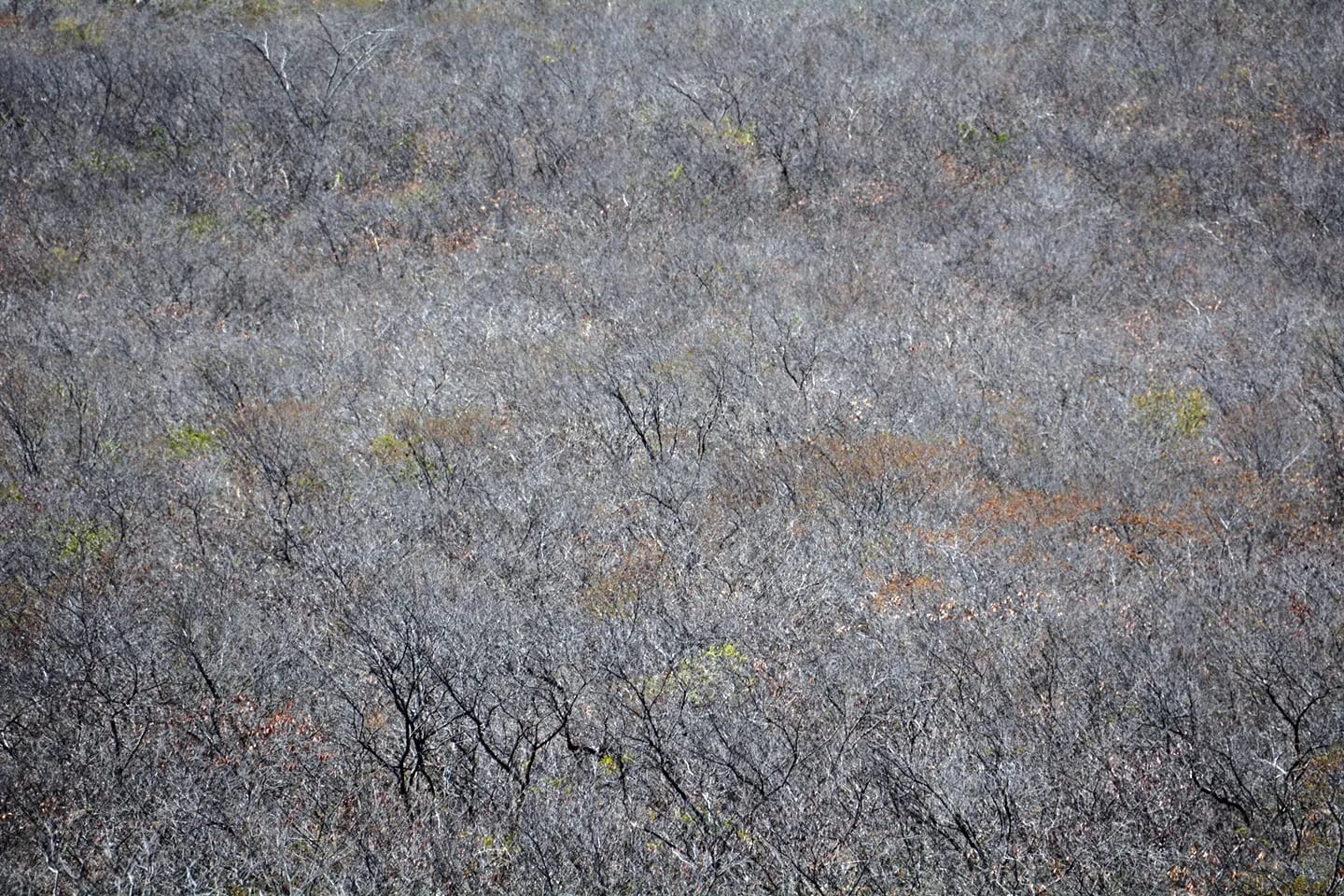
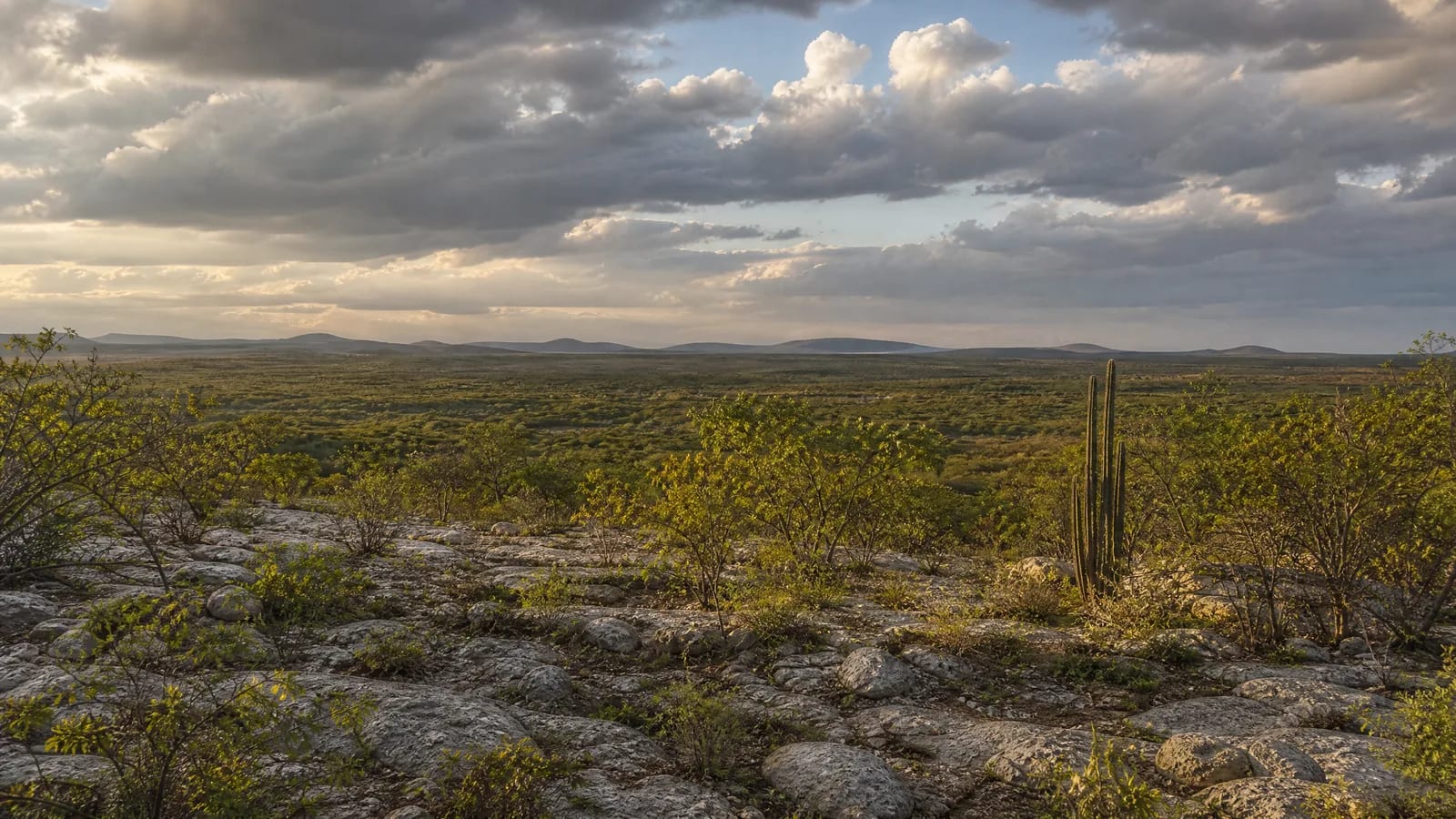
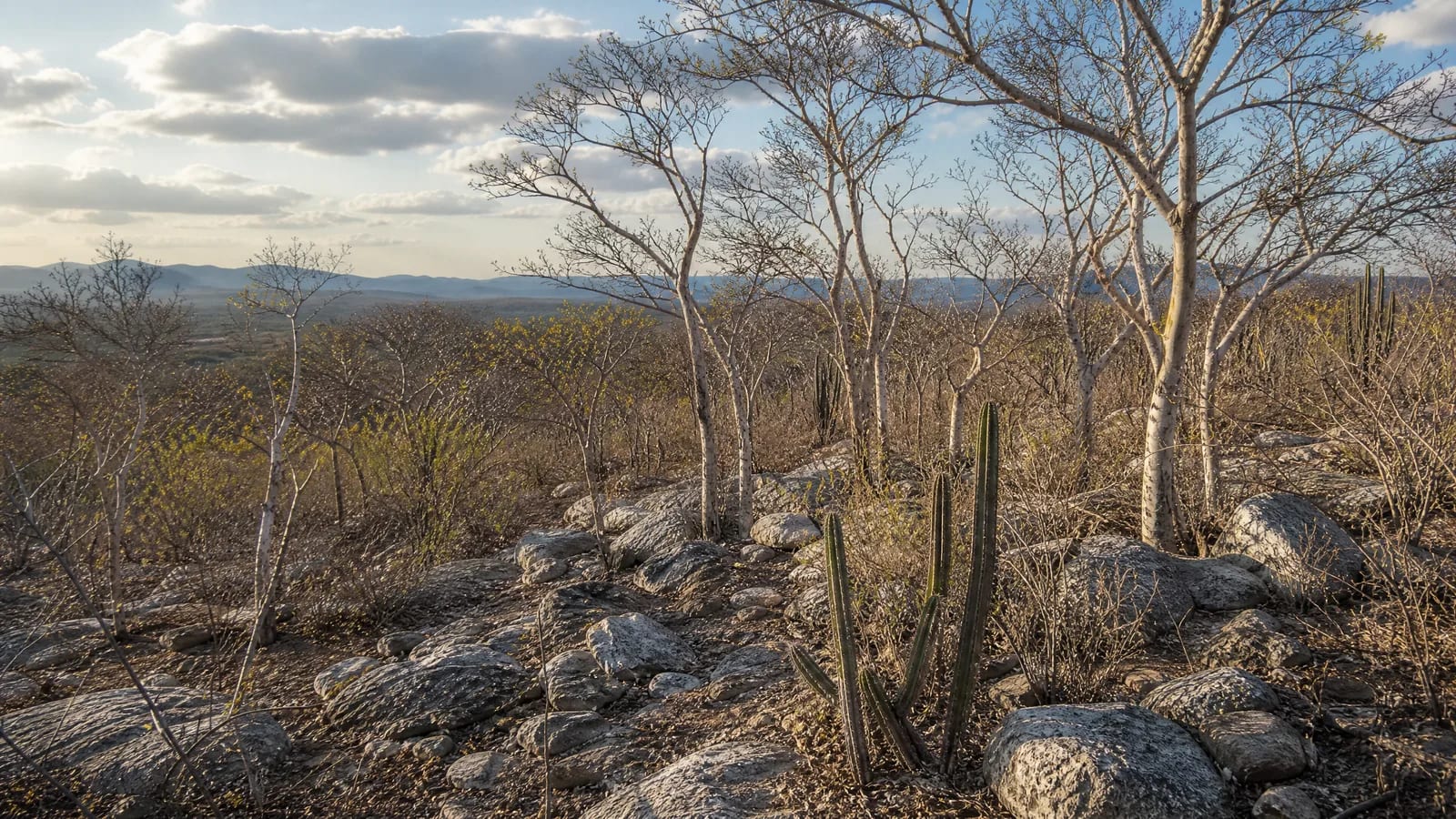
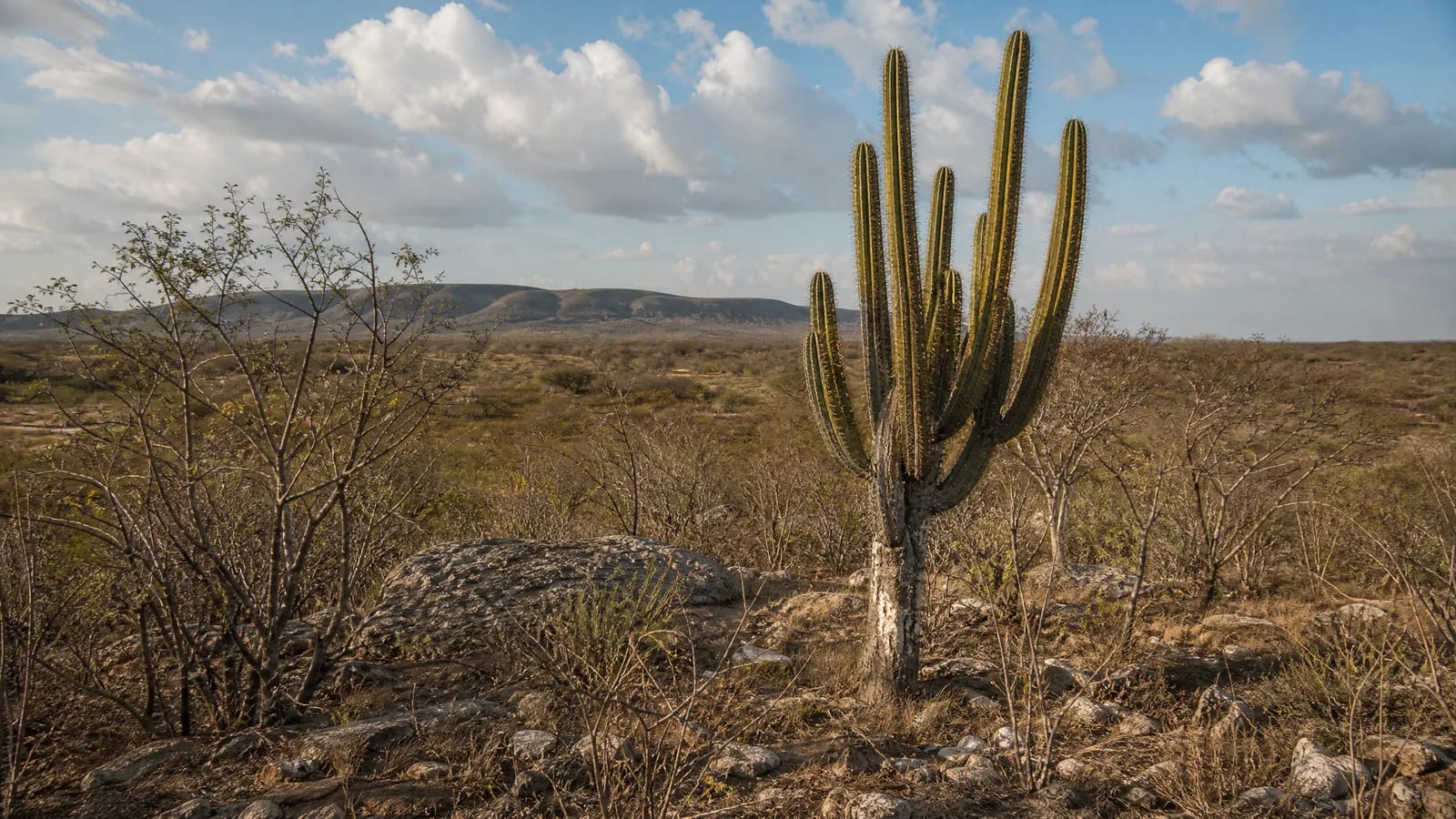
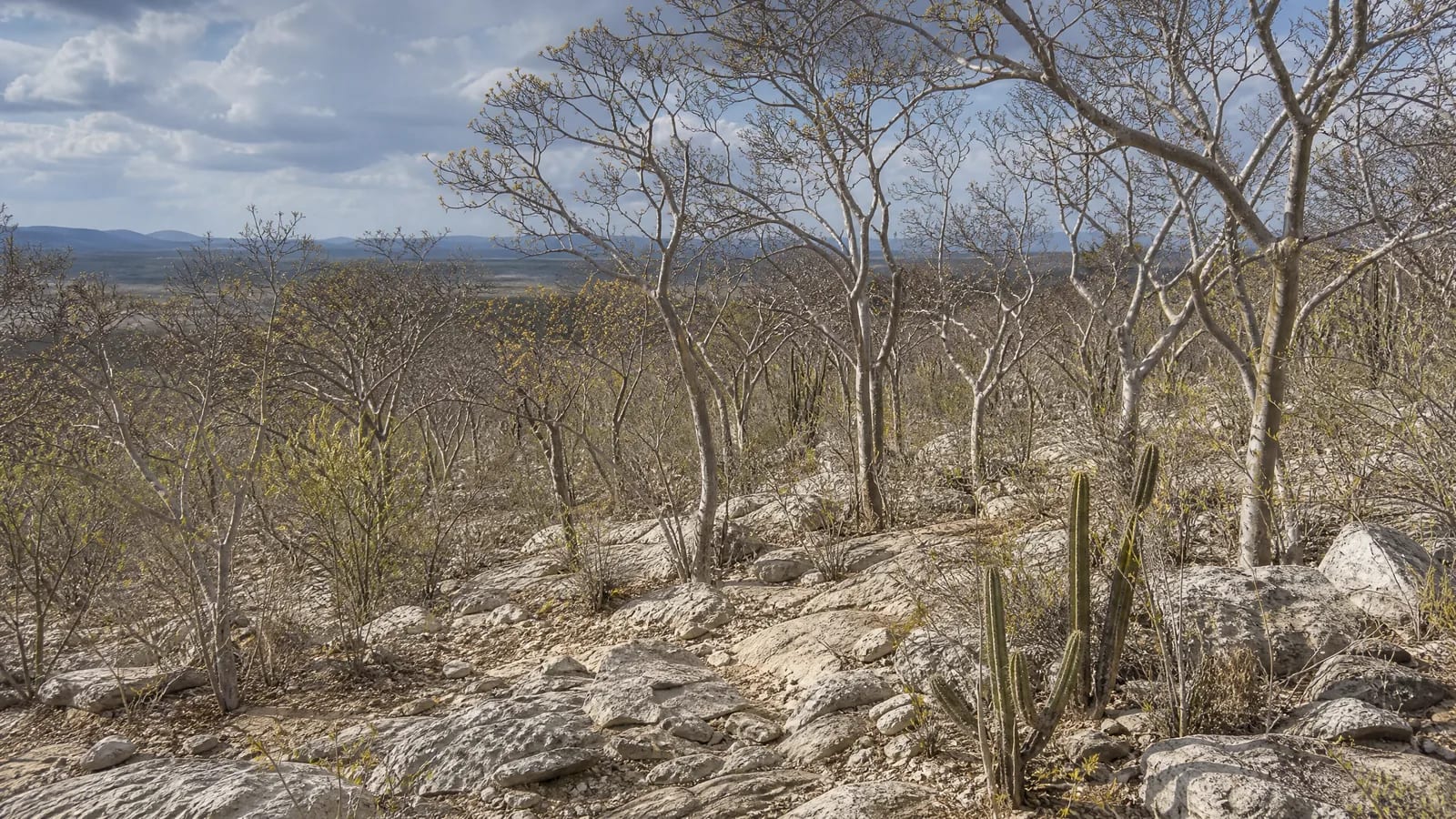
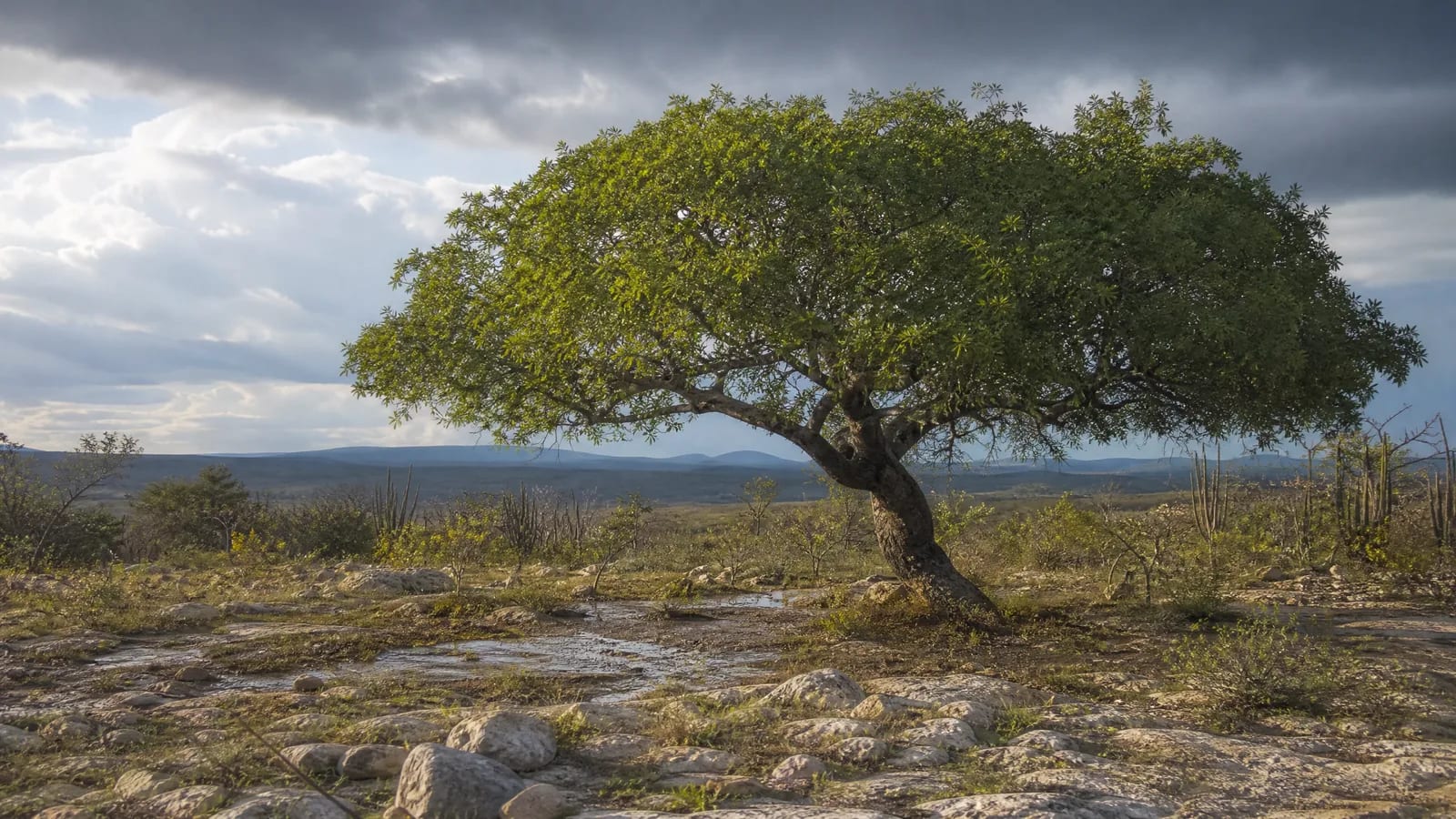
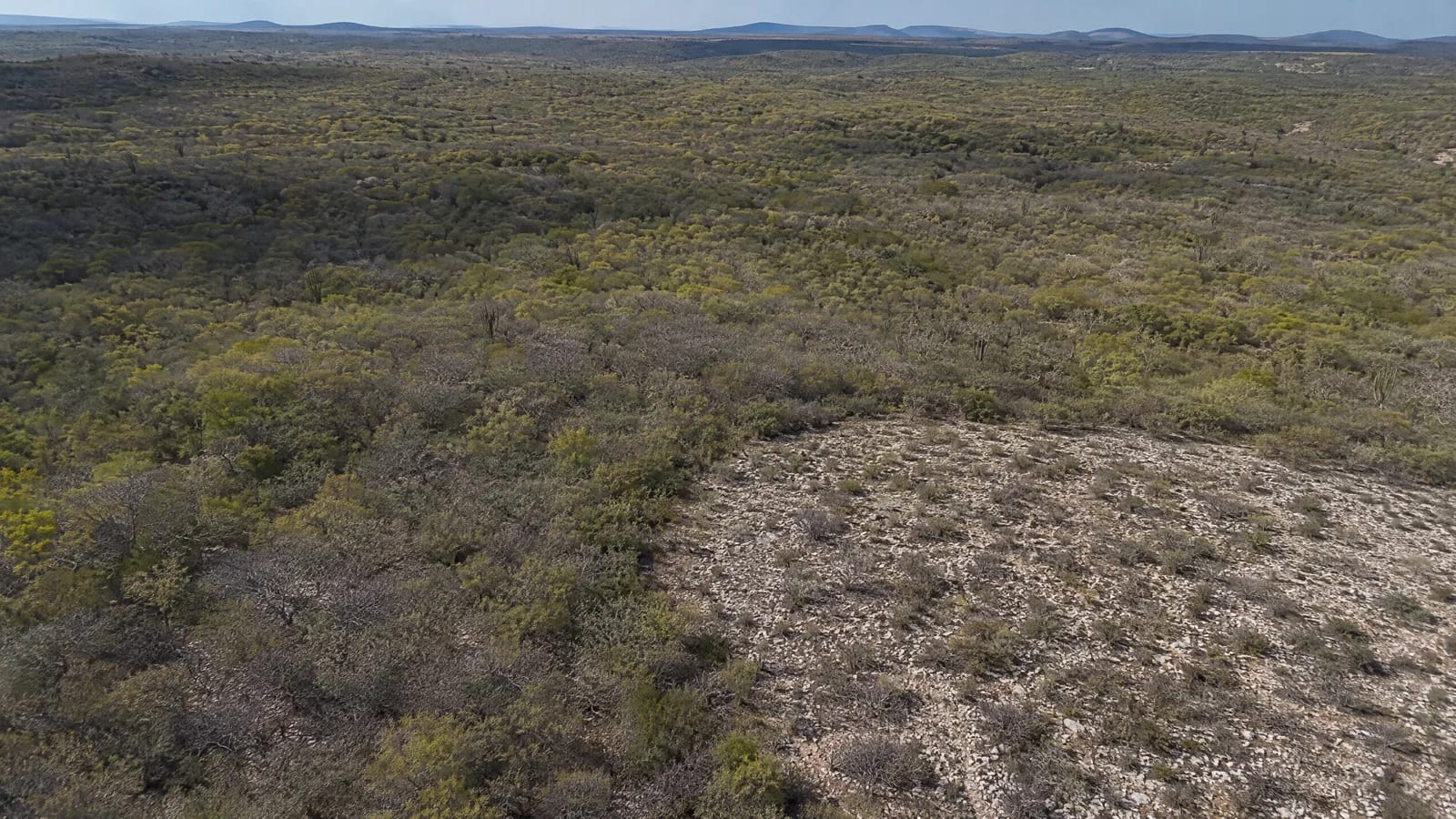
In the dry season, the Caatinga (Caatinga) seems to recede: clean-lined branches, open light and pale soil. Even so, the landscape remains alive, shaped by the heat, the wait for rain, and an economy exacting in its use of water.
A landscape of approach
Araçuaí and Itinga bring the crossing closer to an ecological transition zone, where the semi-arid meets the pegmatitic lithium district.
I · Many worlds in a single biome
The landscape is not a void between two extremes.
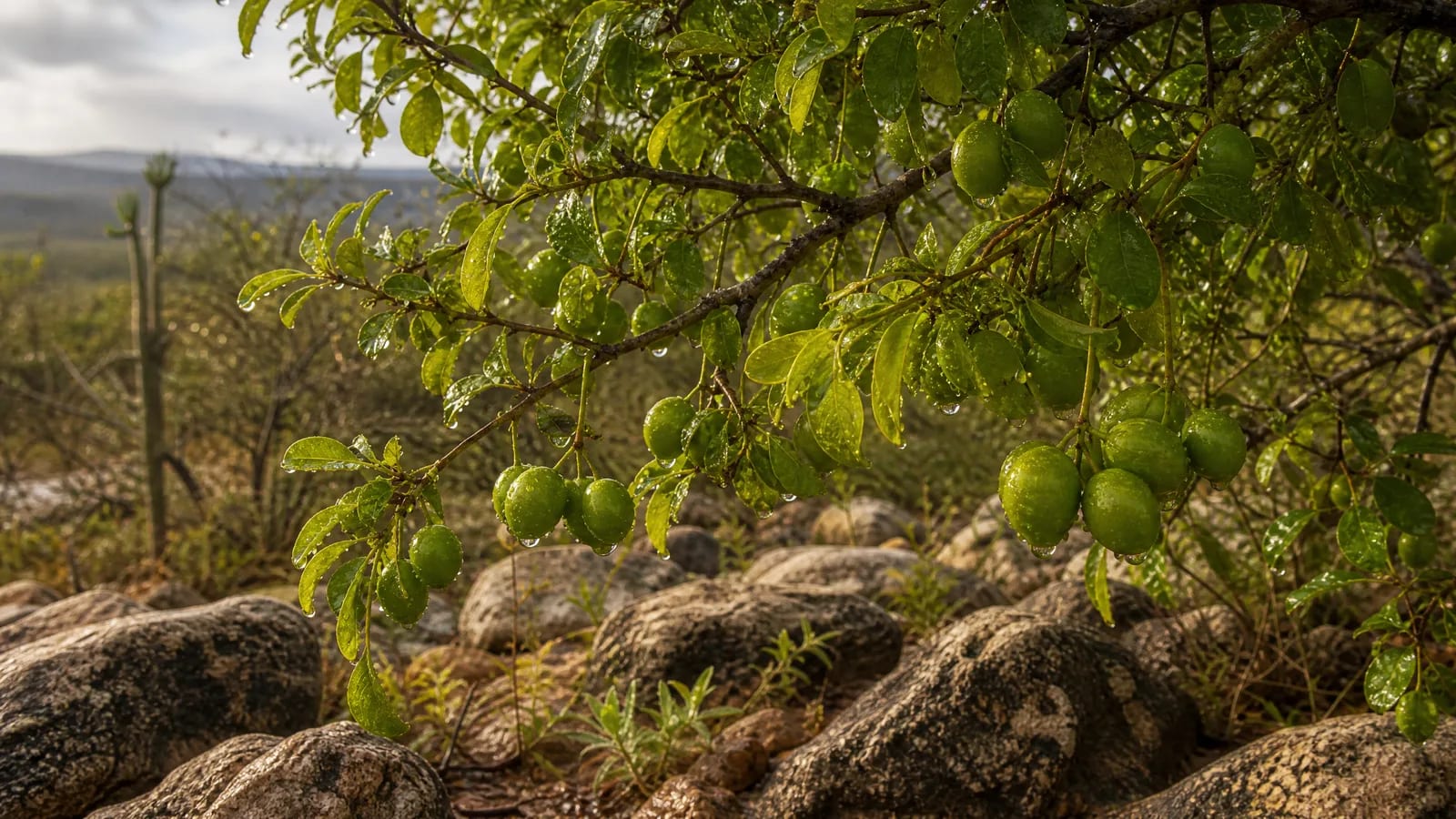
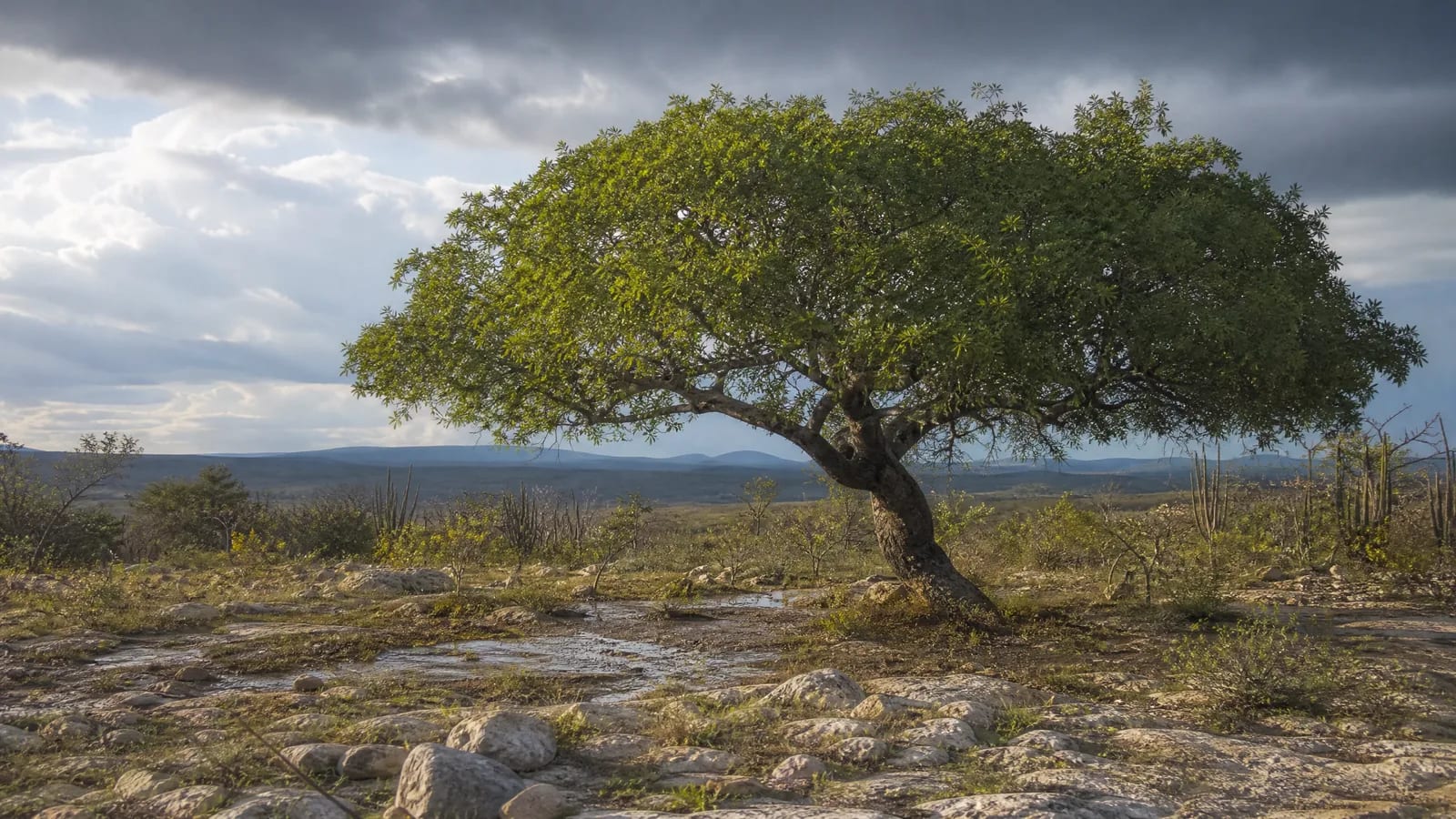
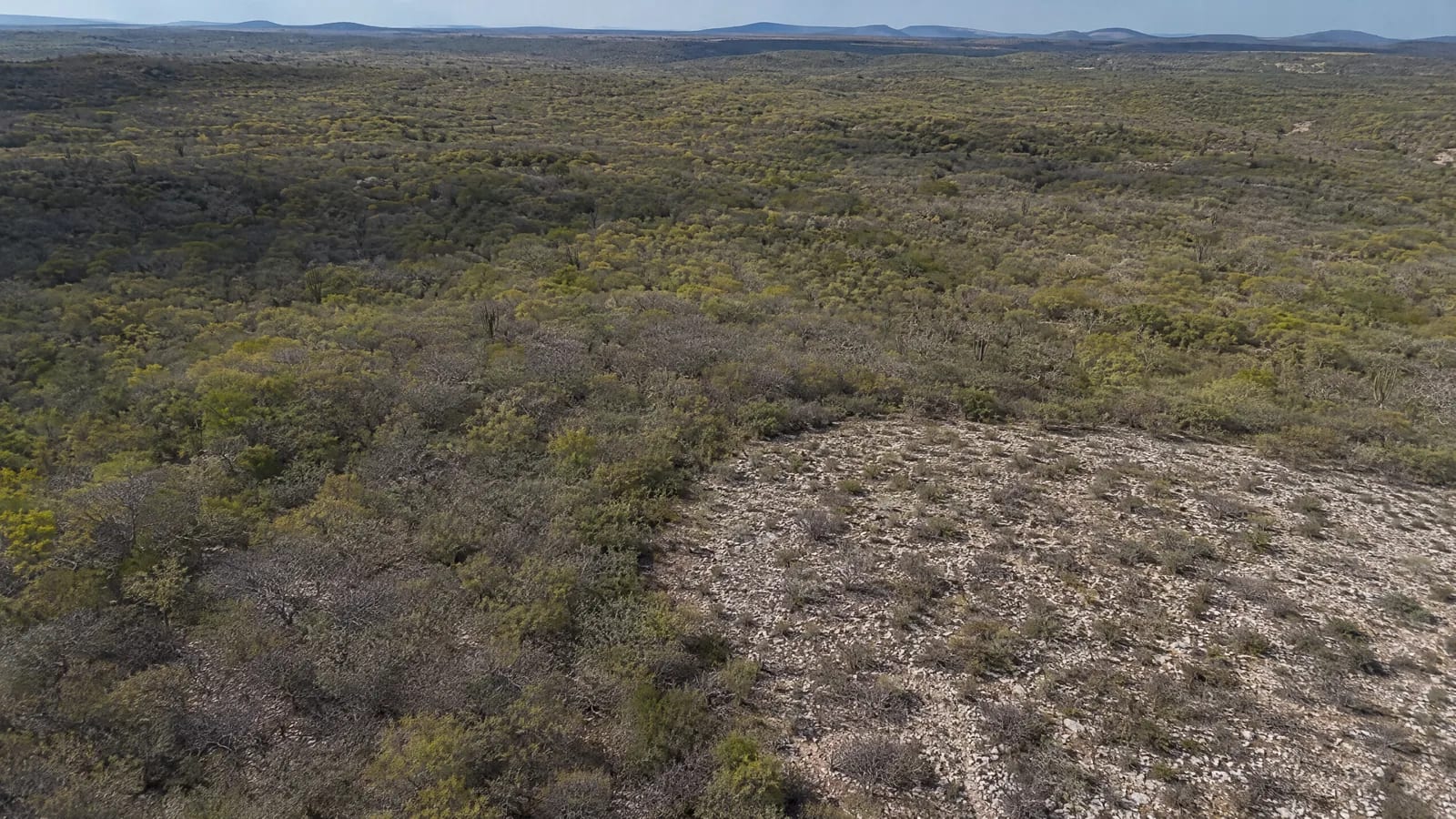
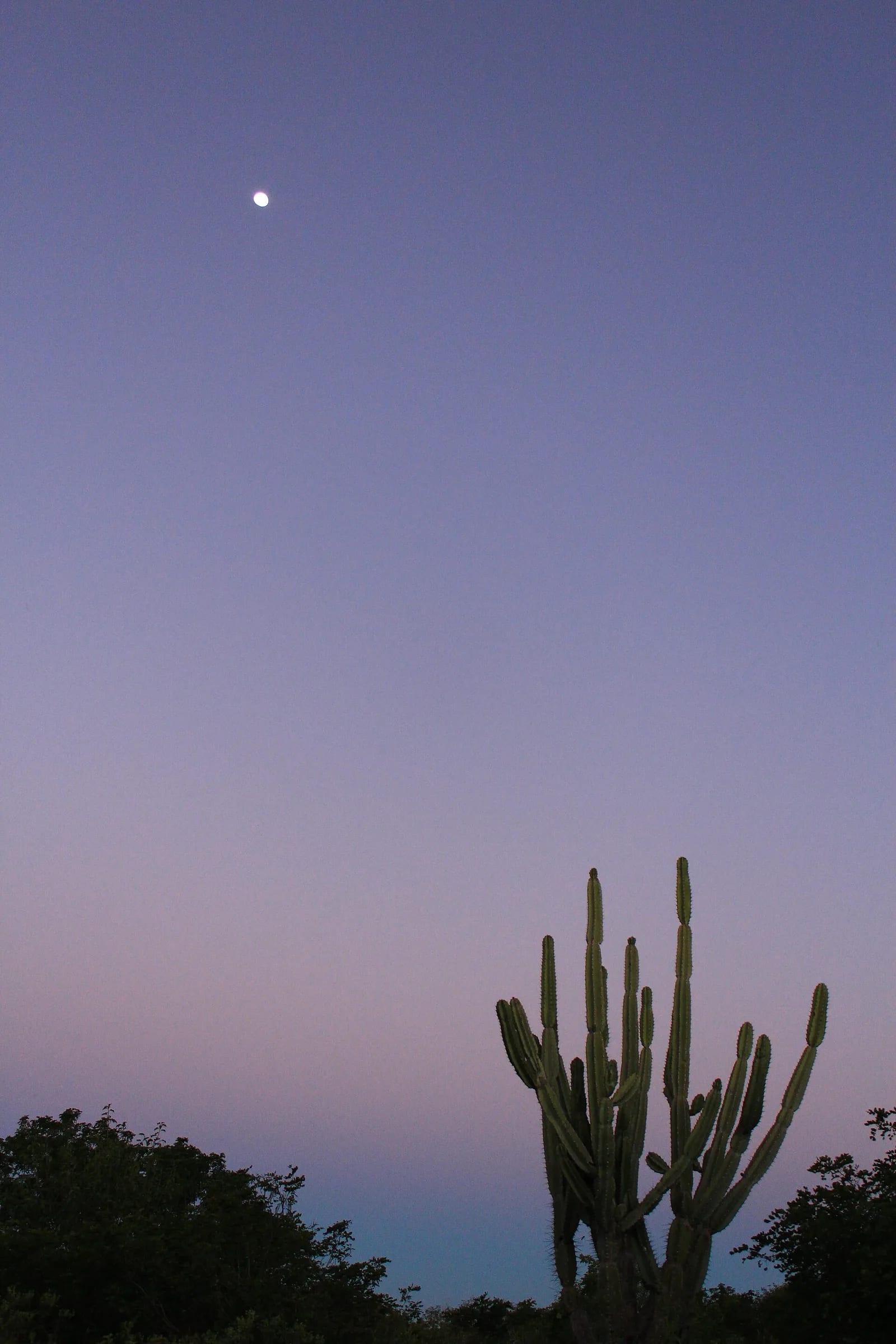
Exclusively Brazilian, the Caatinga (Caatinga) hosts flora and fauna with many endemic species and adaptations to high temperatures and water scarcity.3 In the contact areas of the Jequitinhonha, this ecological diversity coexists with communities, land uses and work expectations. The mineral frontier is plural as well: on 8 May 2023, ANM had registered 377 research authorization processes related to lithium and associated minerals across 22 municipalities, in addition to six mining concessions in Araçuaí and Itinga.2 The figure is historical and does not represent the current stock.
A crossing in images
II · Water, soil and time
The cycle is not mere backdrop: it organizes life.
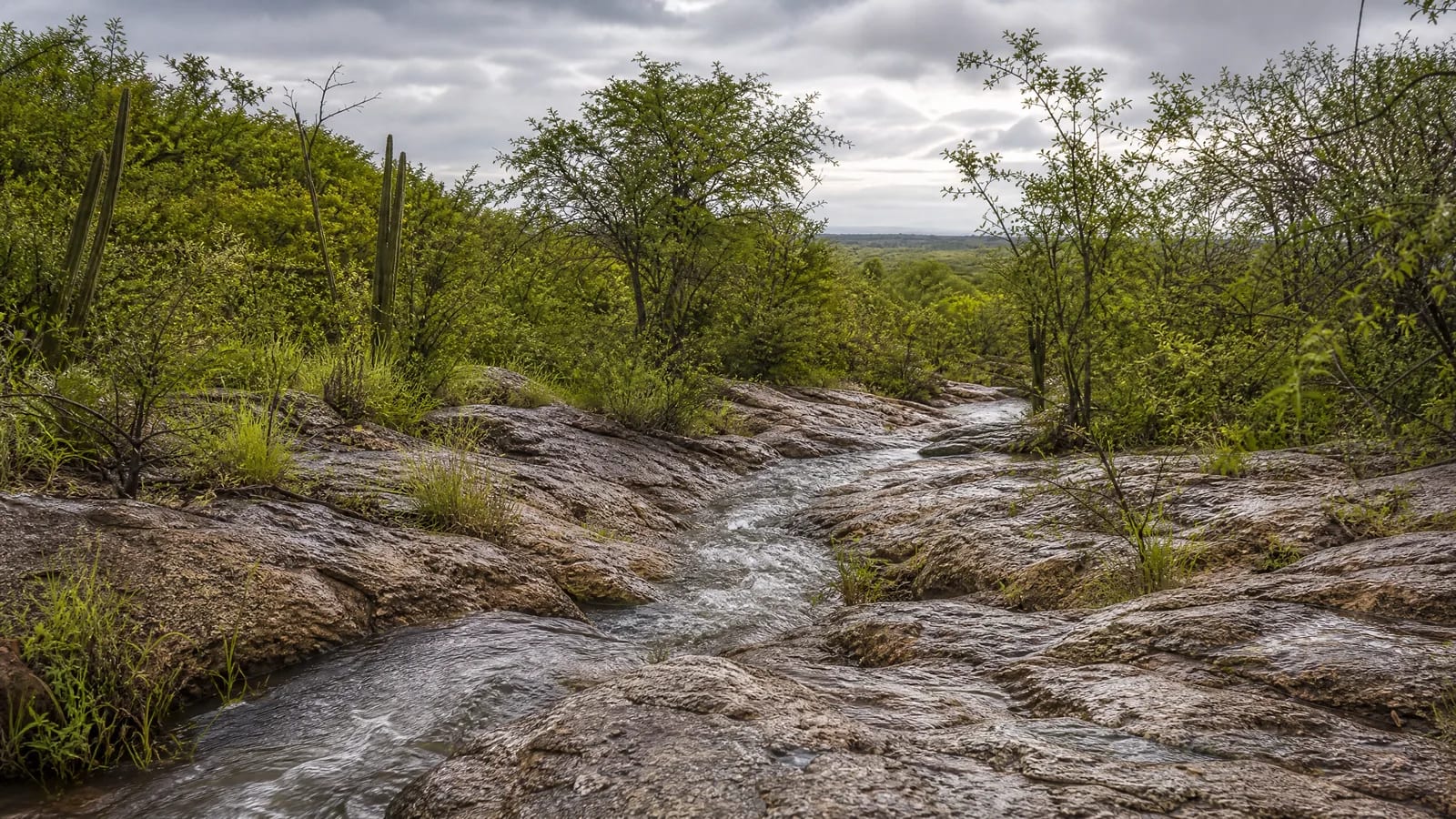
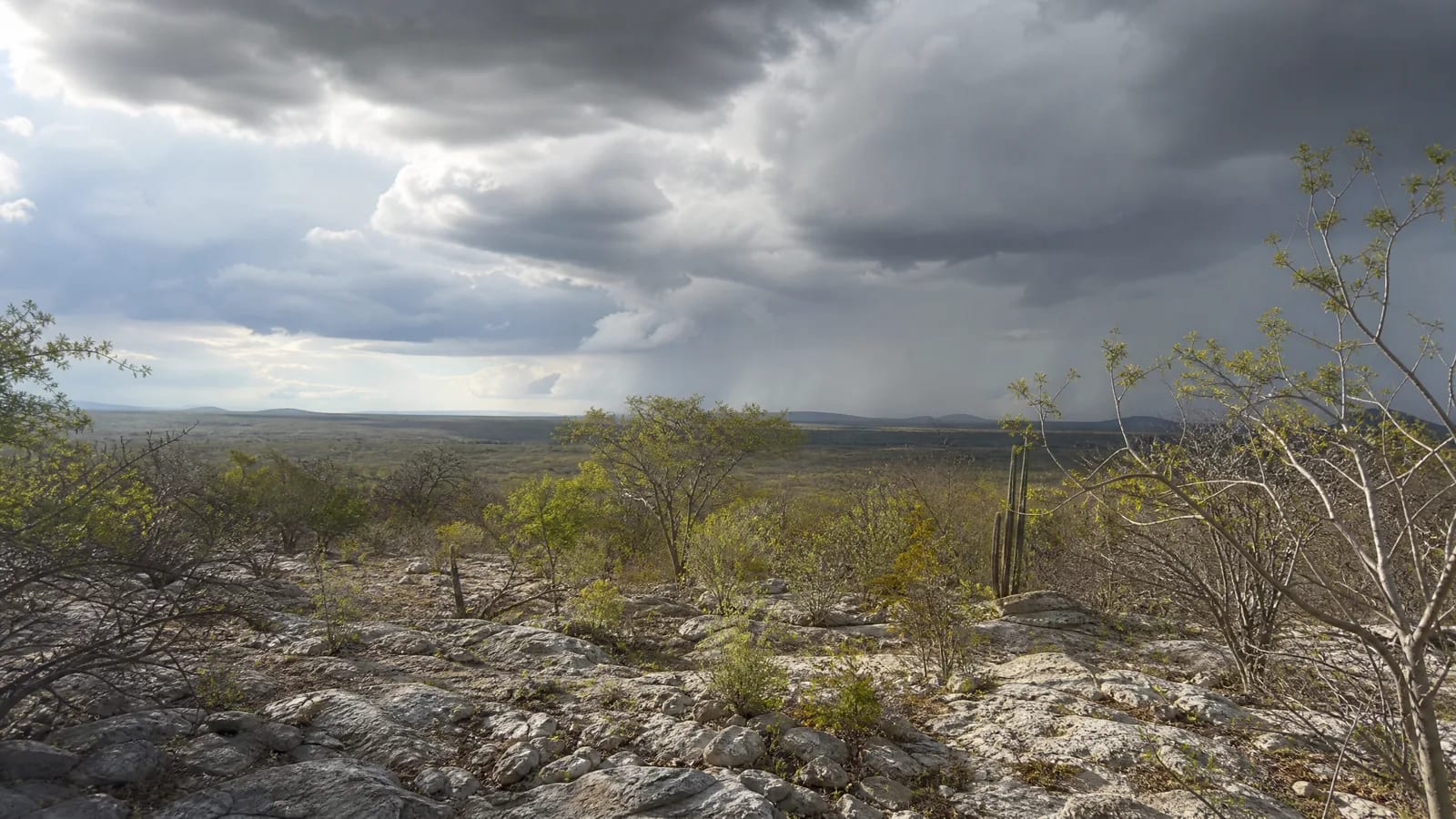
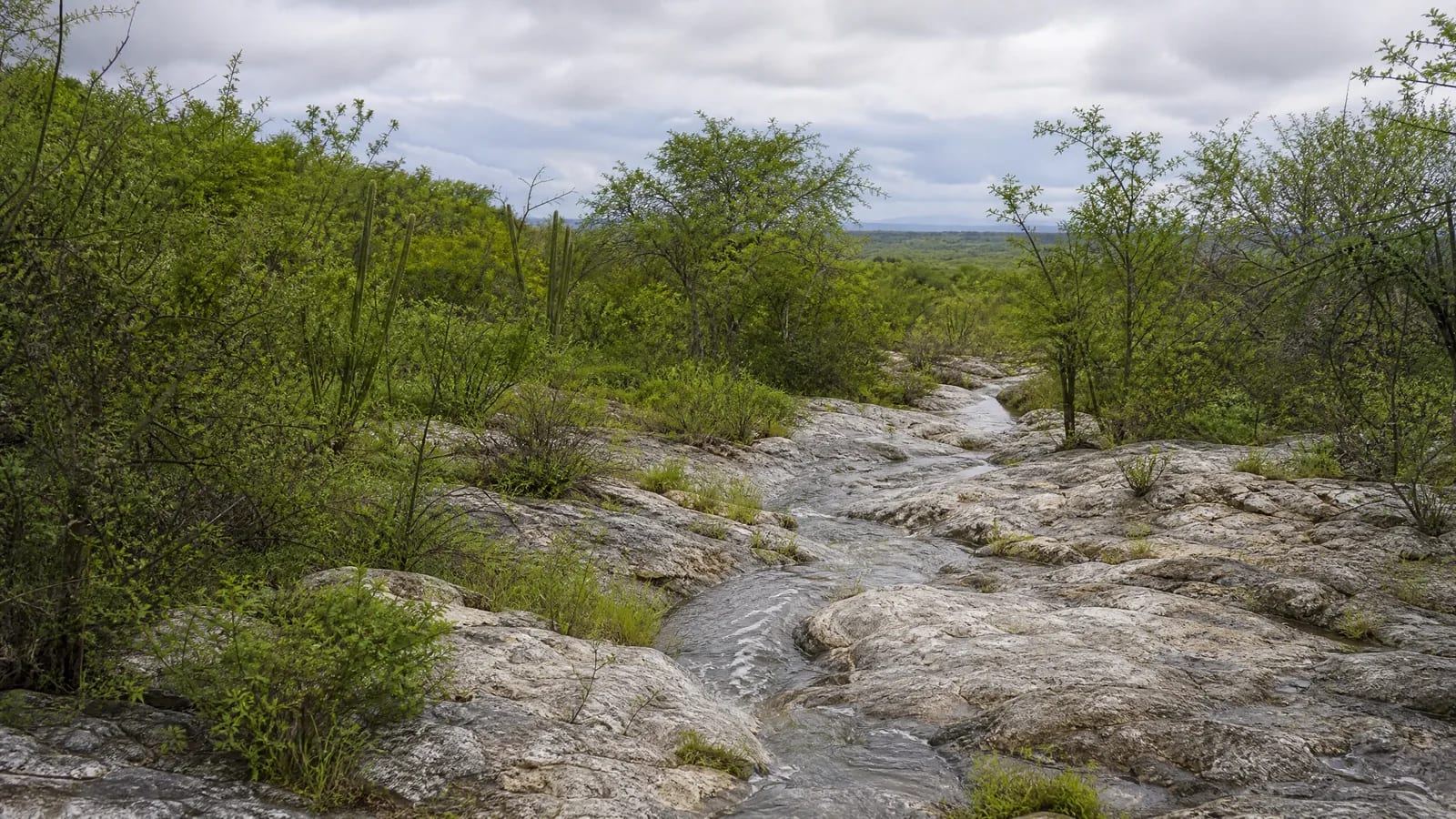
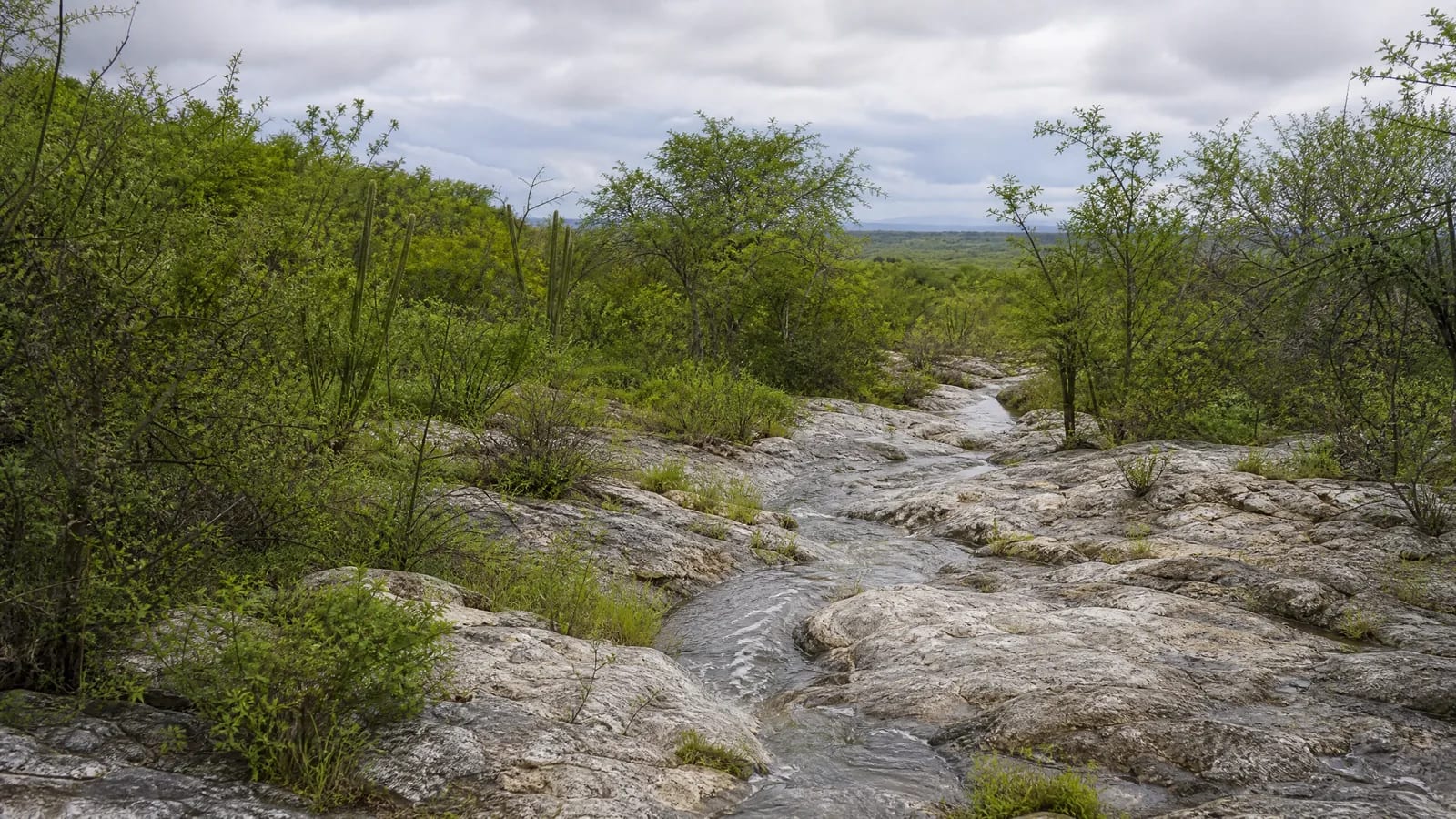
In the Caatinga (Caatinga) and the semi-arid contact areas, rain, runoff, infiltration, springs, extraction and tailings form a decisive cycle. There is no proven water volume per tonne of lithium for the Valley; the figure of 51 m³ comes from an Argentine brine mine and cannot be transferred.4 Samples from 2008 and 2009 detected aluminum in water, soil and plants, but they predate Sigma's commercial operation and do not establish a causal link.
III · Work, production and knowledge
A landscape also sustains people.
In 2023, Brazil produced 263,876 tonnes of spodumene concentrate, equivalent to 15,193 tonnes of Li₂O, with production from CBL, AMG and Sigma; CBL and Sigma were associated with Itinga and Araçuaí.1 The chain involves the mine, services and transport, but the report does not measure jobs, income or public revenue. In exports, 98.5% of the value came from the extractive industry, while processed products totaled US$7.6 million.1
IV · Choices before the showcase
To produce is to choose what the landscape will have to bear.
Global demand for lithium has grown and may expand strongly through 2050.6 In the Valley, the dispute involves permitting, protecting water, controlling tailings, distributing value and ensuring community participation. Sigma states it uses renewable energy, recycled water and dry-stacked tailings; these are attributes declared by the company, not independent certification.5
V · When the conversation comes from afar
The chain does not end at the border.
The connection is concrete: a water-scarce landscape supplies concentrate to an international electrification market. In 2023, 98% of the exported value in lithium products was destined for China, and 98.5% of the total value came from extraction; processing accounted for only US$7.6 million.1 Sigma announced the sale of “Green Lithium” and “Green Tailings” to Yahua, but that does not identify the final destination of all exported lithium.5 The question remains: who captures the value, who monitors the risks, and what transformation stays in the territory?
The question that remains
In a landscape shaped by scarce water, “green lithium” needs to be verifiable through a water balance, tailings control and independent oversight.
VI · The limit of inference
Criticism is only valid when it does not exceed the evidence.
VII · What remains
A landscape that demands more than a ready-made opinion.
The Caatinga (Caatinga) is not an obstacle to electrification, and lithium is not a cost-free solution. A just transition will depend on water time series, water balances, tailings control, meaningful participation and transparency about value and processing. Sustainability will be the quality of the evidence about what remains after extraction.
After the evidence
The Caatinga (Caatinga) is not an obstacle to electrification, and lithium is not a cost-free solution. A just transition will depend on water time series, water balances, tailings control, meaningful participation and transparency about value and processing. Sustainability will be the quality of the evidence about what remains after extraction.
Looking all the way through is also a form of care.
The Caatinga (Caatinga) is not an obstacle to electrification, and lithium is not a cost-free solution. A just transition will depend on water time series, water balances, tailings control, meaningful participation and transparency about value and processing. Sustainability will be the quality of the evidence about what remains after extraction.
📚 References
- 1.ANM — Brazilian Mineral Summary 2024, Lithium, base year 2023
- 2.ANM — Lithium exploration in the Vale do Jequitinhonha/MG
- 3.Embrapa — Caatinga Biome (Caatinga), Ageitec
- 4.FAPESP Research — Lithium exploration increases contamination of soil and water in Minas Gerais
- 5.Sigma Lithium — Zero Tailings and sale to Yahua
- 6.Columbia SIPA — Lithium in the Energy Transition: Roundtable Report
- 7.MPF — Recommendation for prior consultation and suspension of lithium mining in the Vale do Jequitinhonha