Brazilian Biomes · a documentary journey
Pampa (Pampa)
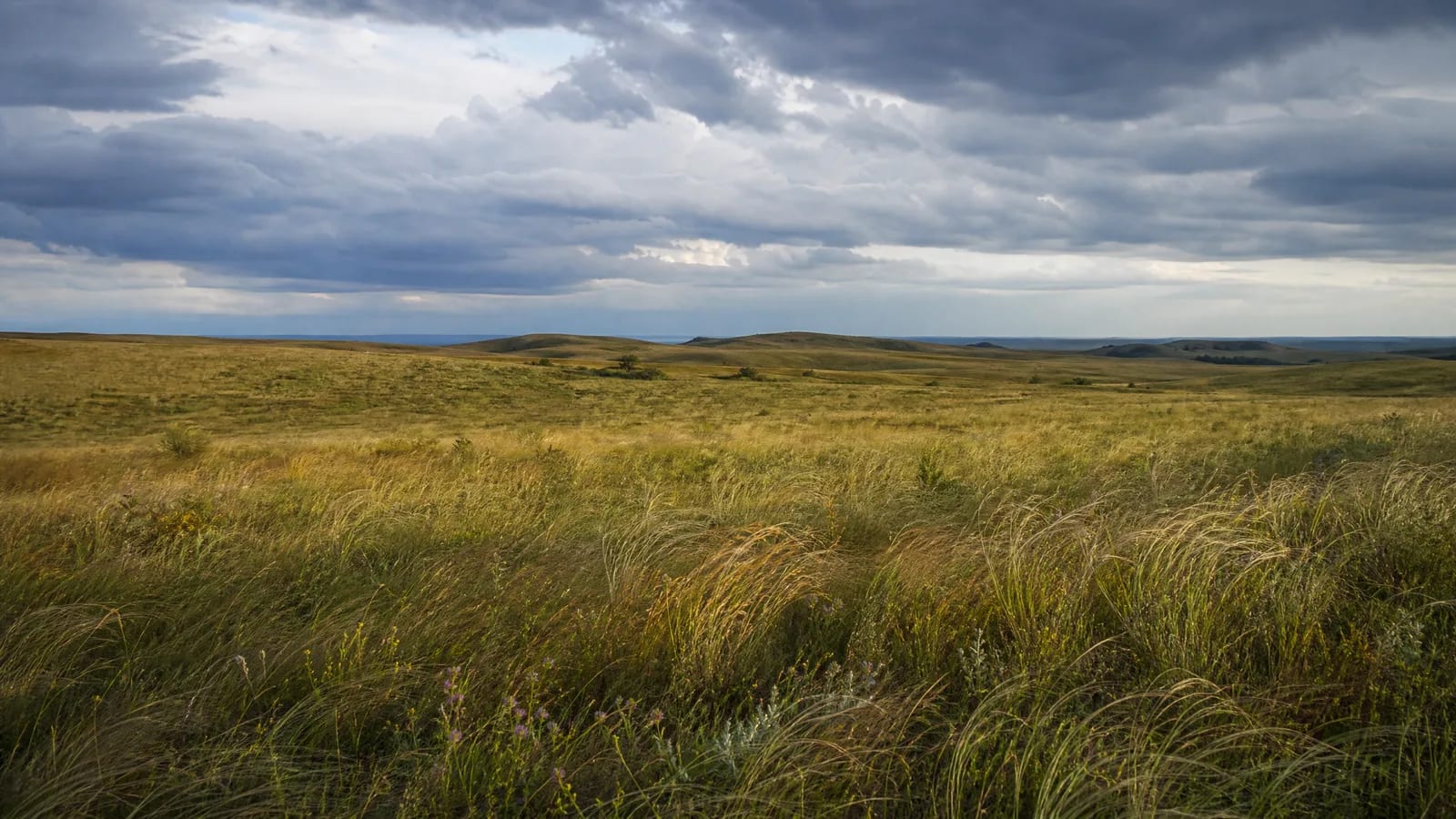
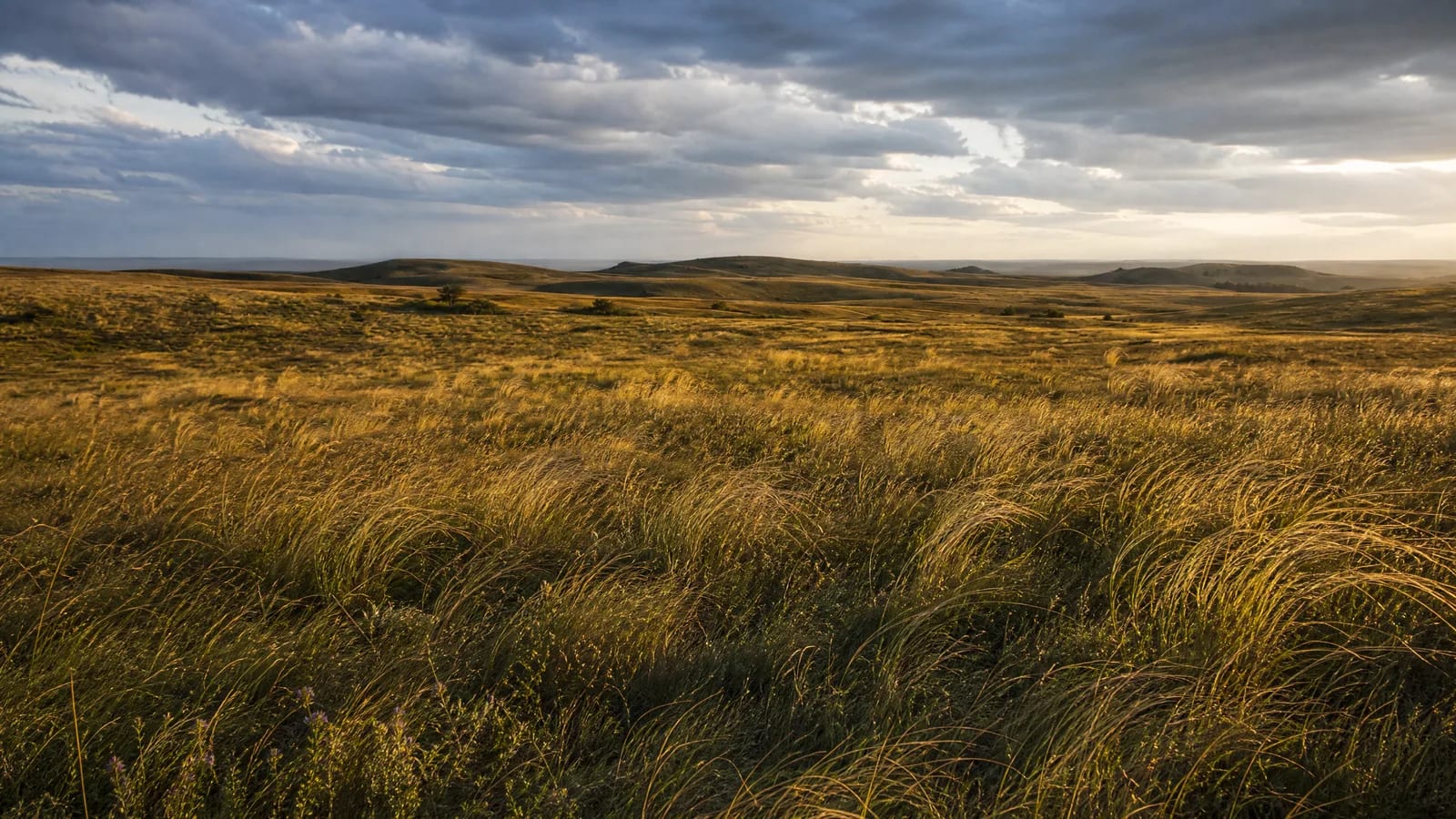
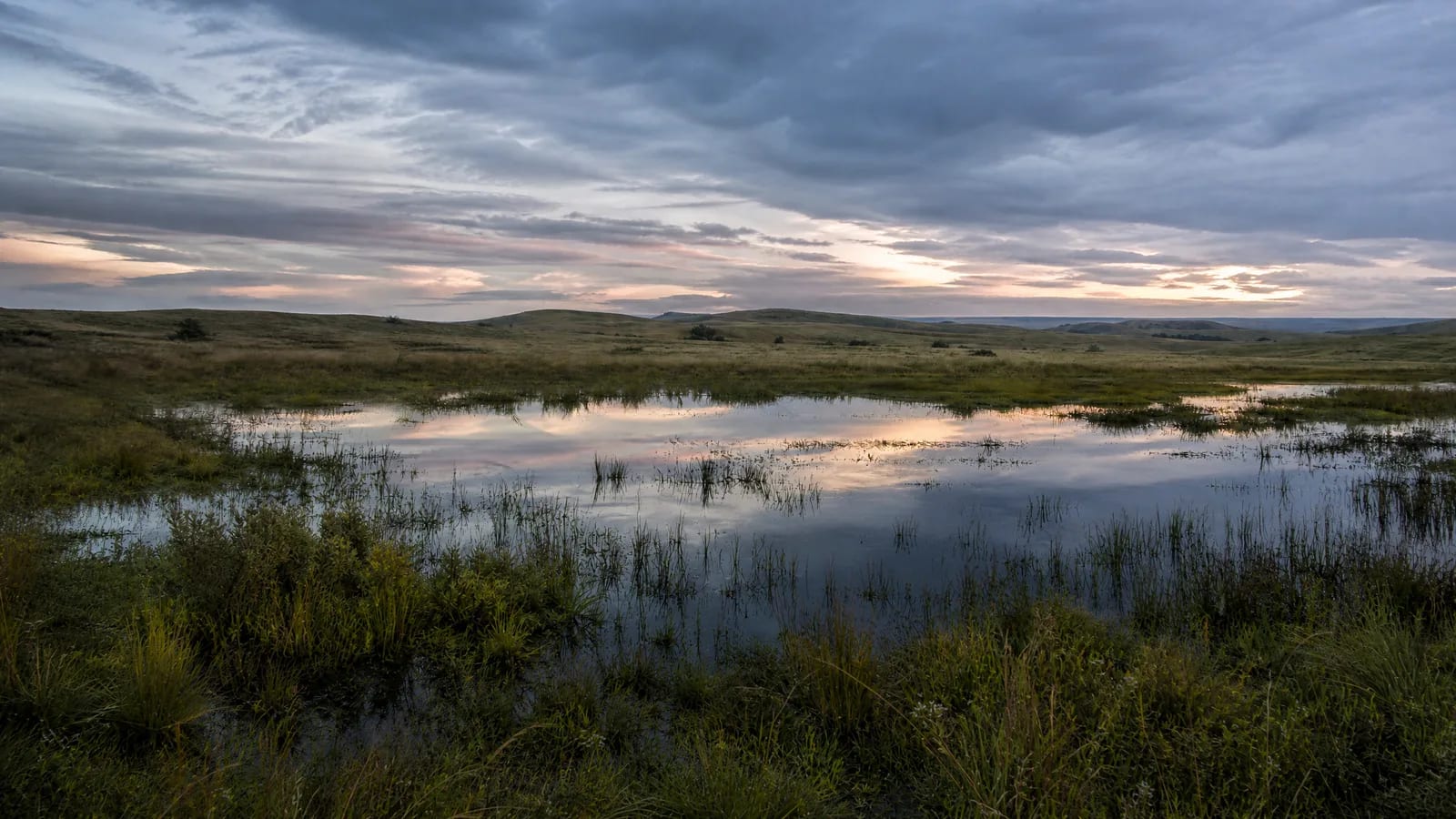
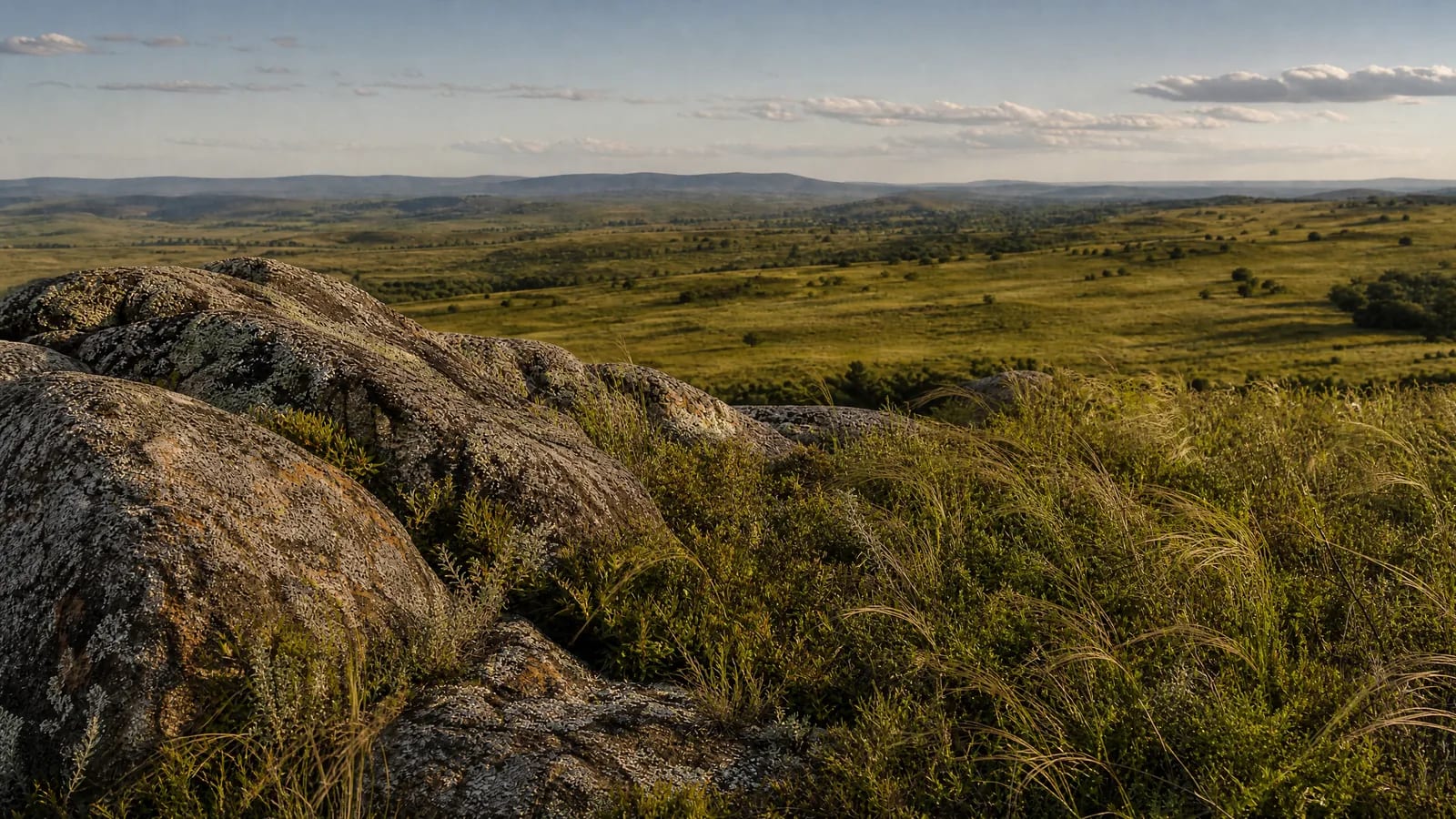
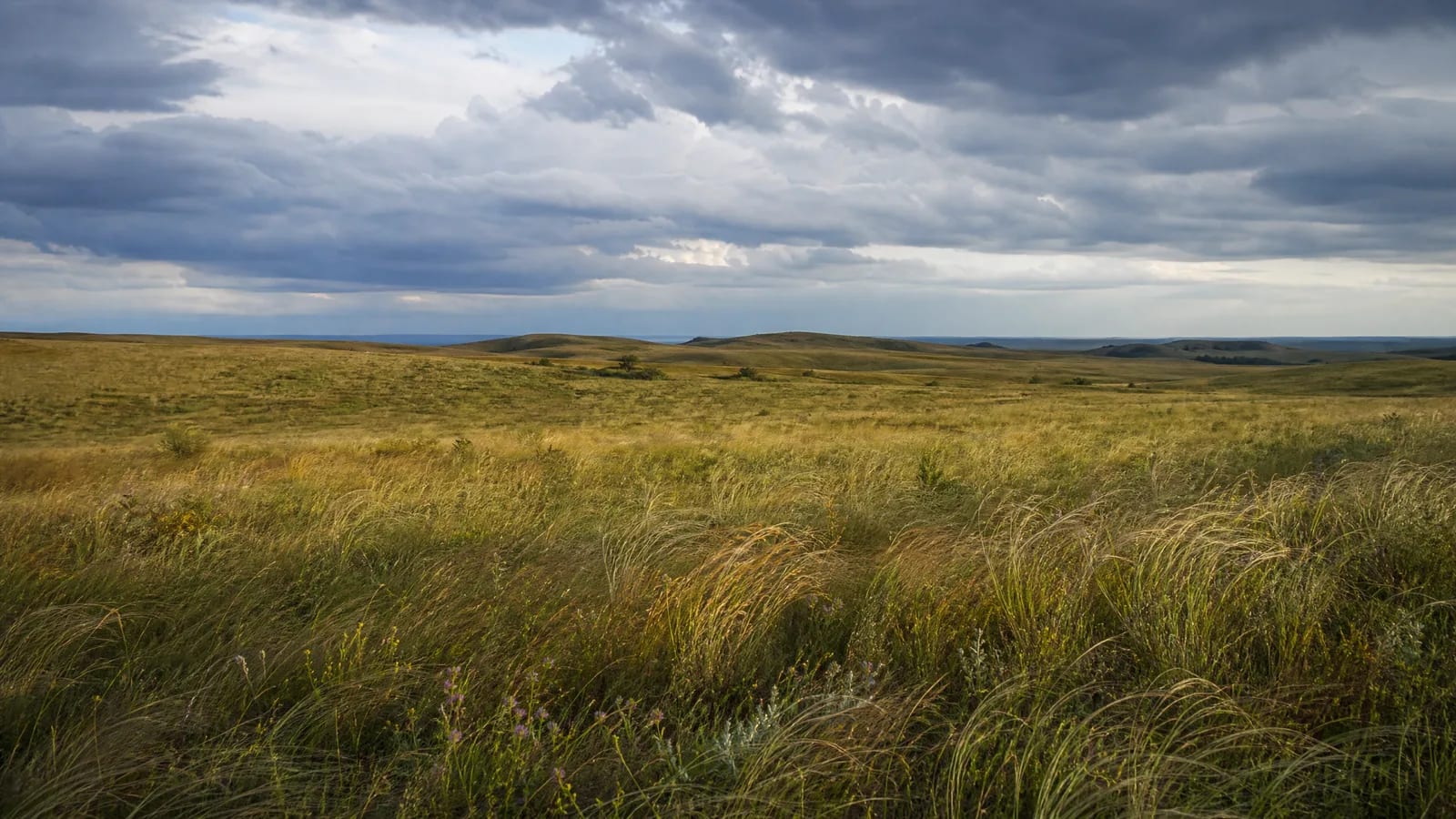
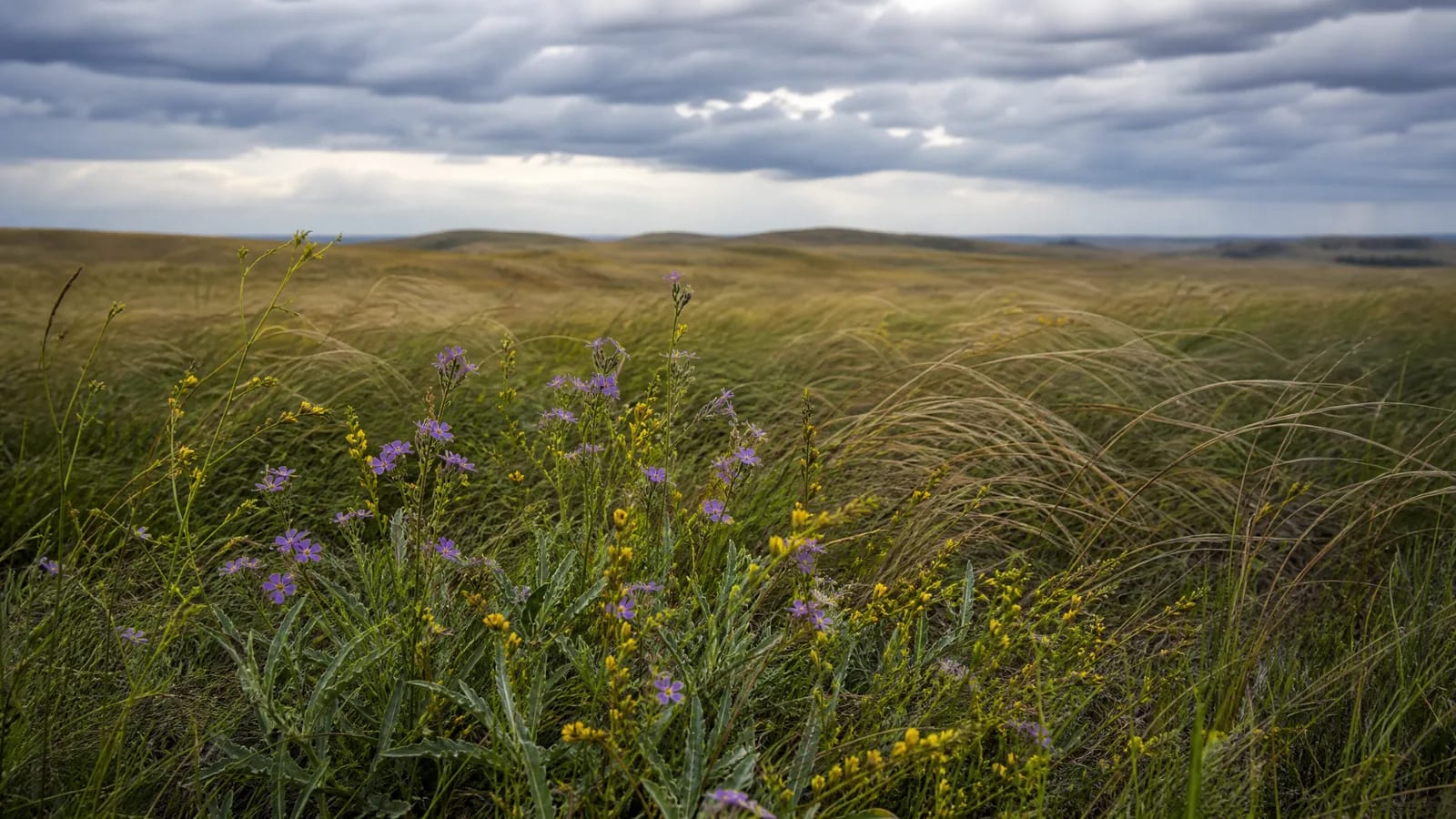
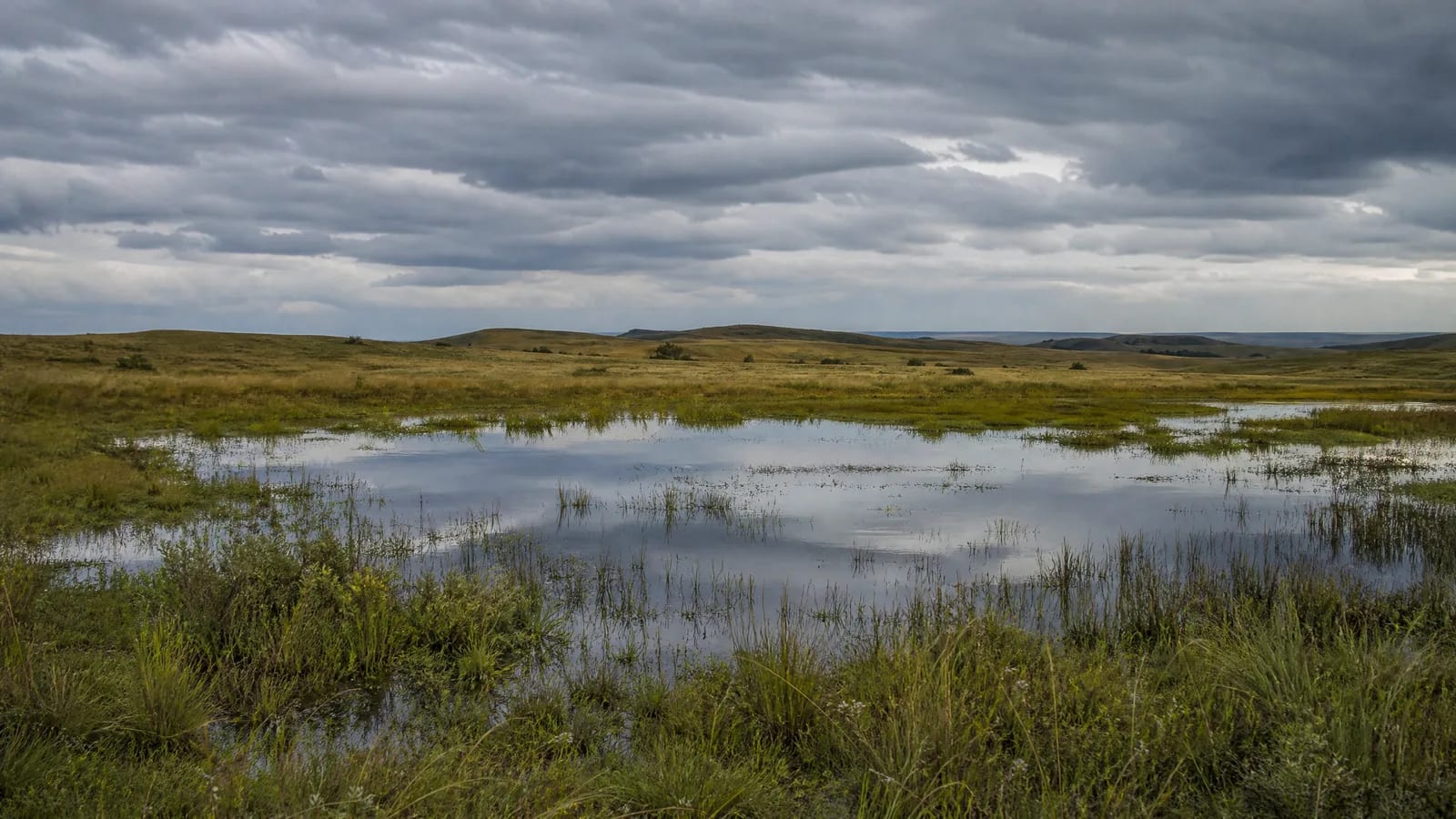
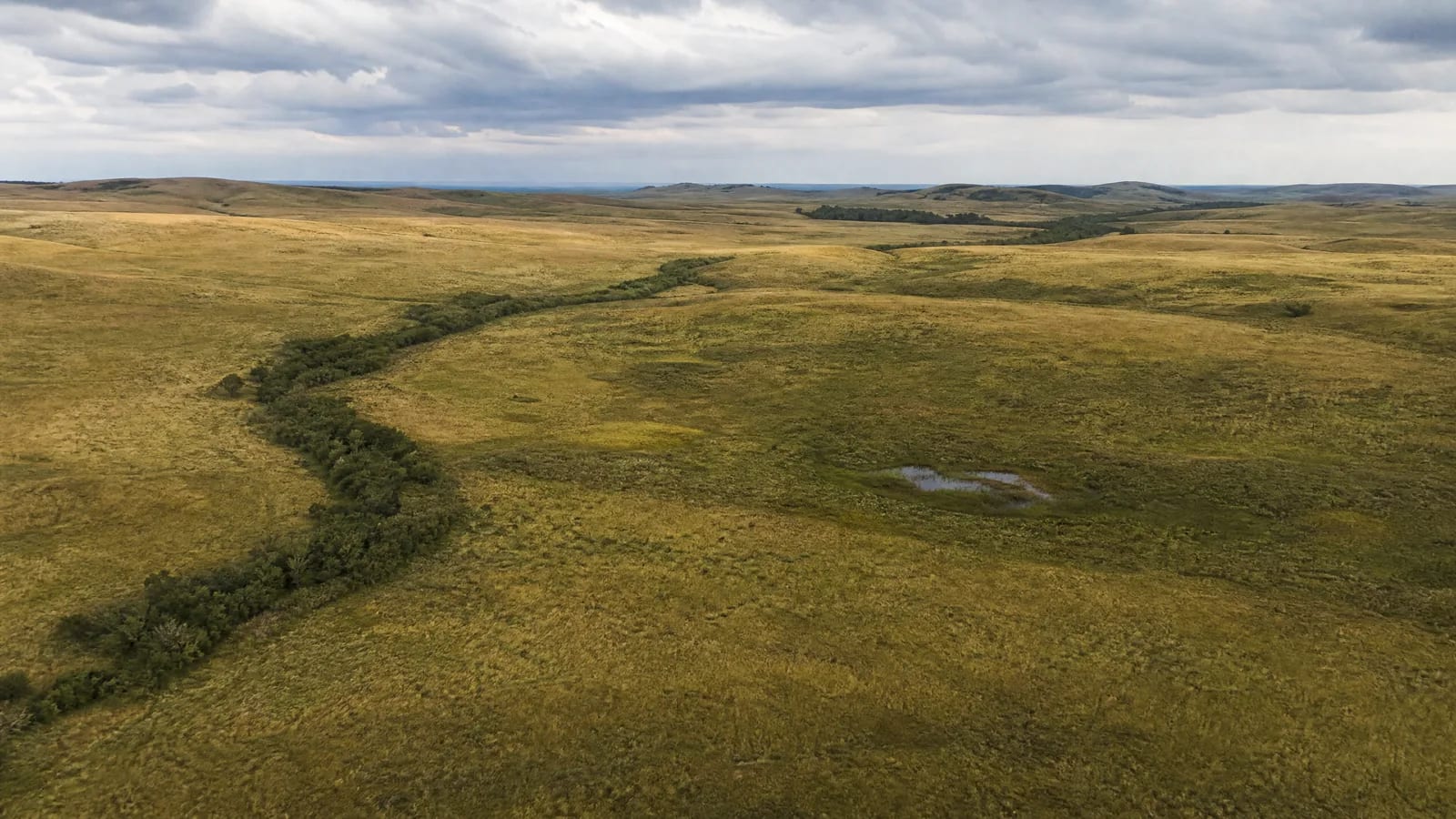
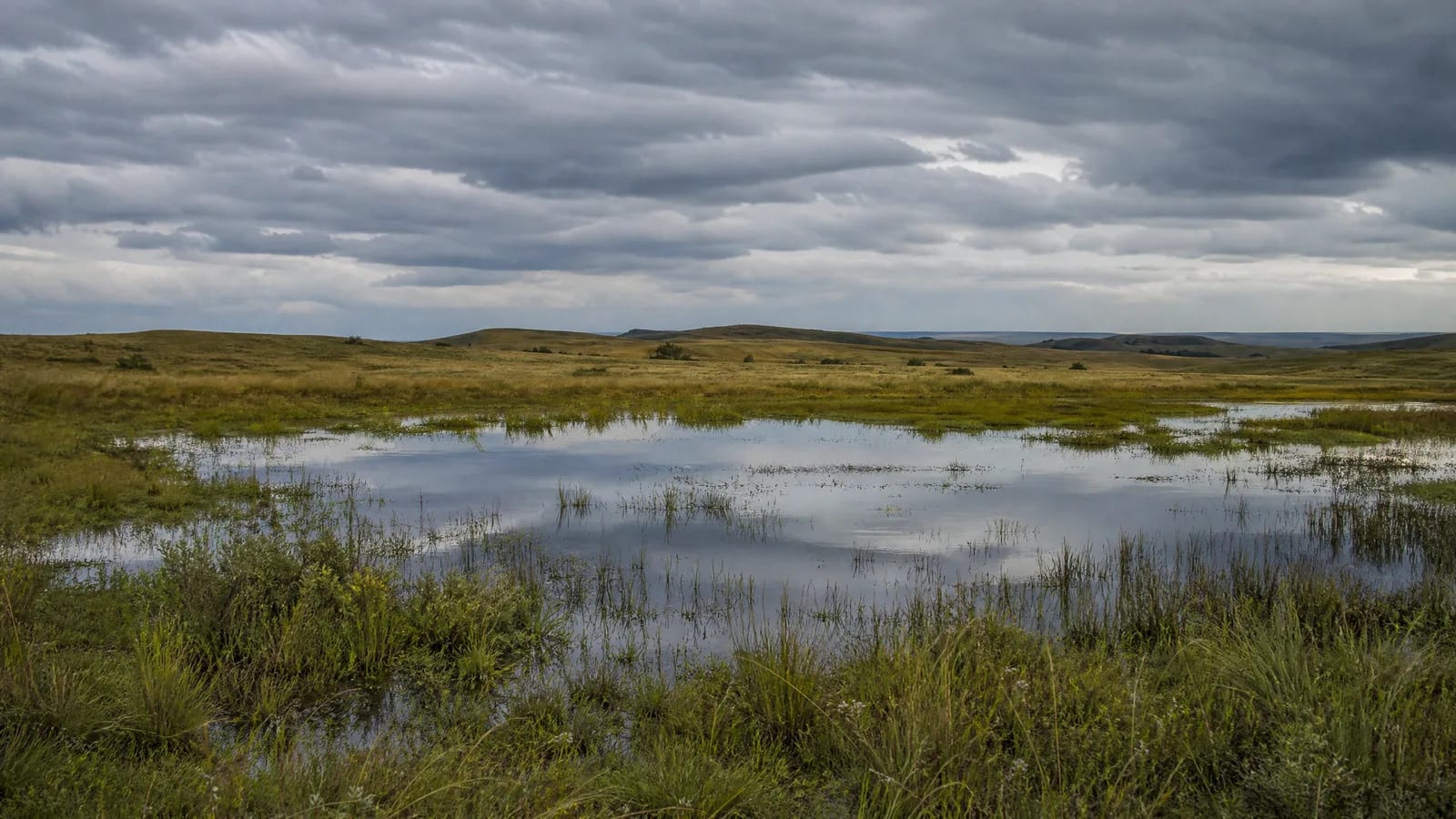
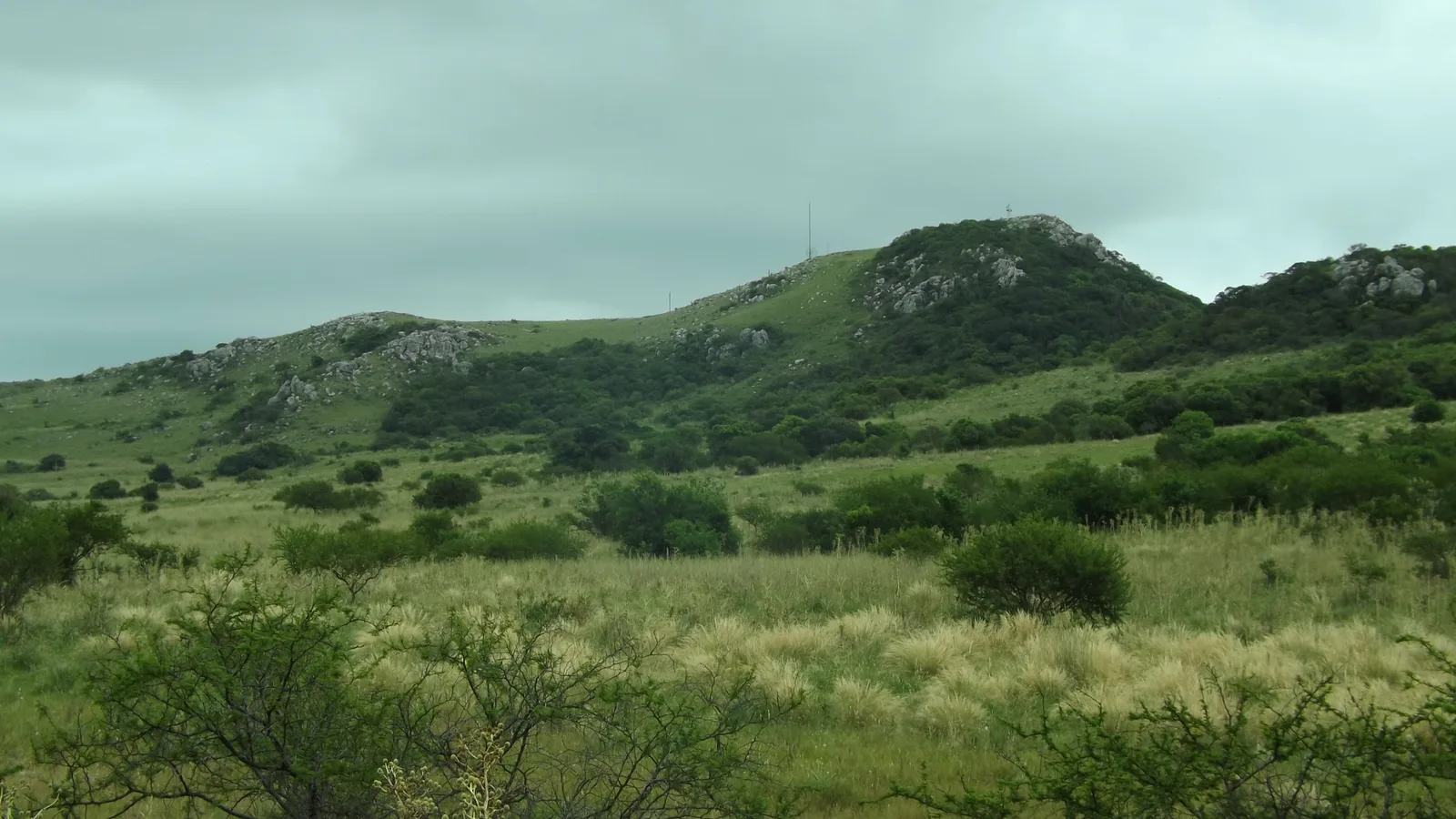
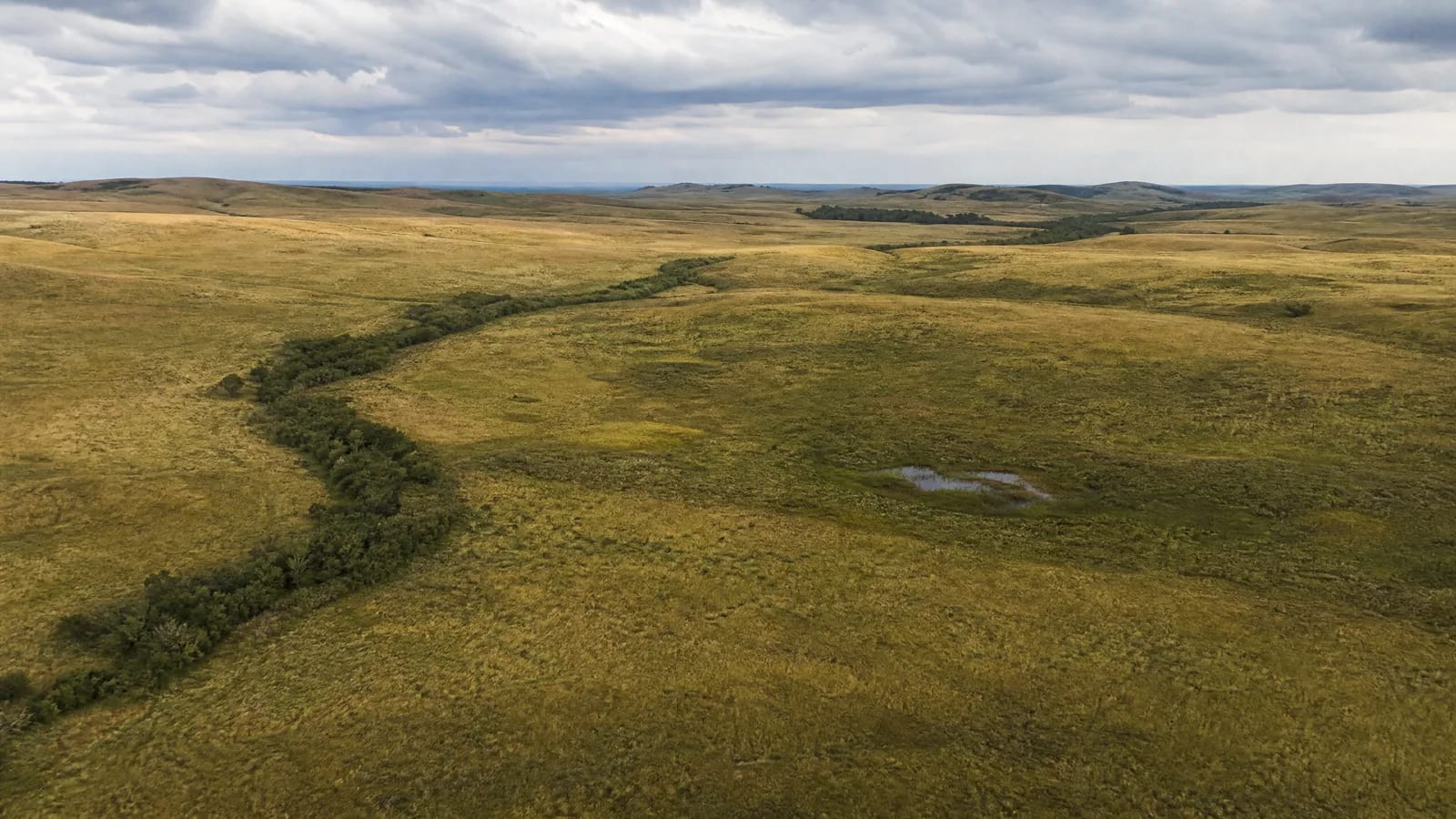
In southern Brazil, the horizon stretches over undulating hills (coxilhas), herbaceous fields (campos herbáceos), wetlands (banhados) and watercourses. Riparian forests (matas ciliares) follow the rivers, groves (capões) interrupt the fields and wet areas hold water and life. The landscape is horizontal, but never empty or uniform.
A landscape of close observation
From a distance, the countryside appears as a single surface; up close, each section responds to the relief, to moisture, to management and to the season.
I · Many worlds in a single biome
The landscape is not an empty space between two extremes.
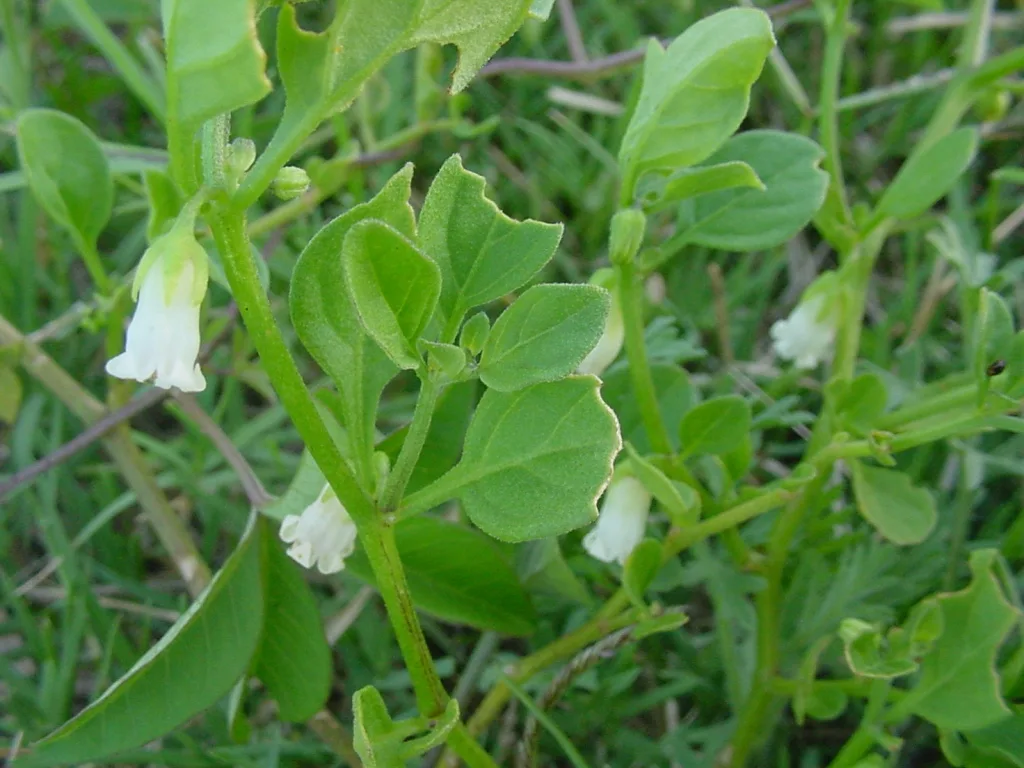
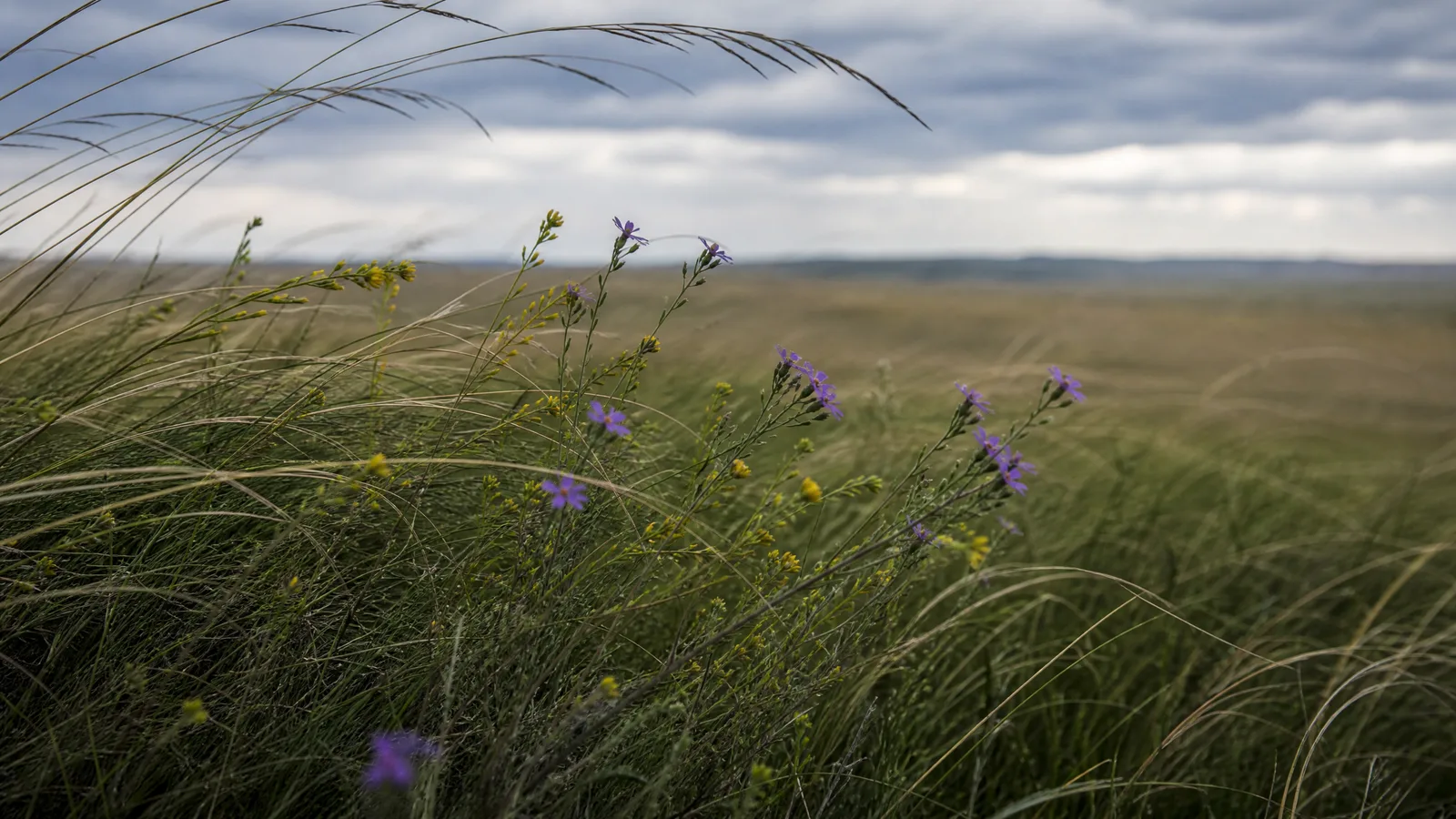
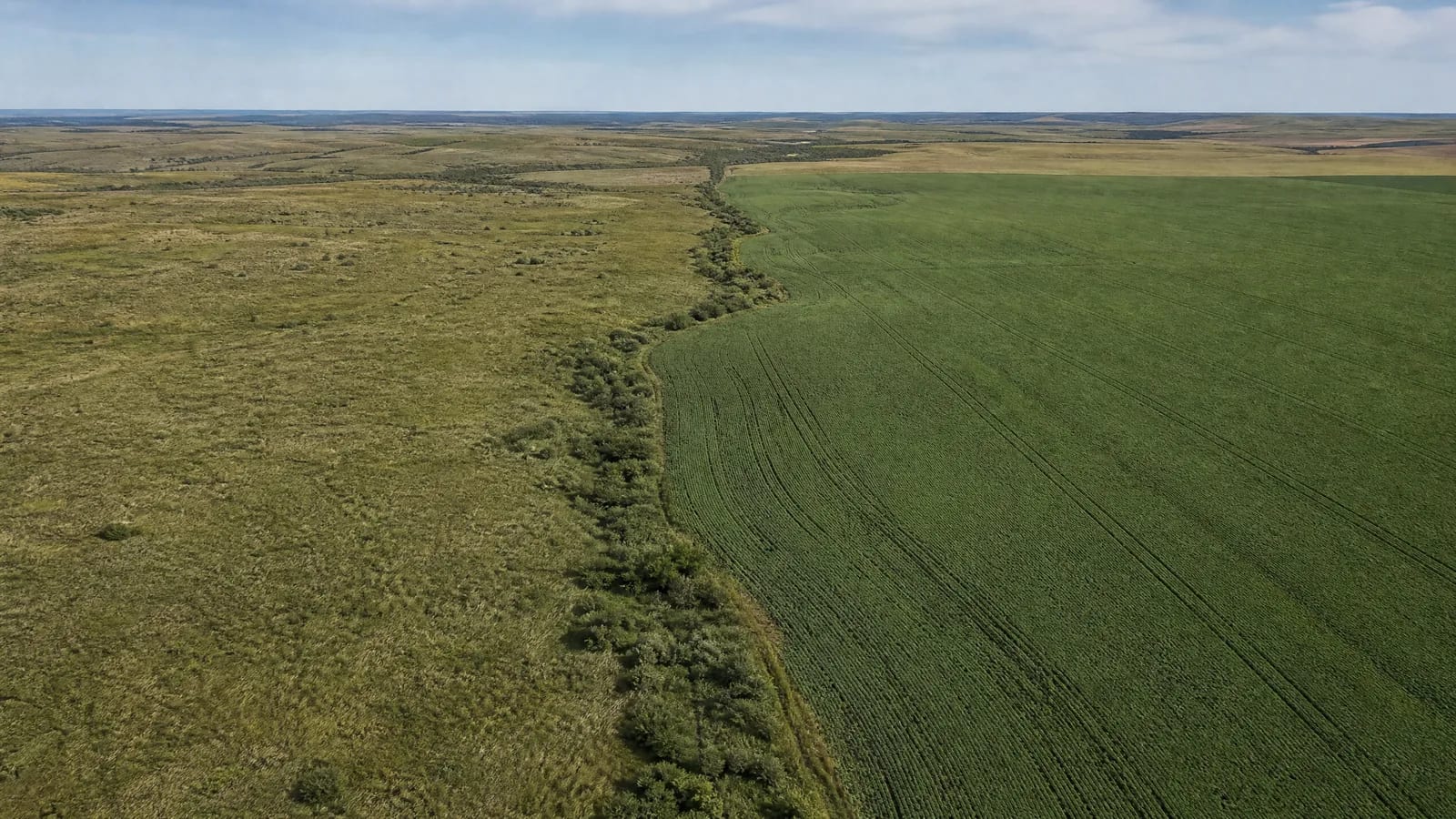
The Brazilian Pampa (Pampa) is confined to Rio Grande do Sul and hosts around 3,000 plant species, 102 mammals, 476 birds and 50 fish. Its nature does not depend on a continuous forest: grassland formations (formações campestres), wetlands (banhados), riparian forests (matas ciliares) and groves (capões) make up a living mosaic. This diversity also corrects a misperception. Converting a field may not produce the dramatic image of trees being felled, but it still represents a loss of native vegetation.
A journey in images
II · Water, soil and time
The cycle is not scenery: it organizes life.
Wetlands (banhados), riverbanks (margens), soils and watercourses form an ecological infrastructure linked to relief, cover and seasonality. The countryside participates in the circulation and retention of water; it is not merely the surface where production occurs. The evidence gathered confirms this relationship, but does not measure local flow declines nor demonstrate a water crisis municipality by municipality.
III · Work, production and knowledge
A landscape also sustains people.
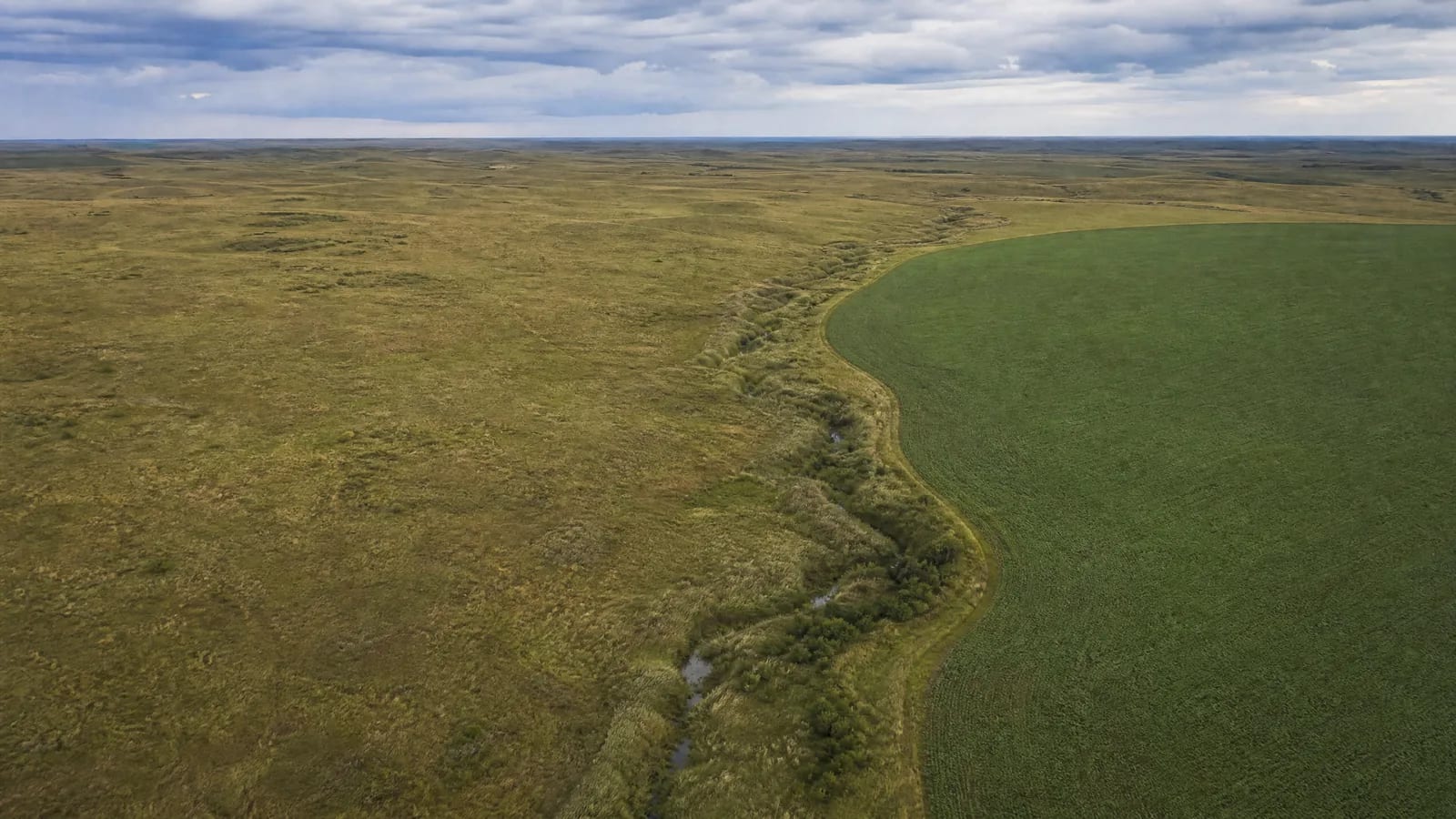
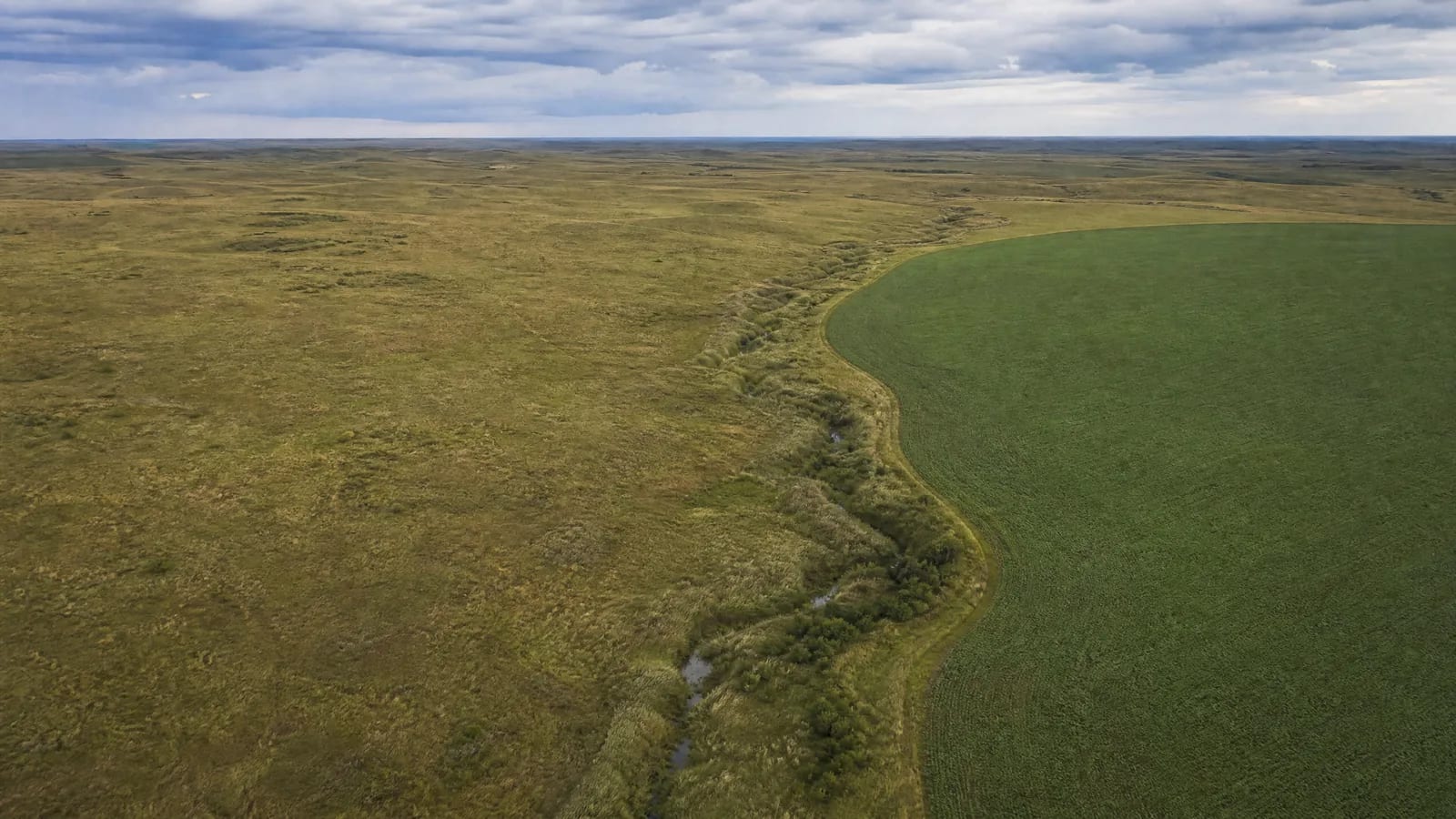
The Pampa (Pampa) is a territory of work, agriculture, livestock and forestry. Between 1985 and 2020, native vegetation declined by 2.5 million hectares, while grassland formations (formações campestres) retreated by 29%; agriculture grew by 34% and forestry also expanded. These numbers describe changes in cover, not intention, illegality or commercial destination. It is not appropriate to demonize producers nor to erase distinct productive practices.
IV · Choices before the showcase
Producing is choosing what the landscape will have to endure.
Every productive landscape results from choices shaped by municipal decisions, policies, markets and technical standards. What is at stake is how to recognize a grassland biome (bioma campestre) in environmental assessments and commodity chains, without opposing production and nature as if one could be removed from history.
V · When the conversation comes from afar
The chain does not end at the border.
The European Union requires due diligence, traceability and geolocation for commodities such as soy, cattle and timber, seeking to avoid products associated with deforestation or forest degradation. The Pampa (Pampa), however, documents significant loss in grassland formations, often absent from the common imagination of “deforestation.” The connection is structural, not proof of a specific export: no property, European buyer or lot linked to a conversion was identified. The researchable question is whether legally forest-centered criteria adequately capture the conversion of native grasslands and what the scope of the rule would be in the concrete case.
The question that remains
A supply chain may require coordinates to protect forests, while the conversion of native grassland — the nature that defines the Pampa (Pampa) — remains less recognizable.
VI · The limit of inference
Criticism only holds when it does not exceed the evidence.
The maps demonstrate territorial transformation, but do not, on their own, assign blame, illegality, intent or export destination. The material also does not measure all the effects of forestry nor allow one to assert a closed causal link with a specific European market.
VII · What remains
A landscape that demands more than a ready-made opinion.
The Pampa (Pampa) appears continuous, but shelters diverse environments; it seems simple, but supports thousands of species. Its landscape changed before public debate found words to name the loss. Recognizing it as a complex biome requires specific protection, better traceability and transparency about the choices that transform it.
After the evidence
The Pampa (Pampa) appears continuous, but shelters diverse environments; it seems simple, but supports thousands of species. Its landscape changed before public debate found words to name the loss. Recognizing it as a complex biome requires specific protection, better traceability and transparency about the choices that transform it.
Looking all the way through is also a way of caring.
The Pampa (Pampa) appears continuous, but shelters diverse environments; it seems simple, but supports thousands of species. Its landscape changed before public debate found words to name the loss. Recognizing it as a complex biome requires specific protection, better traceability and transparency about the choices that transform it.
📚 References
- 1.ICMBio — Pampa (Pampa)
- 2.MapBiomas — Pampa technical sheet, Collection 6
- 3.European Commission — Implementation of the Regulation on Deforestation-free Products
- 4.European Commission — Regulation on Deforestation-free Products
- 5.PNAS — The origin, supply chain, and deforestation risk of Brazil’s cattle sector