Brazilian vegetation · plant formation
Seasonal Semideciduous Forest (Floresta Estacional Semidecidual)
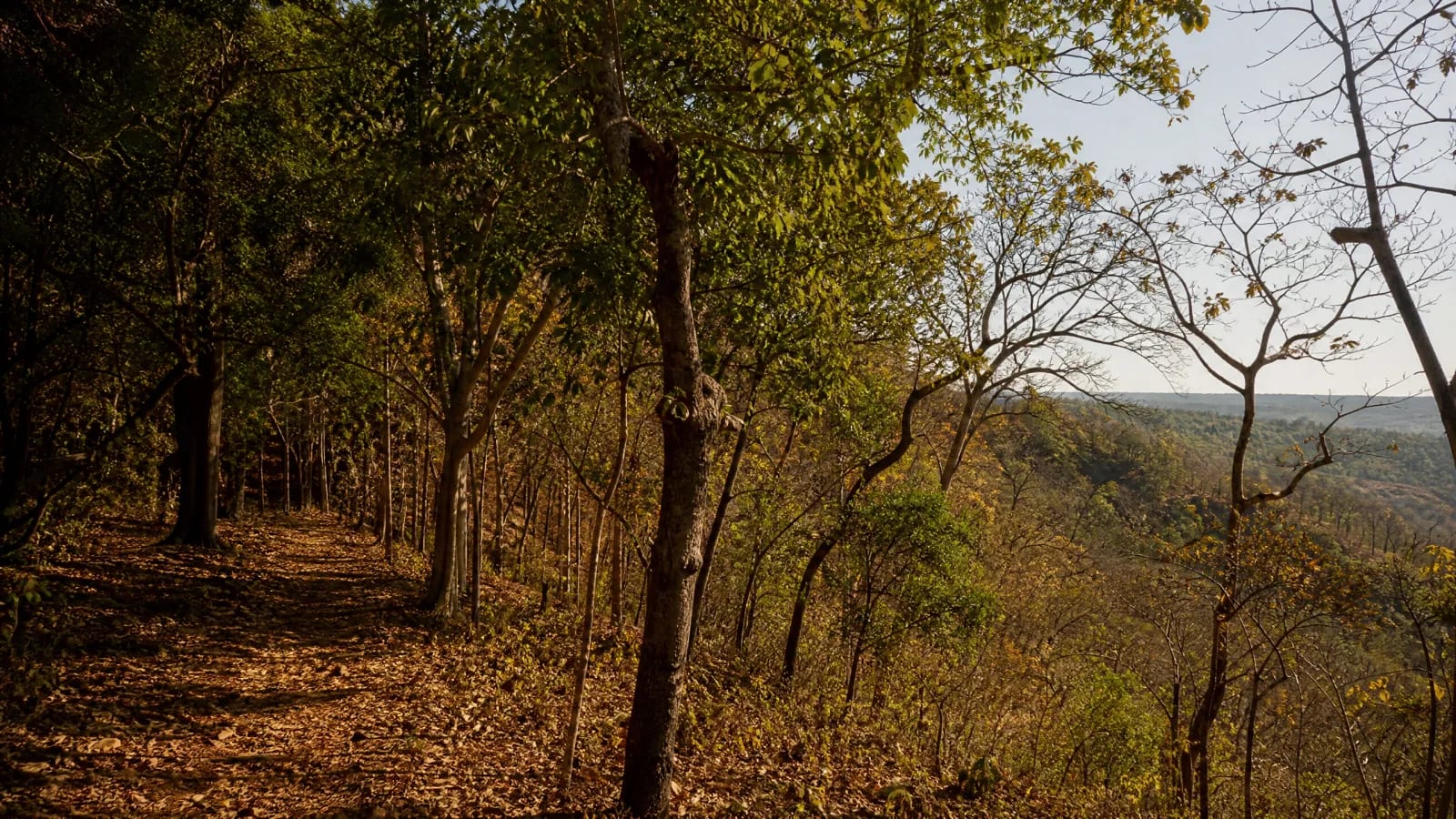
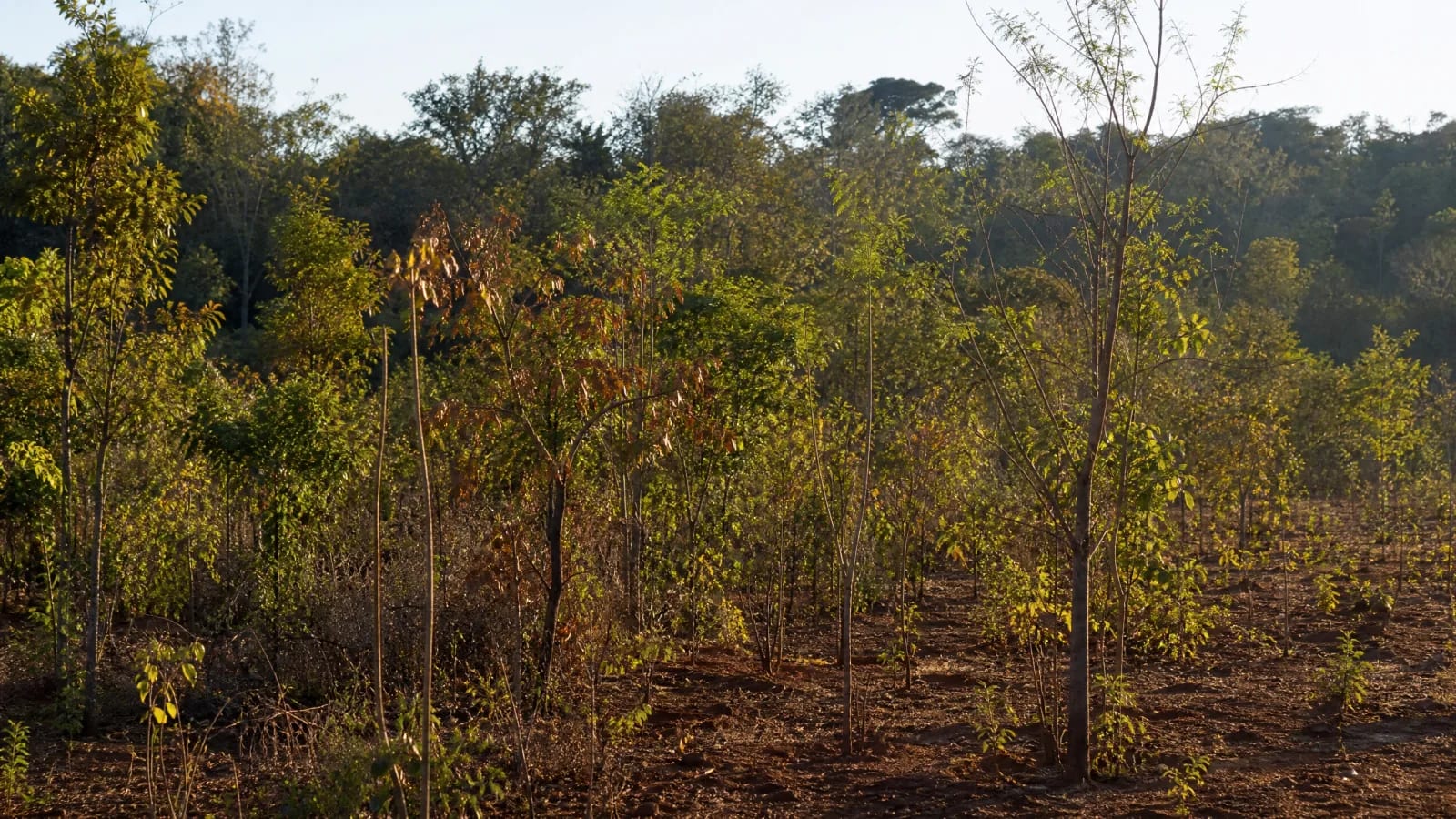
Some leaves fall; the forest changes in light, not in importance. In the dry season, the canopy opens into slivers, the ground acquires a pattern, and the trunks seem to draw closer. The woodland remains an organism that manages water and time. 1
The shape of the landscape matters.
Between coastal humidity and the Agreste, the Seasonal Semideciduous Forest (Floresta Estacional Semidecidual) occupies a transitional belt in Pernambuco’s Mata Sul. The transition is not an empty interval: rain, soil, and relief determine different heights, shadows, and rhythms. It is boundary and home at once. 2
I · Recognise
Before becoming a backdrop, it is already life.
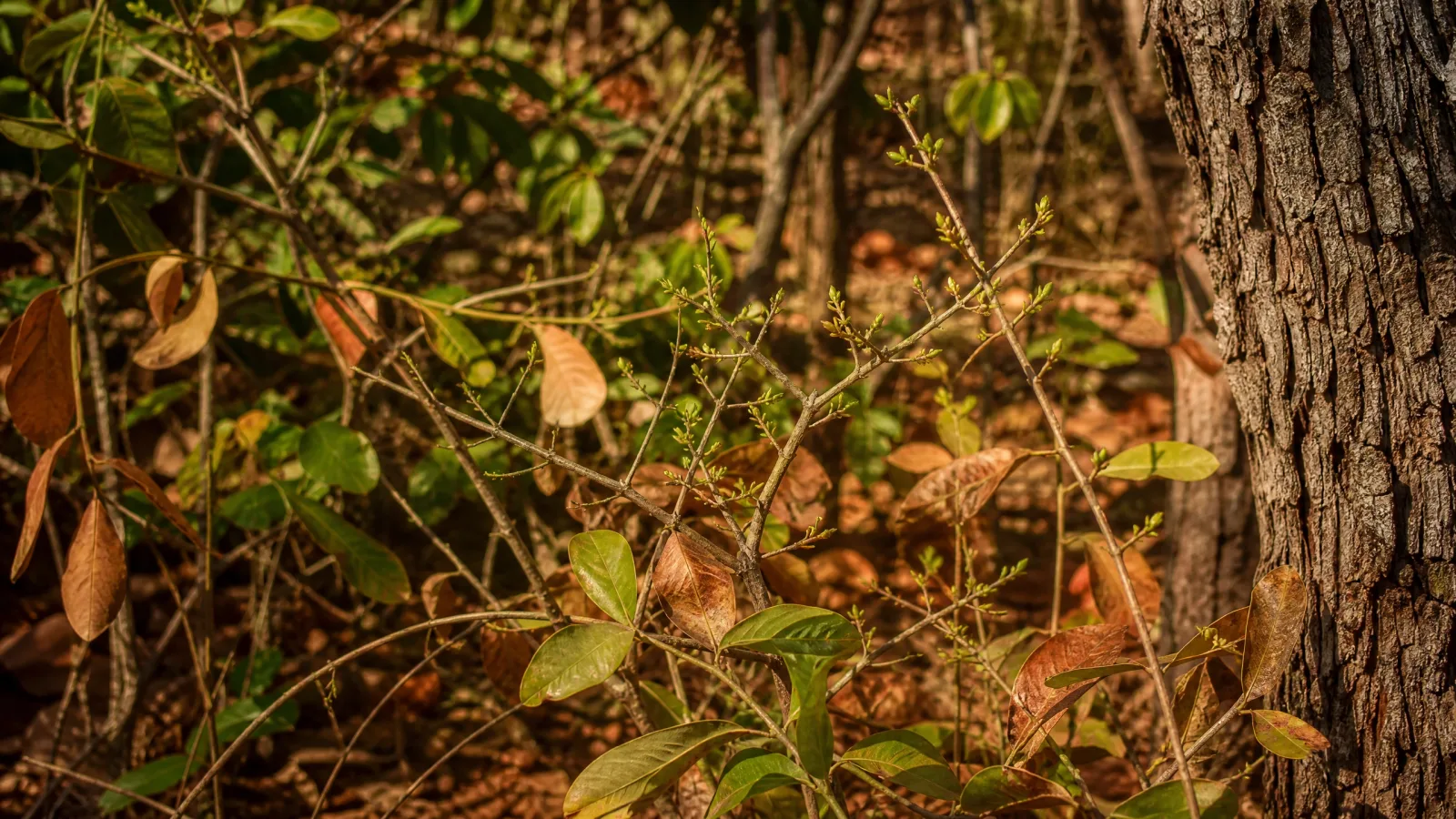
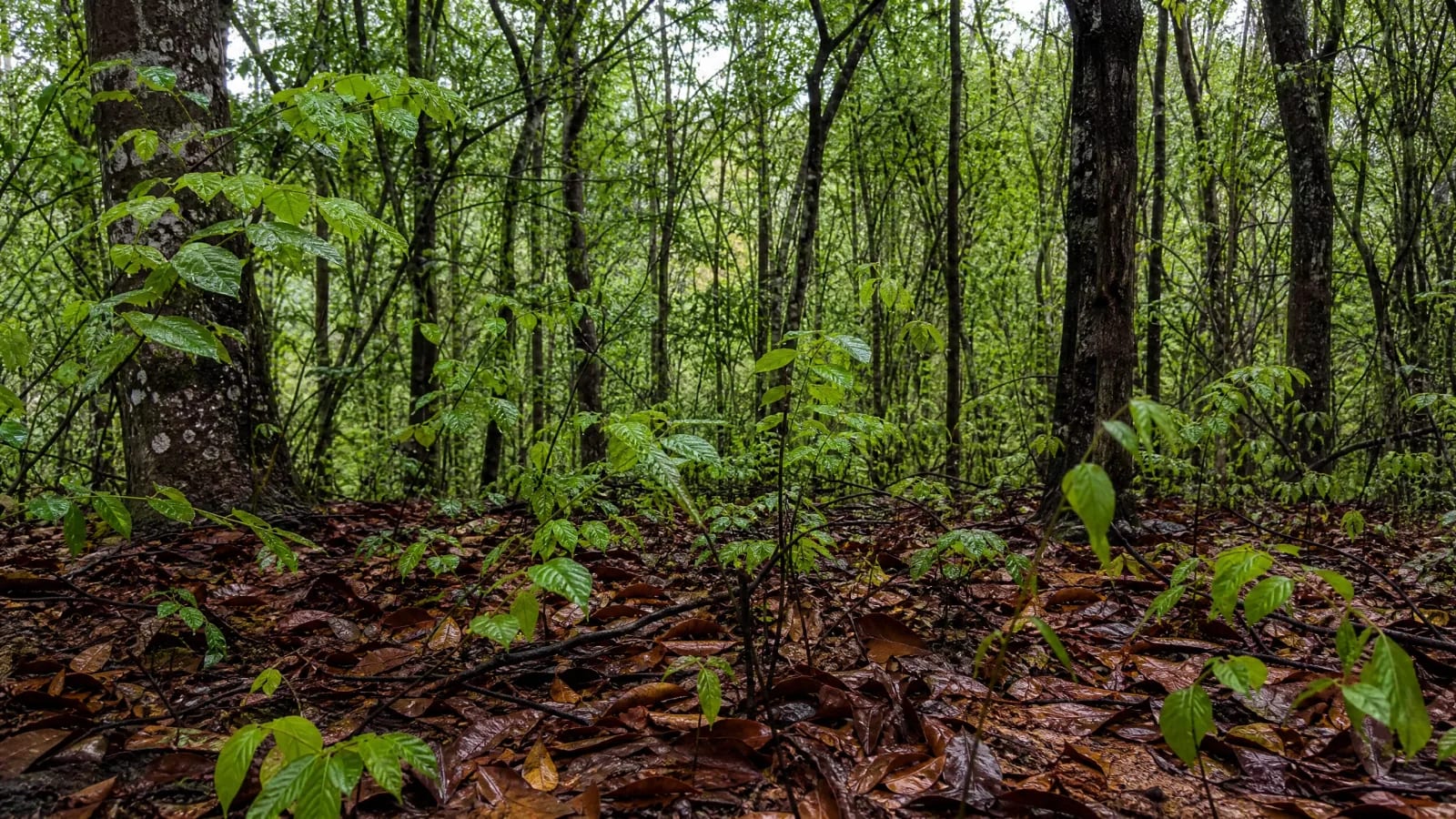
The forest gathers trees that respond unevenly to drought: some lose part of their crowns, others retain their leaves, and the understory rearranges the light it receives. This difference creates shelter and food. The fragment seen from afar is only the frame; diversity also lies at the edges, in the leaf litter, on the branches, and in what is reborn after the rain. 1 3
II · Water and rhythm
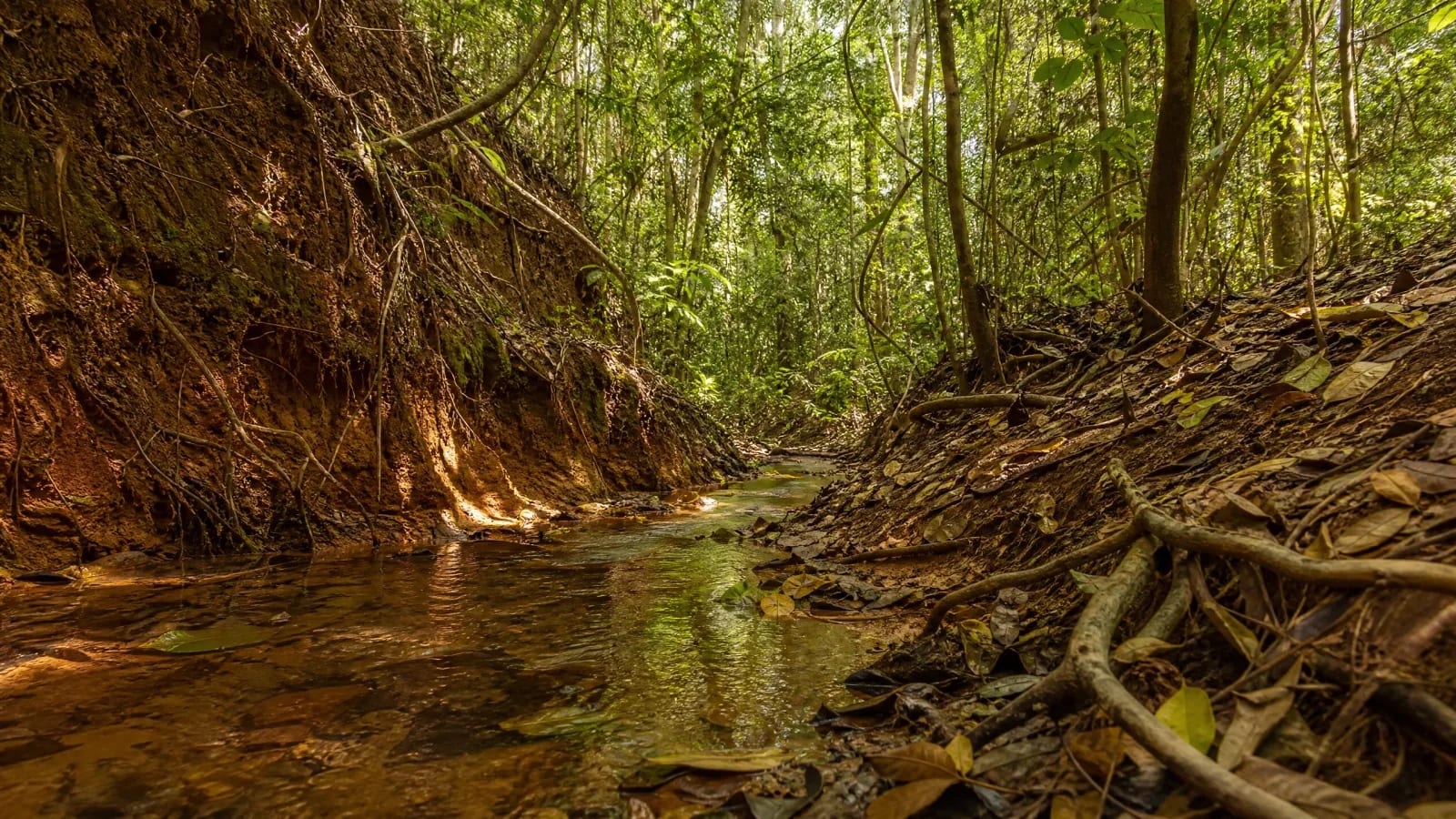
Water does not disappear when the canopy brightens; its scarcity becomes legible. Roots, soil, and organic matter take part in the passage between one rain and the next, while shade returns at different times. The question is concrete: how much moisture and protection can this fragment still hold?
III · Work and territory
No formation exists beyond human choices.
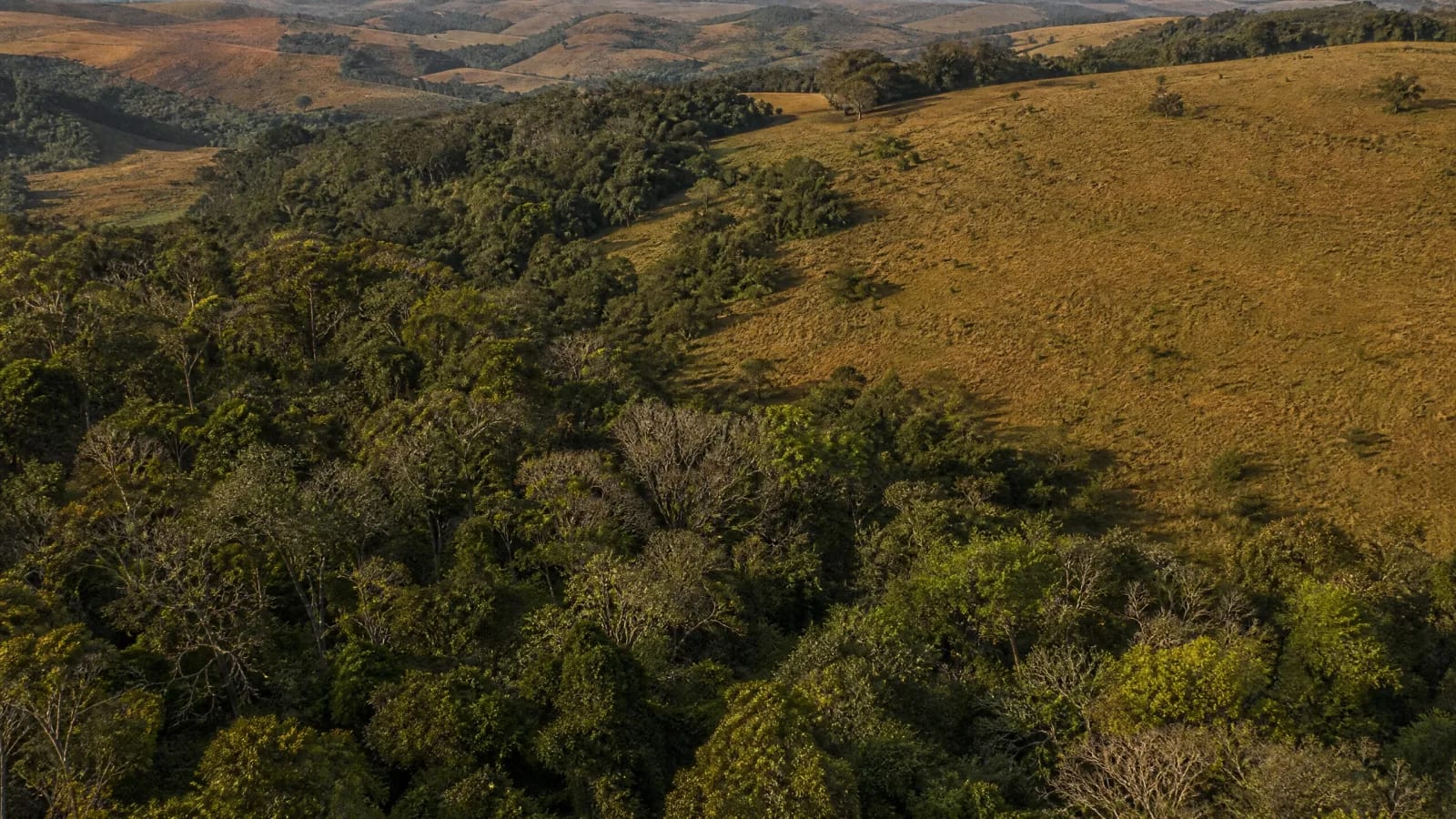
In the Mata Sul, sugarcane and other crops are part of the territory’s economic history. Embrapa itself records that this formation was almost entirely replaced by various crops across its regional area. Alongside production, remnants, springs, corridors, and restoration remain: a material negotiation over space, water, and continuity. 2
Preserving a fragment also means choosing its surroundings: protecting edges, connecting patches, conserving soil, and allowing regeneration time. Restoration requires recognising local composition, forest age, and the paths of seeds, animals, and water. Every decision changes the scale of what may return.
IV · The connection we forget
The territory remains present after the product leaves the stage.
In Pernambuco’s Mata Sul, sugarcane sustains regional income and culture, while the historical expansion of crops reduced the Seasonal Semideciduous Forest (Floresta Estacional Semidecidual); the visible chain links planting, territory, and the loss of remnants. The Atlantic Forest Act establishes rules for clearing native vegetation, which vary according to the stage of regeneration and the relevant authorisation. The question is not who should be blamed, but how to produce without making irreversible the landscape that also sustains water, soil, and the future. 2 4
Observe: the percentage of absent leaves in the canopy. Trace: the distance to another fragment, the watercourse, and the nearest crop. Ask: what does the first rain reveal — regeneration, erosion, shoots, or merely another layer of pressure? Beauty begins to indicate relationships.
V · Precision
Criticism matters only when it respects evidence.
A fragment does not represent the entire formation, and a dry season does not justify concluding that the forest is dead. The presence of a crop alone does not prove a causal chain. This page follows specific signs and sources; it does not turn the Atlantic Forest into a uniform landscape or assign intentions to people, companies, or countries.
To look at this formation is also to learn not to simplify it.
The Seasonal Semideciduous Forest (Floresta Estacional Semidecidual) offers a lesson in reading: what loses part of its foliage may be precisely preserving its ability to endure the season. When light enters, we see absence; looking more closely, we see strategy, memory, and possibility. The return of green does not erase the interval — it makes it visible.