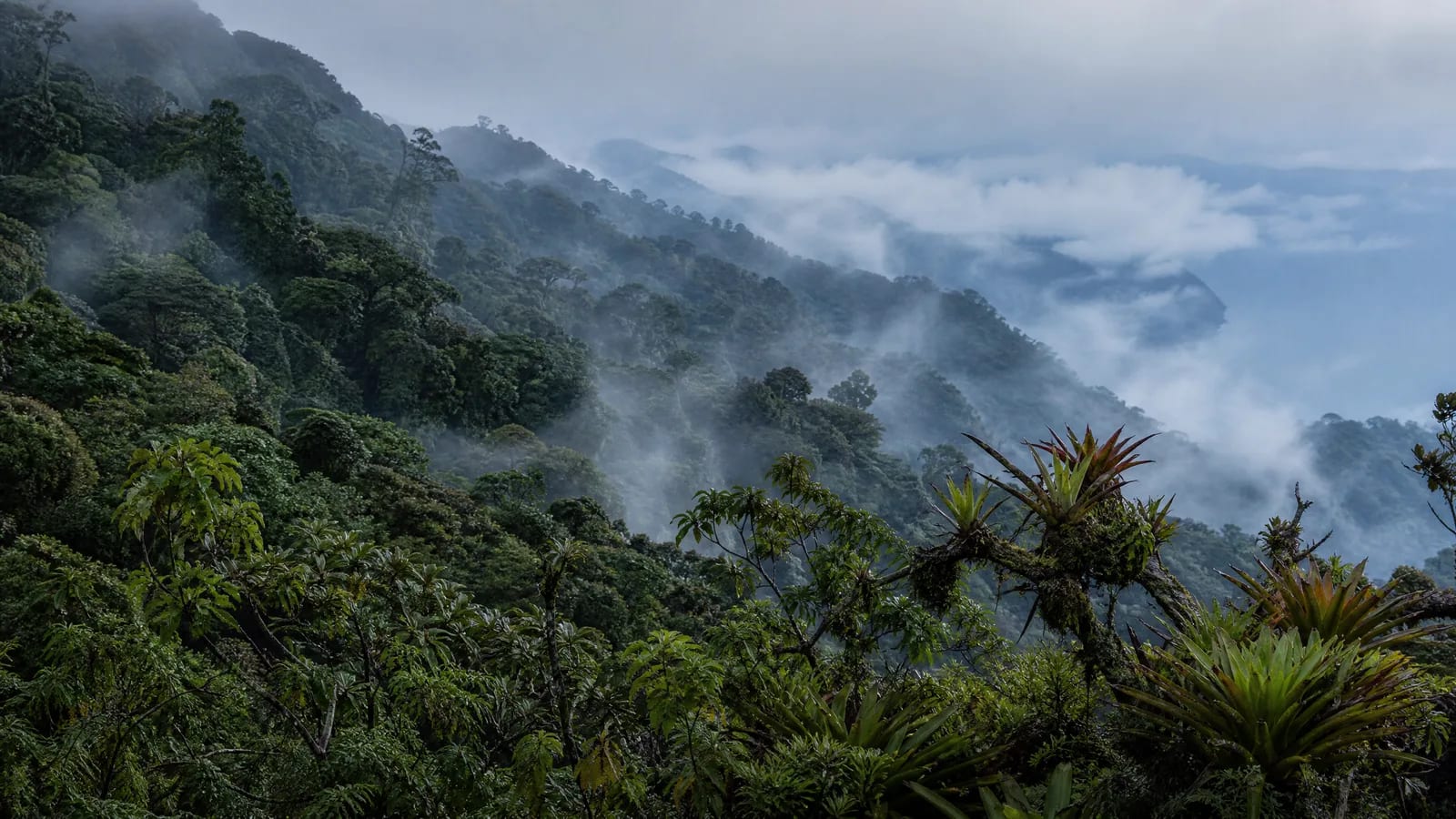
Brazilian biomes · a documentary crossing
Atlantic Forest (Mata Atlântica)
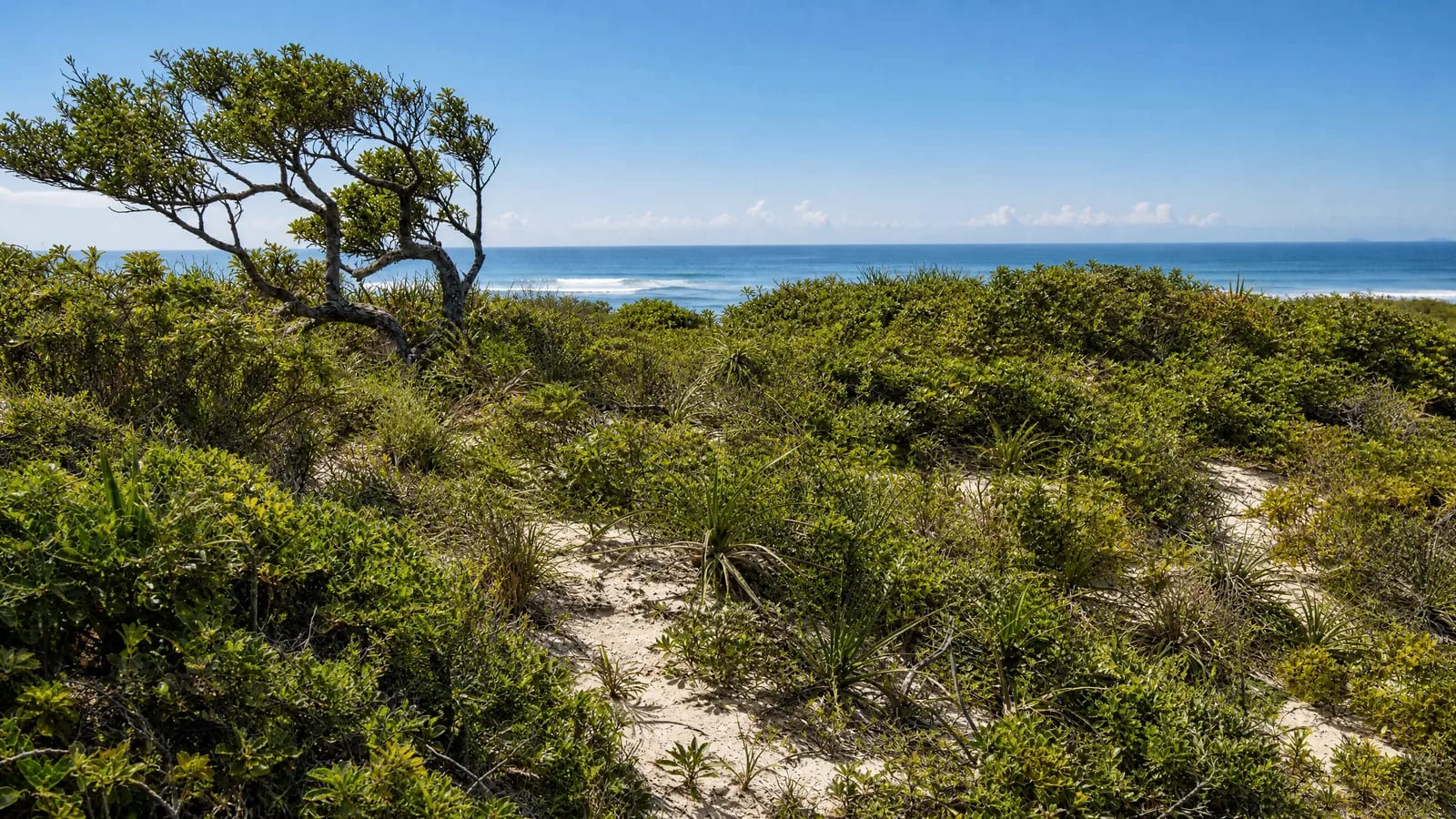
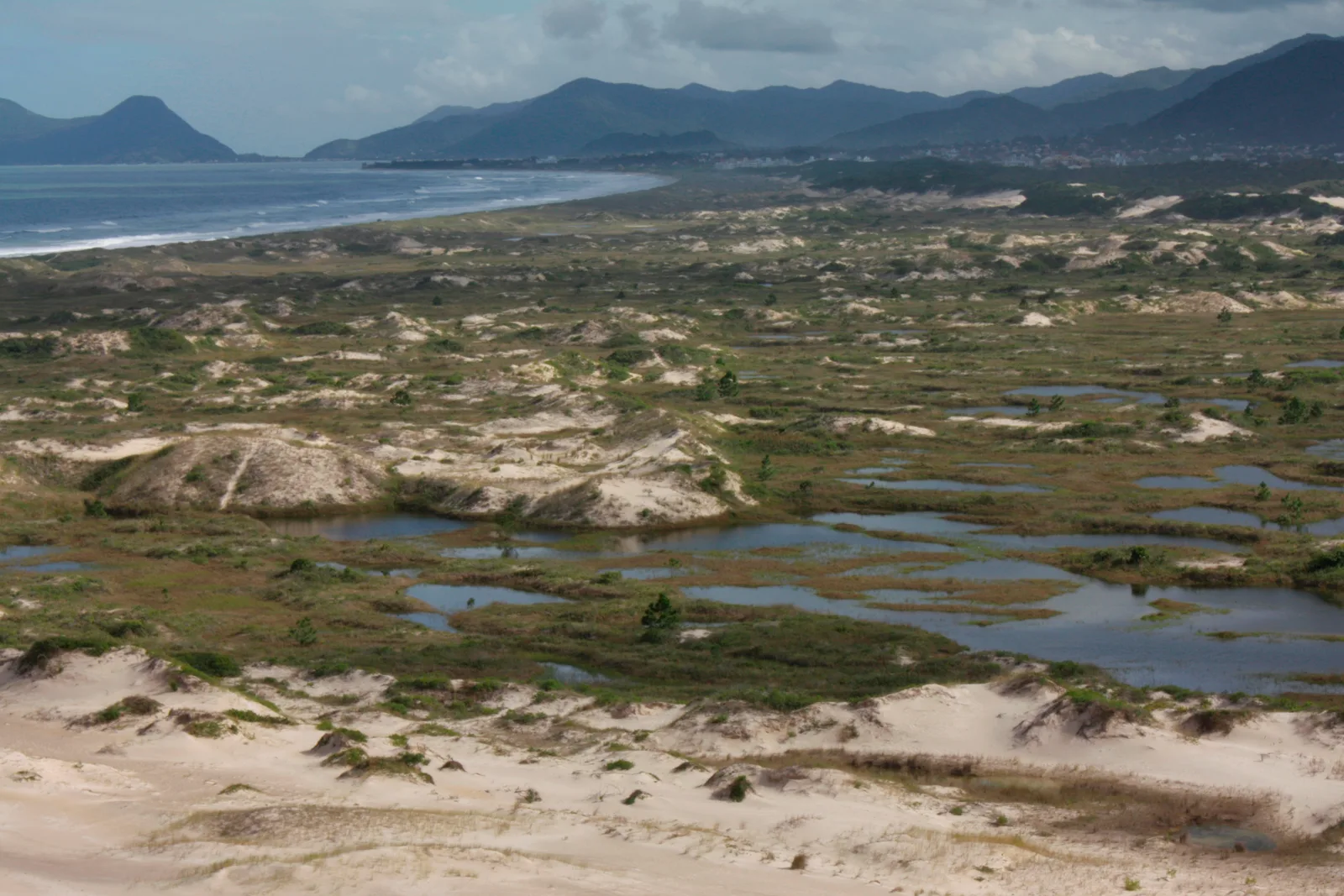
On the restinga (coastal sandbank) of Maricá, the Atlantic Forest meets the ocean in sand, lagoons and coastal vegetation. The horizon appears open, but the landscape is a living system, traversed by human uses and by decisions about the land's future.
A landscape of encounter
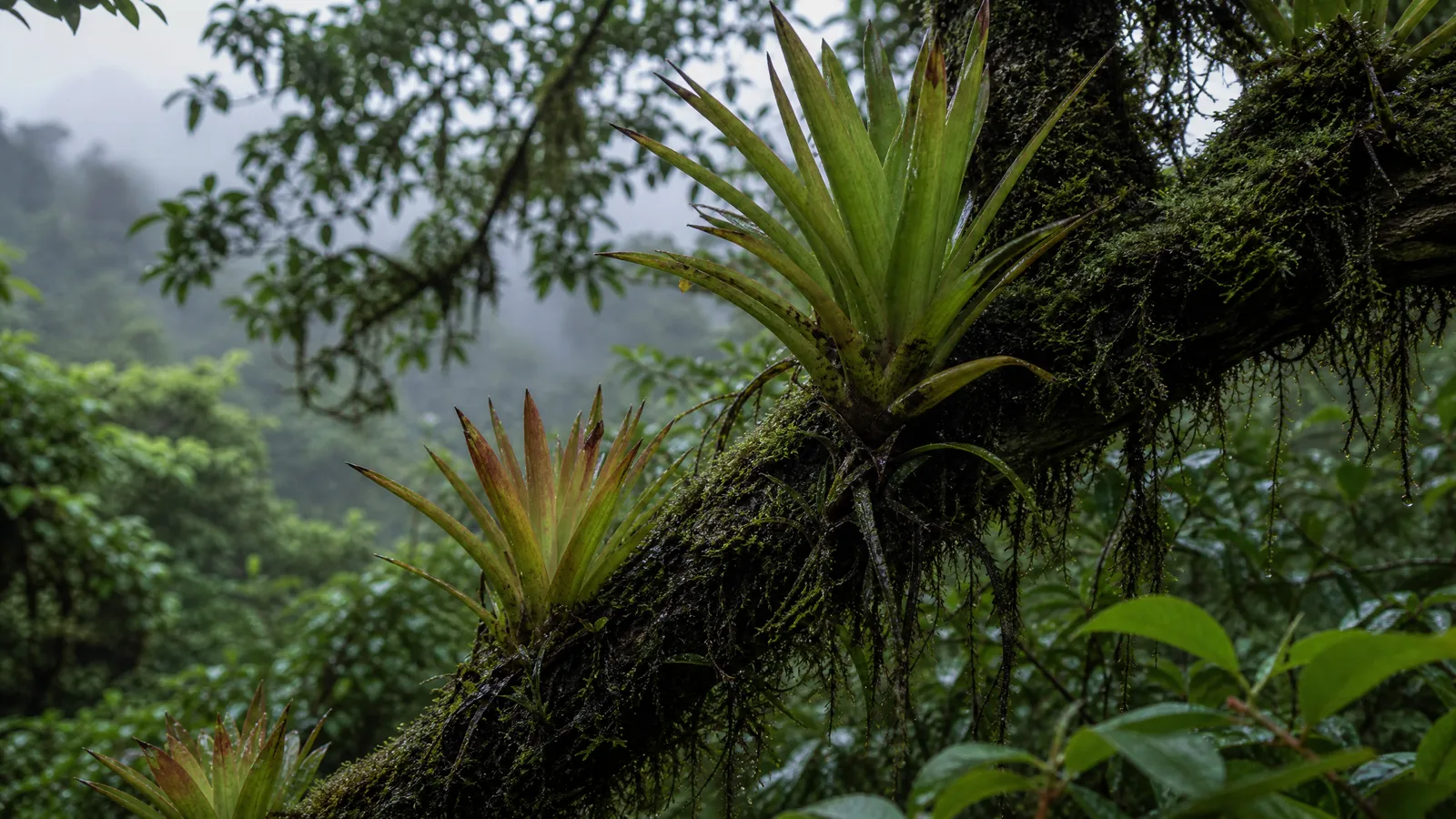
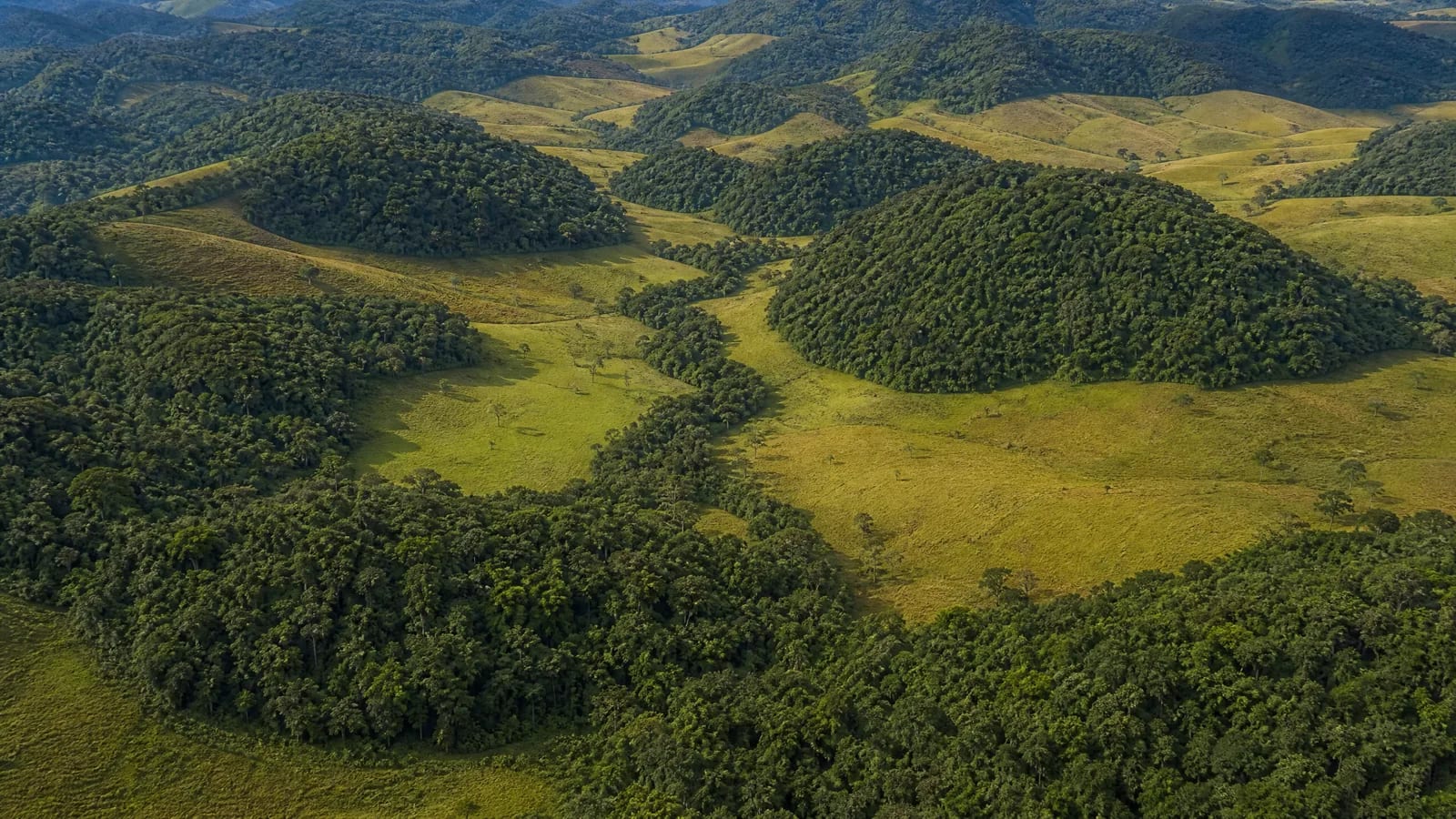
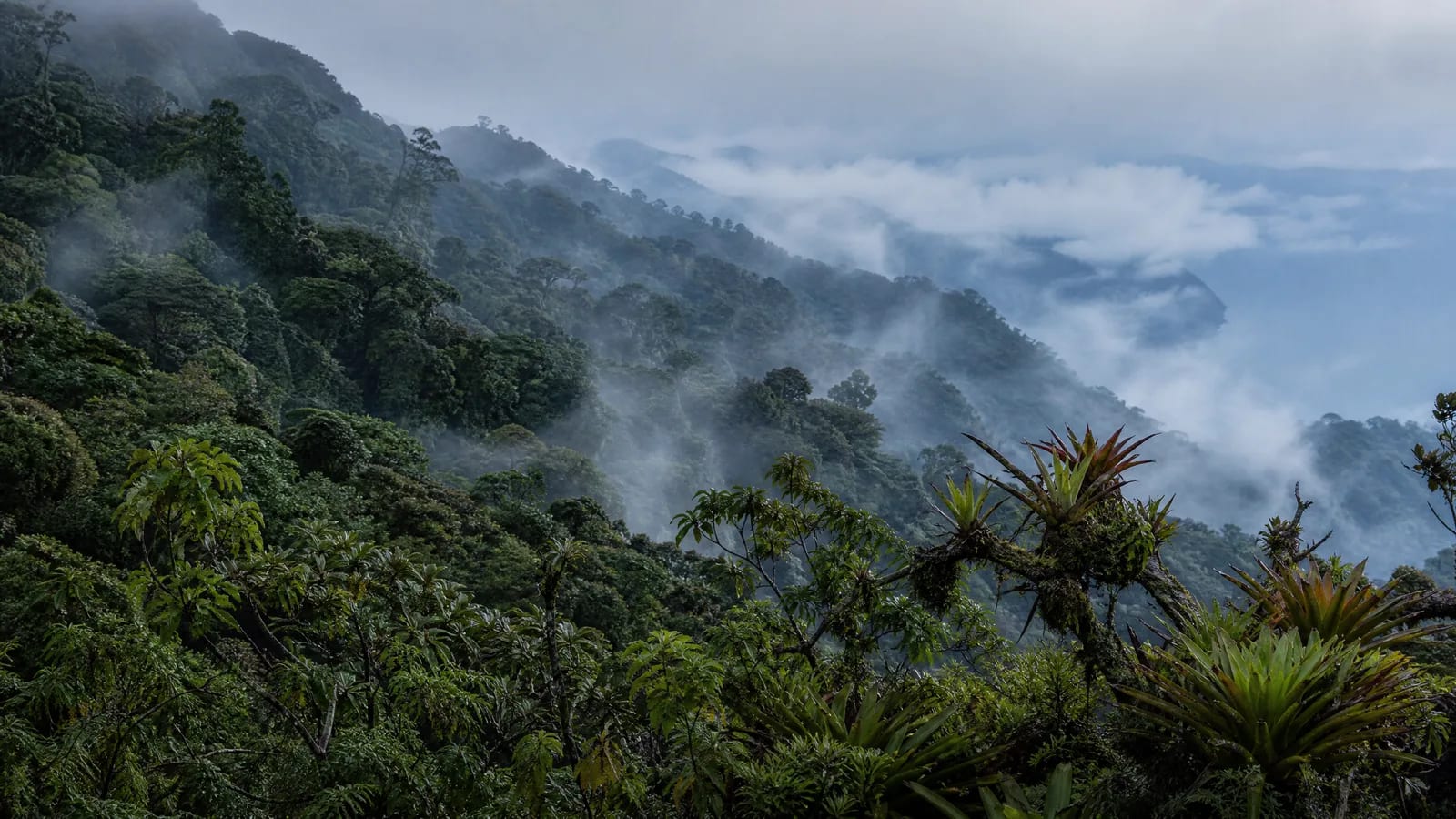
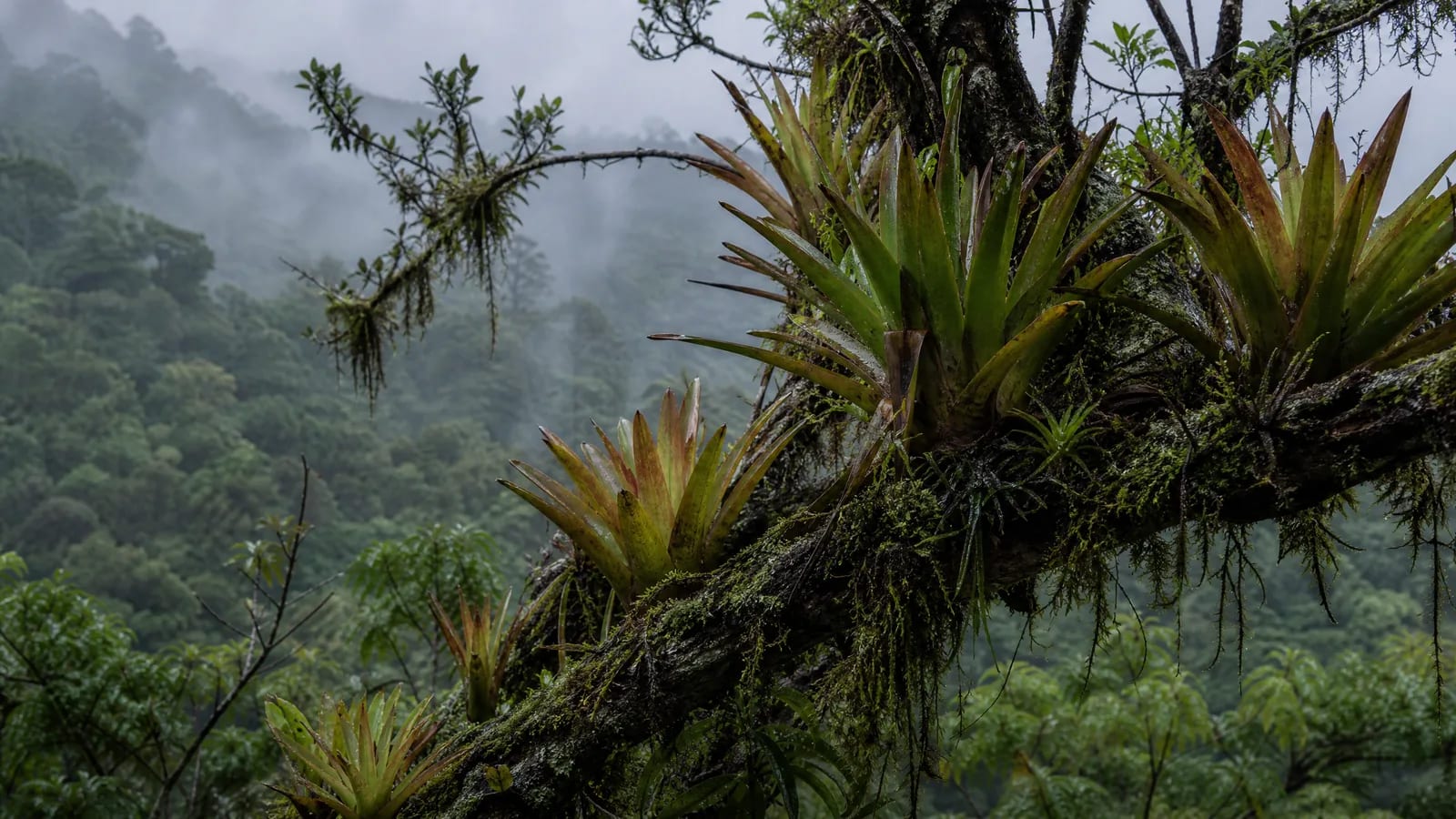
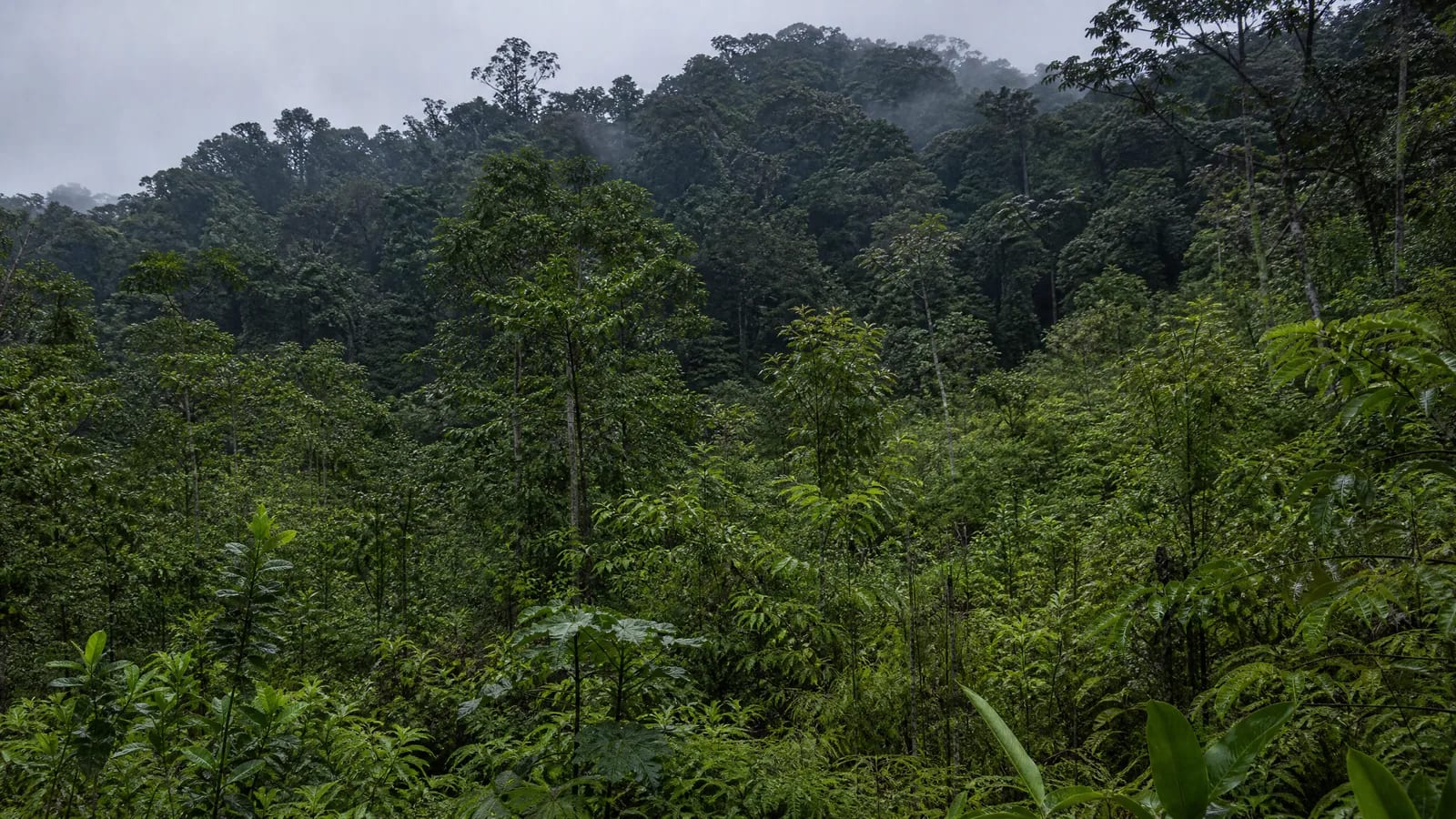
The Atlantic Forest is more than closed-canopy forest: it includes restingas (coastal sandbanks), coastal formations and fragments subjected to distinct pressures.
I · Many worlds in a single biome
The landscape is not a void between two extremes.
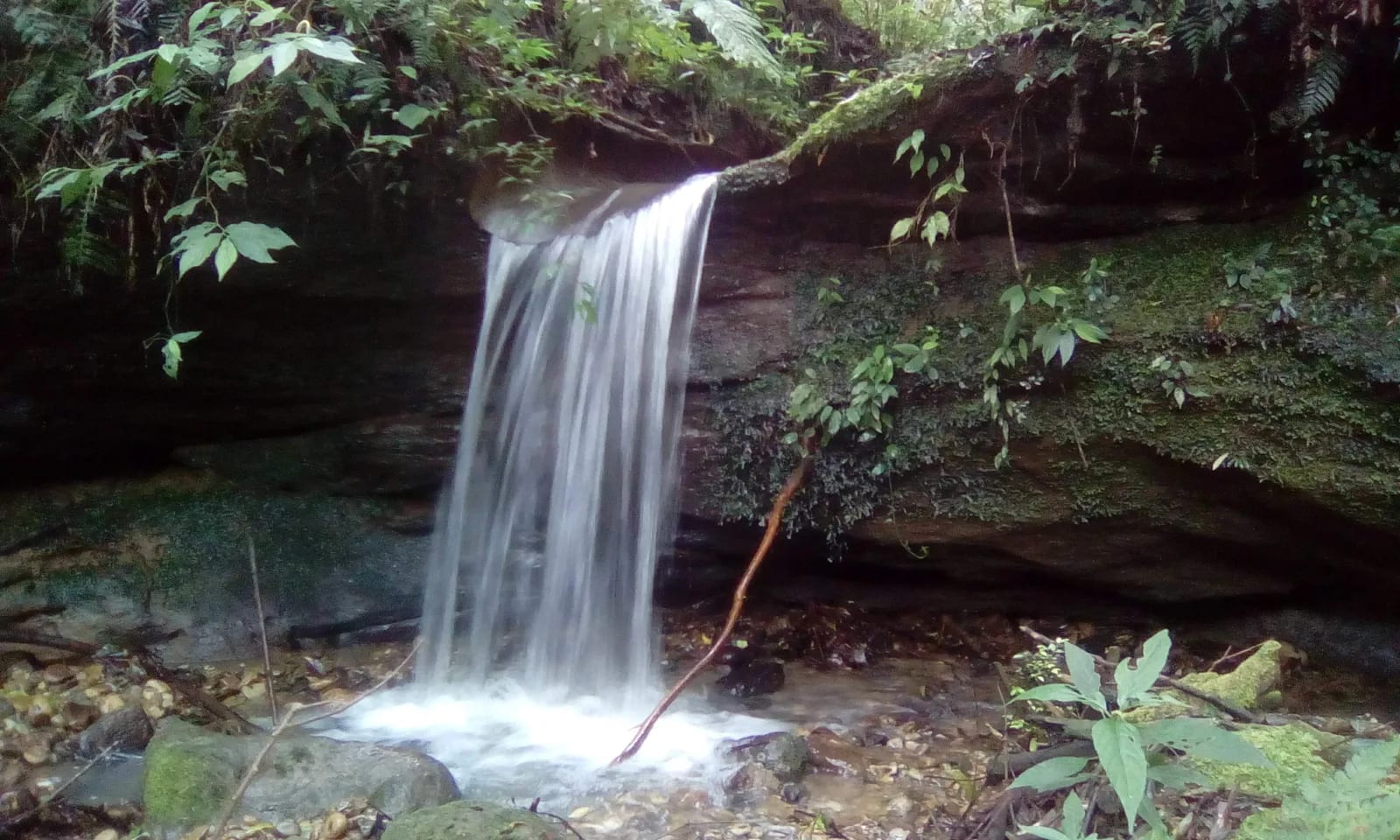
In the Maricá Environmental Protection Area, the restinga (coastal sandbank) overlaps lagoons, coastal vegetation and forest remnants. The territory also houses the fishing community of Zacarias and the Guarani indigenous community Aldeia Mata Verde Bonita. This coexistence prevents treating the area as empty between the beach and the city. A RIMA study pointed to negative impacts described generically and apparent neglect of the indigenous community, with possible risk of removal — risk documented, not removal proven. 4
A crossing in images
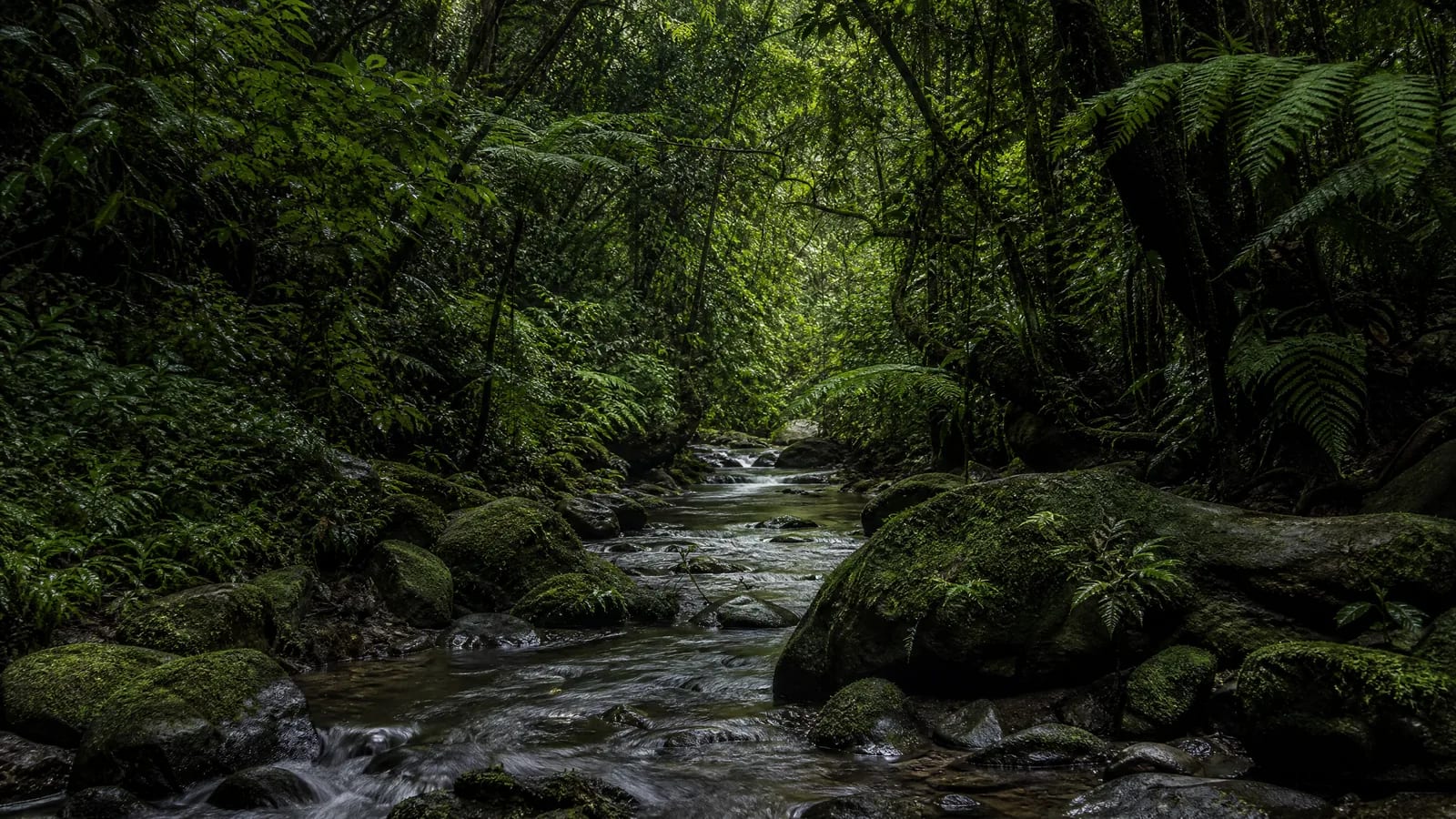
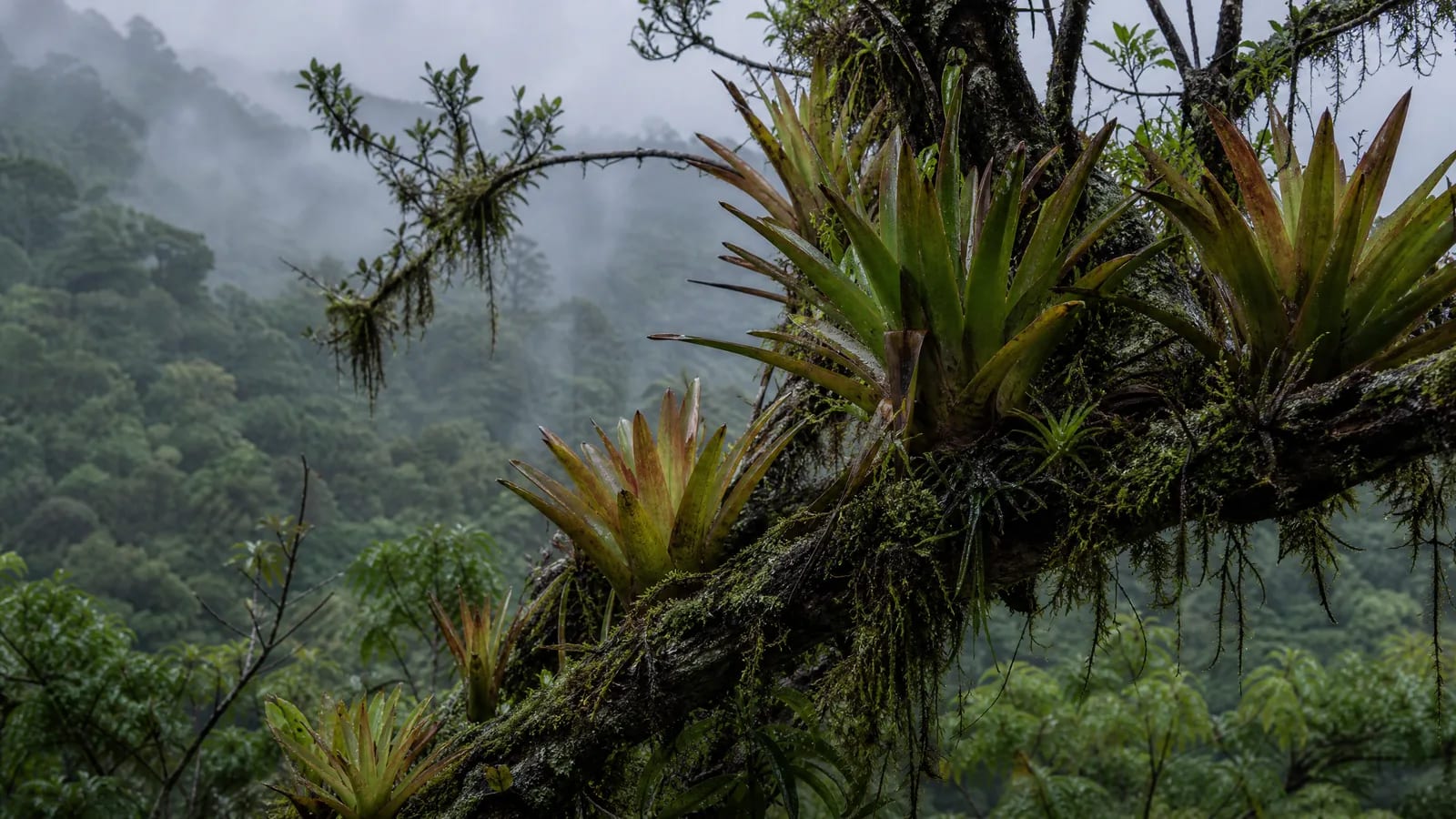
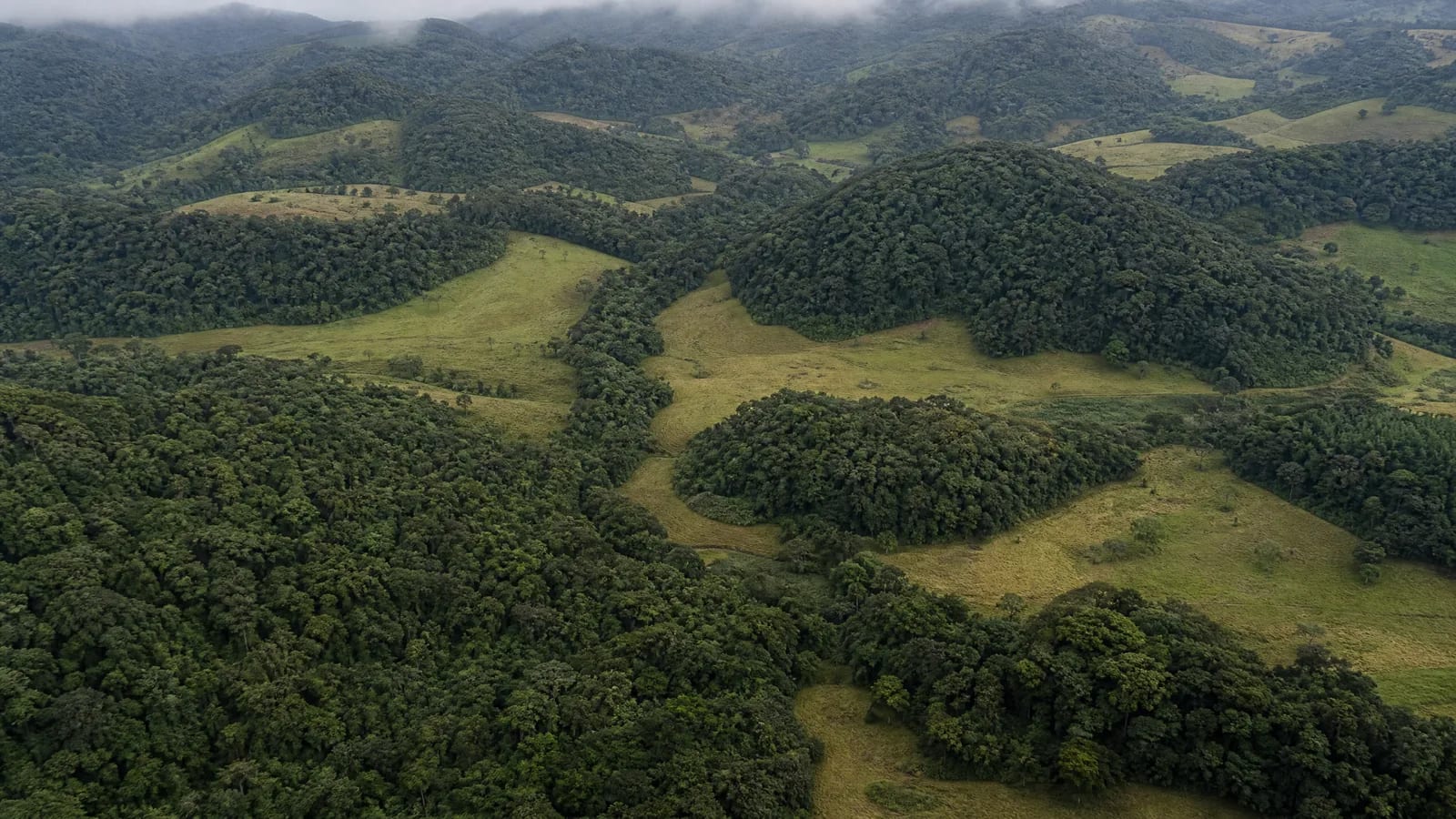
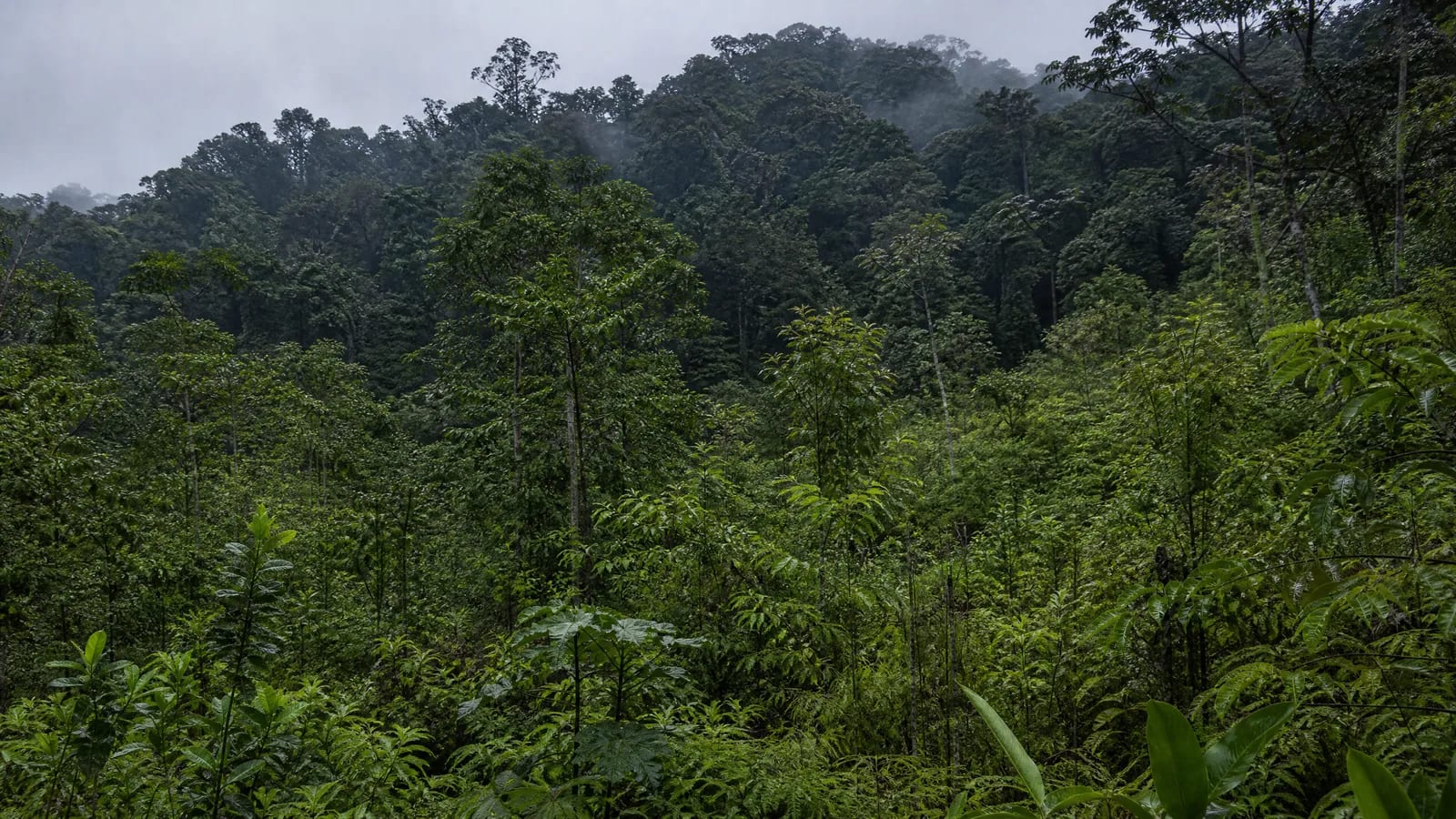
II · Water, soil and time
The cycle is not a backdrop: it organizes life.
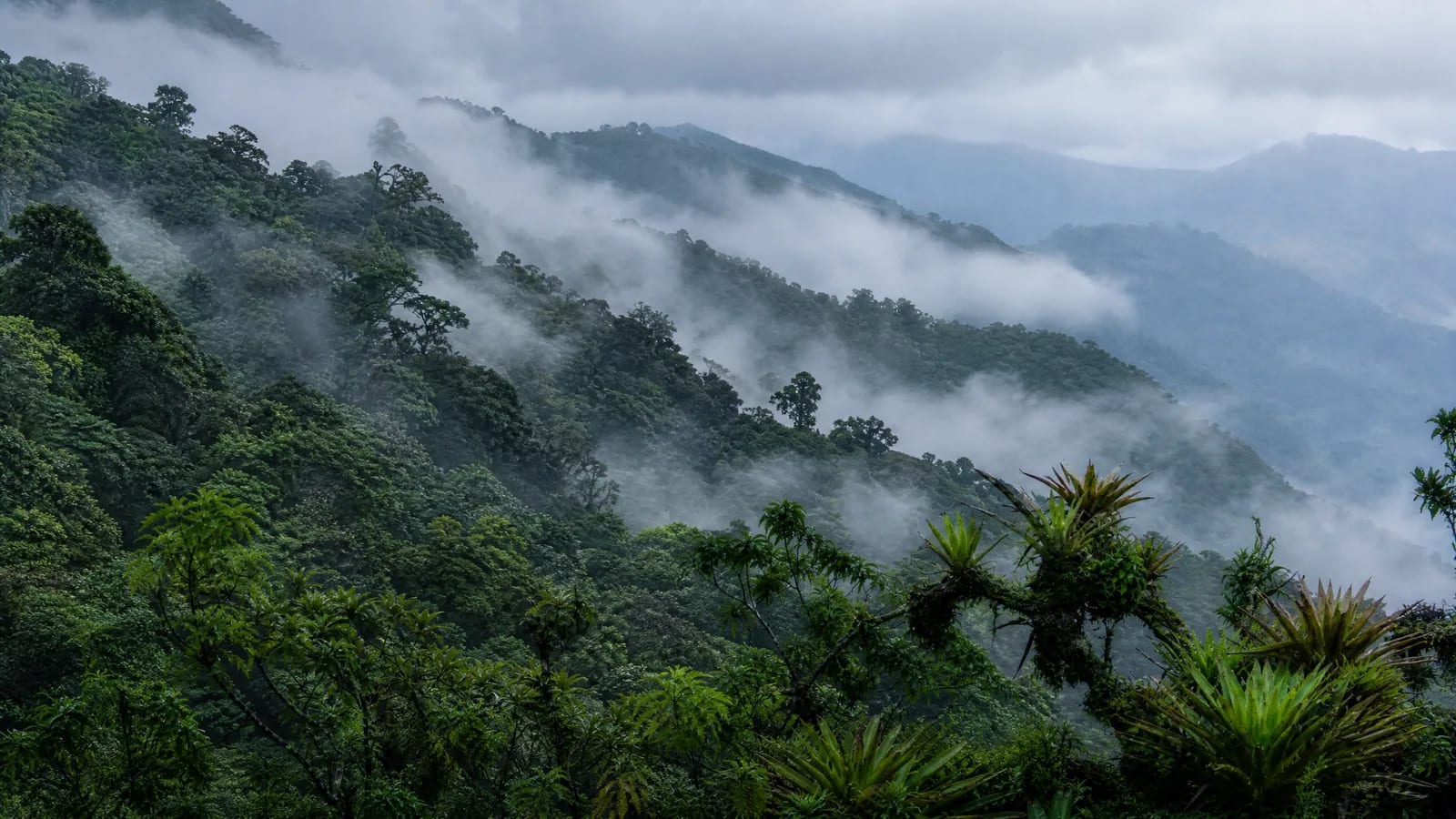
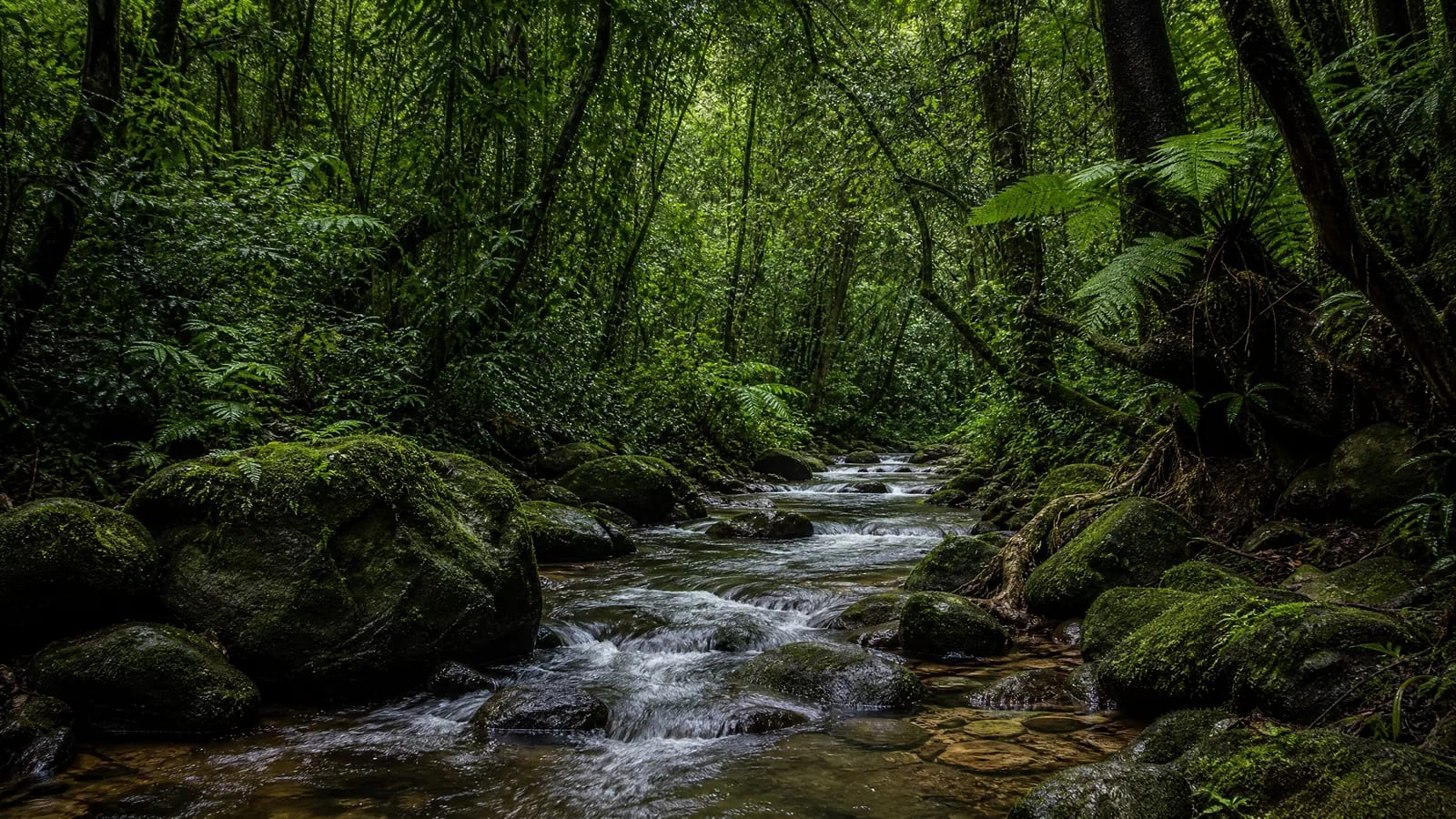
Sandy soil, vegetation, lagoons and the coast form material relationships that need to be considered before any conversion. The evidence gathered does not measure a specific hydrological effect of the Maricá project; it does not allow claiming a particular harm or ecological neutrality. Drainage, recharge, floods, sanitation and conditioning factors must be verified in updated studies, permits and monitoring.
III · Work, production and knowledge
A landscape also supports people.
Artisanal fishing and the Indigenous presence predate the project and express ways of life tied to the territory. Maraey is presented by the Ministry of Tourism as an investment in an area of high environmental value, with hotels, services and facilities planned. However, in the material gathered there are no primary data proving jobs, revenue, income distribution, sanitation, water consumption or public access generated by the enterprise. The economic promise remains to be verified.
IV · Choices before the showcase
To produce is to choose what the landscape will have to bear.
To license is to choose which impacts will be measured, who participates, which uses are recognized and which commitments will be monitored. On May 26, 2023, the STJ reported the precautionary suspension of the works and of the authorizations and licenses granted to IDB Brasil Ltda. The decision confirms a relevant controversy, but it is not a definitive judgment of illegality or environmental infeasibility. 5
V · When the conversation comes from afar
The chain does not end at the border.
On the coast of Maricá, Maraey appears on the Ministry of Tourism's Investment Portal as a tourism project in an area of “very high environmental value”, while an academic study and a court decision record controversies over impacts, communities and licensing. O Eco describes it as a mega-development linked to a Spanish group and international hotel partners, and notes opposition from Guarani indigenous people. The literature on 53 tourism real-estate complexes on the northeastern coast found strong foreign participation and cases embargoed, inconclusive or under construction, as well as spatial appropriation and social segregation. This regional pattern does not prove Maricá's outcome. The question is who captures the appreciation and who bears its costs.
The question that remains
An area can be protected in discourse and, simultaneously, valued as real estate. Sustainability only exists when impacts, participation, benefits and losses can be demonstrated.
VI · The limit of inference
Criticism is only valid when it does not exceed the evidence.
The case does not prove illegality, corruption, fraud, Indigenous displacement or a realized hydrological harm. The injunction is not a conviction; the risk of removal is a possibility. There is also a lack of documents to assert control by international partners or actual economic benefits.
VII · What remains
A landscape that demands more than a ready-made opinion.
The restinga (coastal sandbank) of Maricá returns to view as an inhabited, regulated and contested landscape. The question is not to celebrate or reject all tourism, but to require proof about what already exists, what will be altered, who decides and who may remain. Until then, the responsible conclusion is provisional.
After the evidence
The restinga (coastal sandbank) of Maricá returns to view as an inhabited, regulated and contested landscape. The question is not to celebrate or reject all tourism, but to require proof about what already exists, what will be altered, who decides and who may remain. Until then, the responsible conclusion is provisional.
Looking to the end is also a way of caring.
The restinga (coastal sandbank) of Maricá returns to view as an inhabited, regulated and contested landscape. The question is not to celebrate or reject all tourism, but to require proof about what already exists, what will be altered, who decides and who may remain. Until then, the responsible conclusion is provisional.
📚 References
- 1.INPE — Atlas of the Atlantic Forest 2024–2025
- 2.Fundação SOS Mata Atlântica — Atlas of the Atlantic Forest and methodology
- 3.Sousa, Matias e Selva — From residential tourism to tourism real-estate complexes
- 4.Carraco et al. — Analysis of the resort project in the APA of Maricá
- 5.STJ — Rapporteur suspends works of tourist and residential enterprise in Maricá
- 6.Ministry of Tourism — Maraey, Investment Portal
- 7.O Eco — Resort of a Spanish group has a heated conflict in the APA of Maricá