Flavors · Recipes
Recipes from across Brazil
From coastal dishes to Minas quitandas, from festival sweets to cachaça batidas. Every recipe opens a door to a region, a culture, and a sip.
293 recipes
All recipes(293)
Click the map to filter by regionClick a region on the map
Loading map…
 DishesEasy
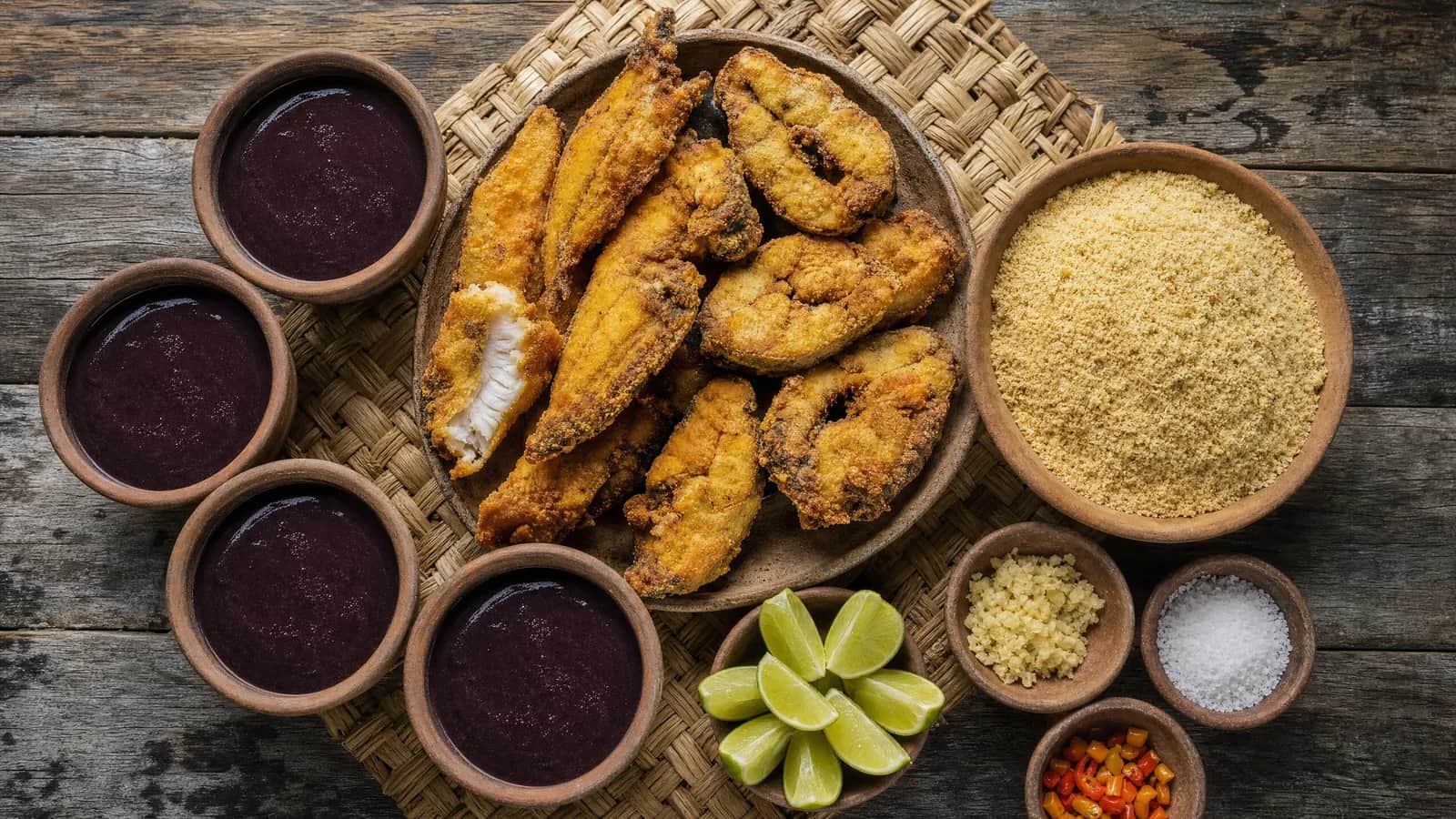
Açaí com Peixe Frito e Farinha d'Água
Amapá · North
Unsweetened vinho de açaí—the thick blended pulp of the dark Amazonian palm berry—joins fried fish and farinha d’água in an everyday meal at the mouth of the Amazon. It is an Amazonian tradition shared with Pará, presented here through Amapá’s table, where açaí is treated as savory food.
View recipe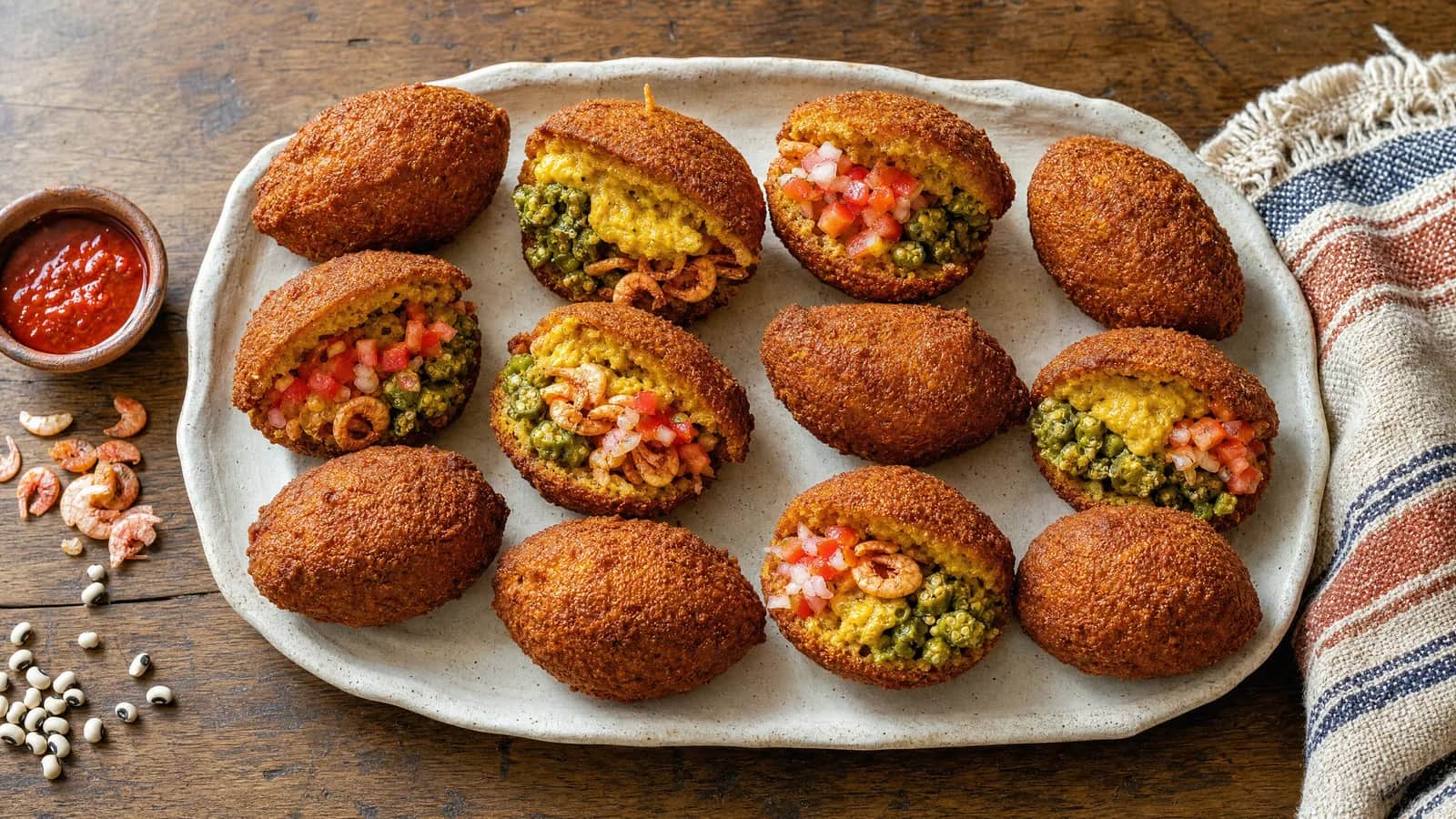 DishesHard
Acarajé
Bahia · Northeast
Acarajé — a black-eyed pea fritter fried in dendê oil — is made from hulled, ground black-eyed peas and split to receive vatapá, caruru, dried shrimp, salad, and chile sauce served on the side.
View recipe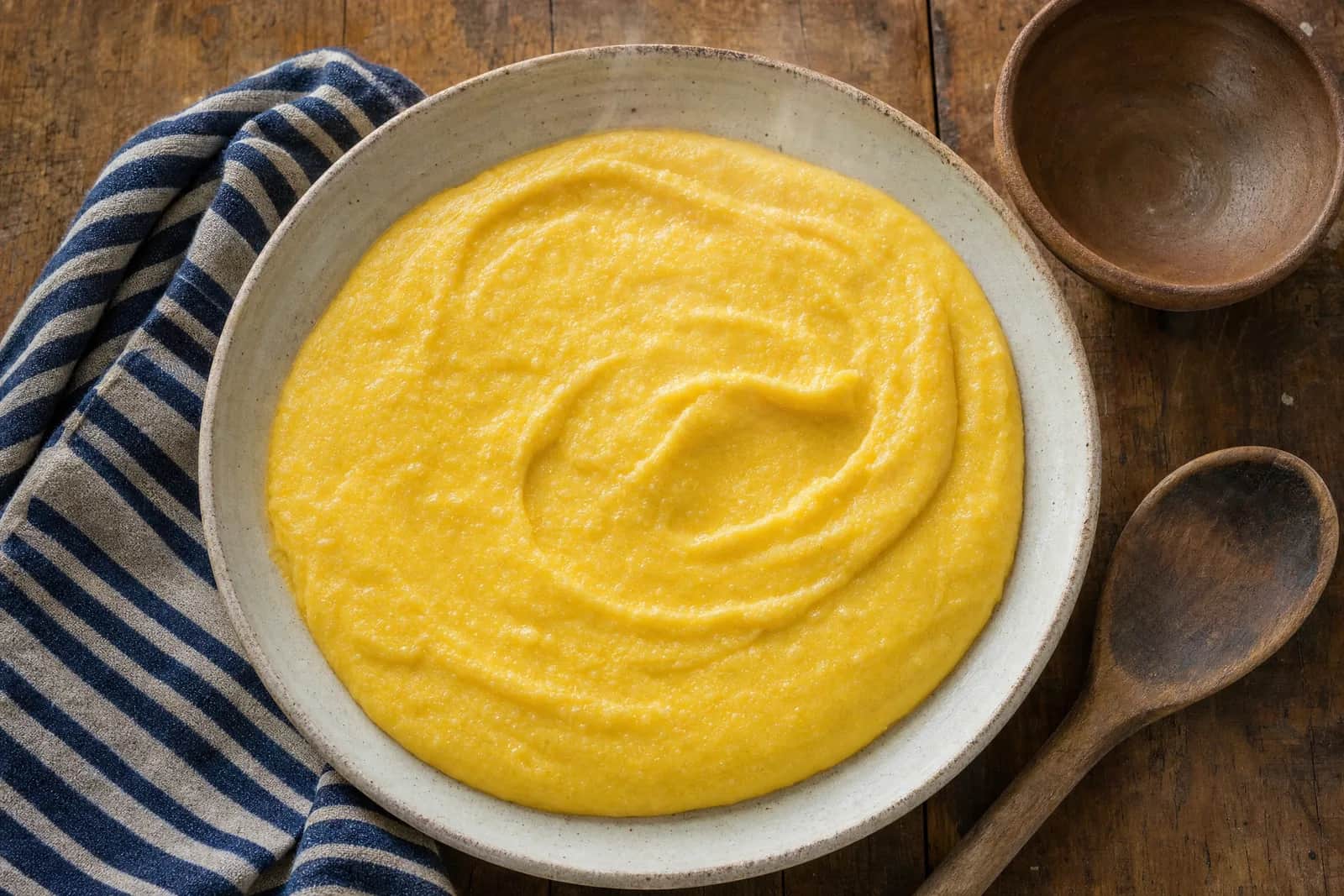 SidesEasy
Angu de Fubá Mineiro
Minas Gerais · Southeast
Served steaming, angu de fubá — a soft porridge of fine cornmeal — spreads in the serving dish as a golden, yielding layer, made to receive the broth from chicken with okra, pot-roasted meat, or a ladleful of beans.
View recipe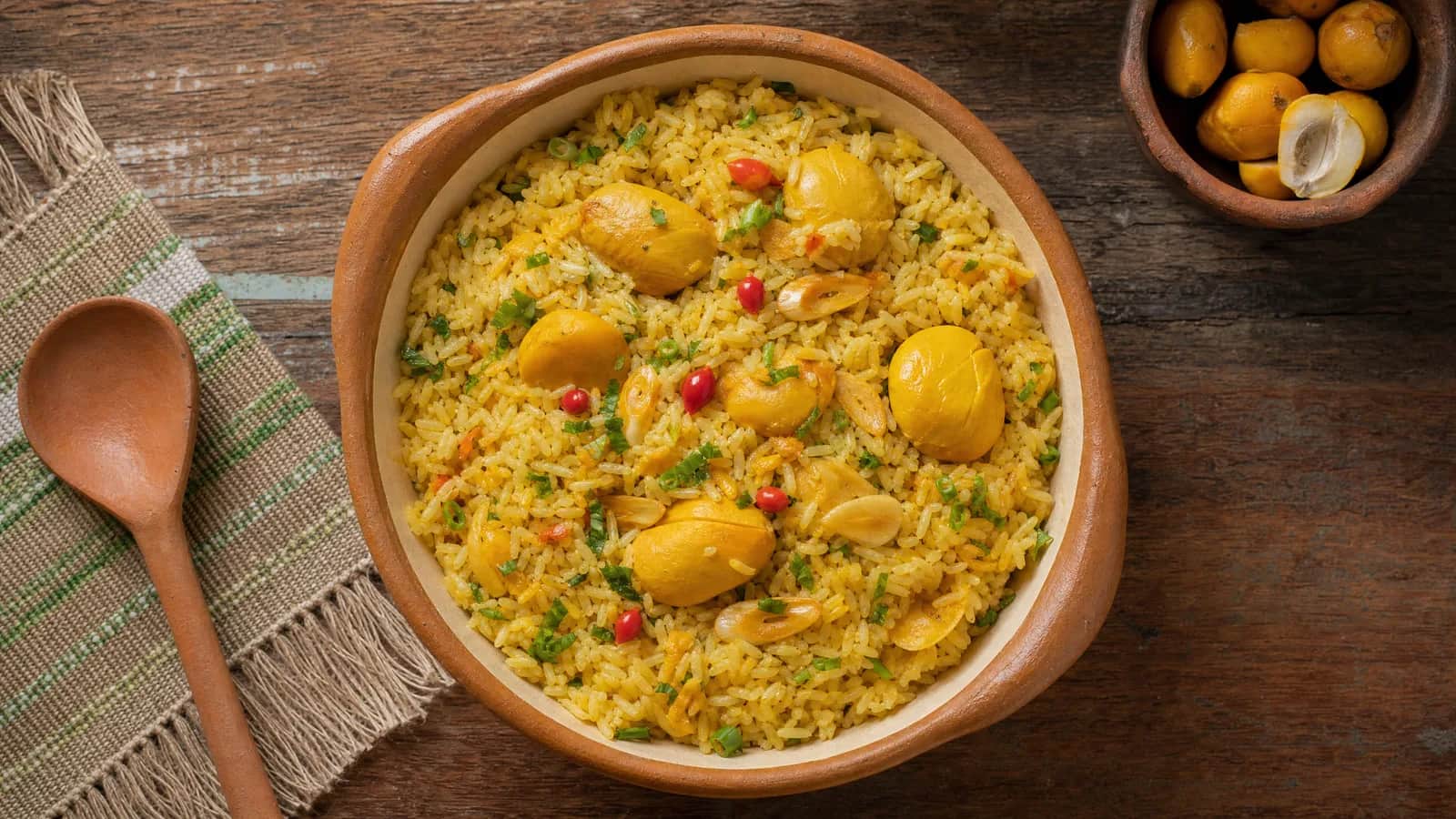 DishesEasy
Arroz com pequi
Goiás · Central-West
Few dishes say so much with so little: rice, garlic, chili, and pequi—a pungent Cerrado fruit with a stone. When the lid comes off, the fruit's aroma fills the kitchen, turning a side dish into a statement of origin.
View recipe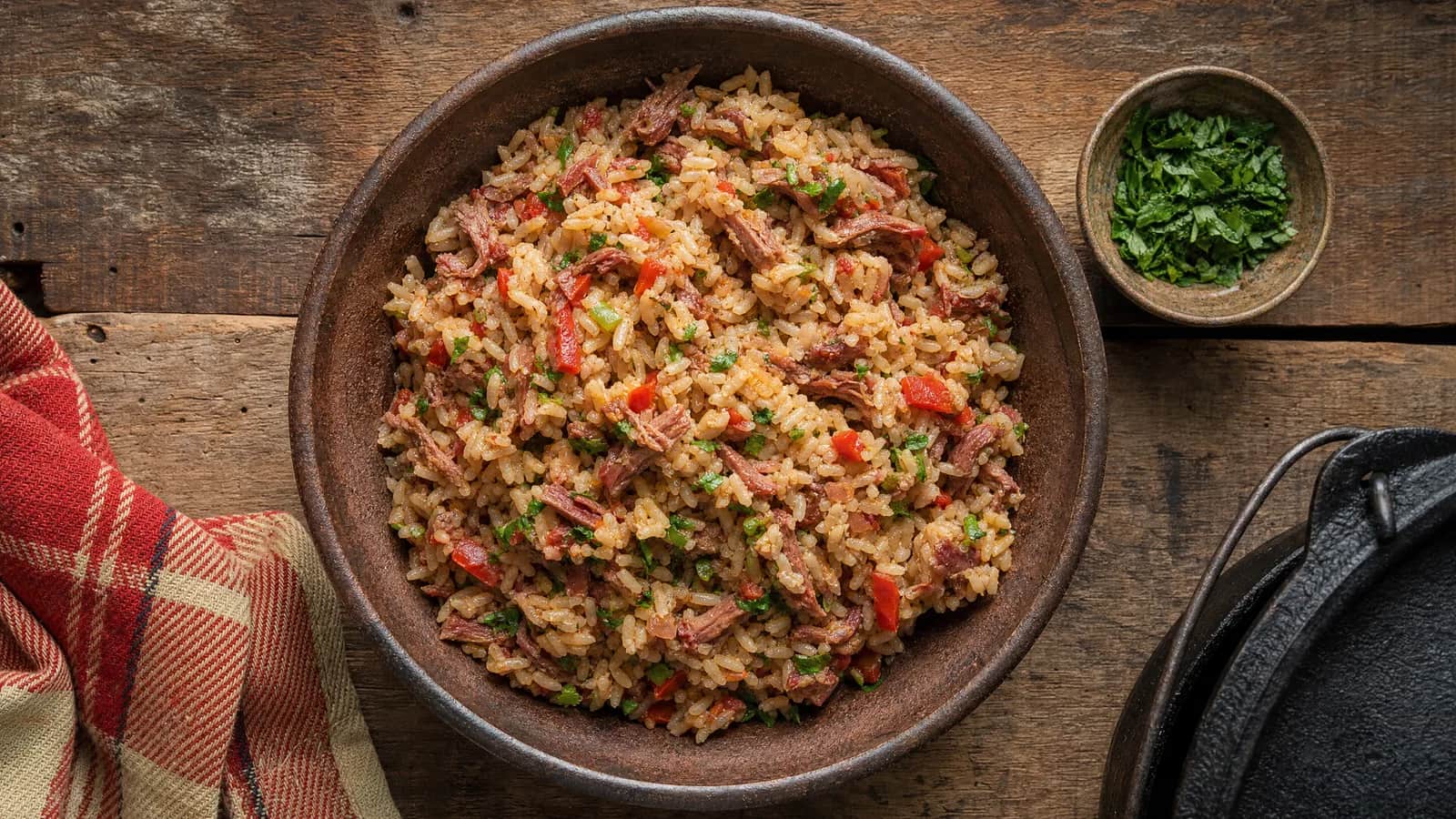 DishesEasy
Arroz de Carreteiro
Rio Grande do Sul · South
Arroz de carreteiro — rice cooked with dried beef — brings together rice, desalted charque, and a sauté of onion and tomato. A single pot concentrates the memory of the carreteiros, their carts, and the preserved meat that crossed long distances.
View recipe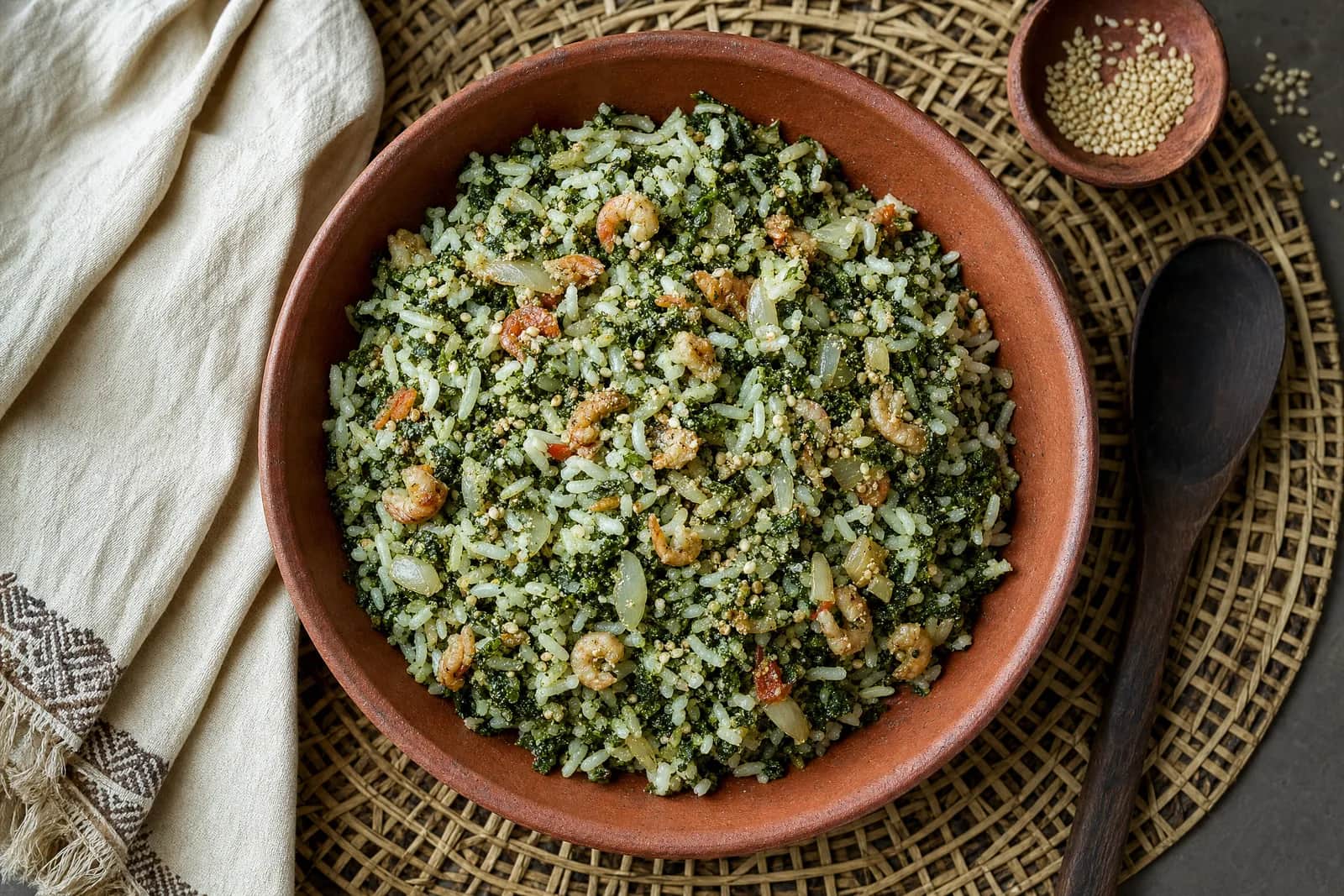 DishesMedium
Arroz de Cuxá
Maranhão · Northeast
In Maranhão, arroz de cuxá is more than a side dish: it brings rice together with a sauté of vinagreira — the tart leaf of Hibiscus sabdariffa — dried shrimp, toasted sesame, and cassava flour. Served beside fried fish or shrimp, it carries to the table the acidity that has made the cooking of São Luís unmistakable.
View recipe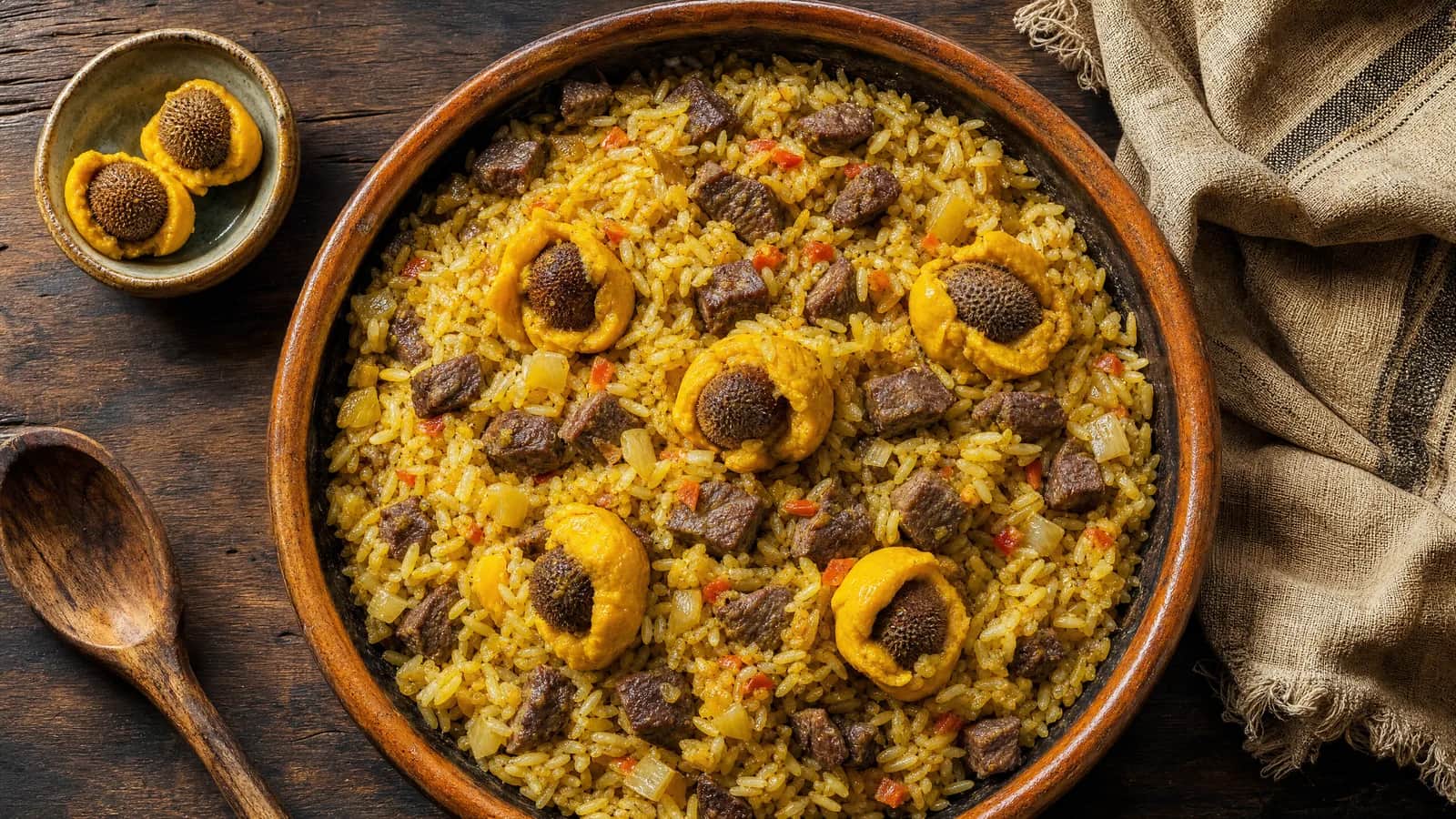 DishesMedium
Arroz Maria-Isabel com Pequi
Tocantins · North
Maria-Isabel takes on a Tocantins accent with pequi: rice sautéed in the bottom of the pan with carne-de-sol, fresh seasonings, and the yellow fruit that heralds the Brazilian savanna’s season.
View recipe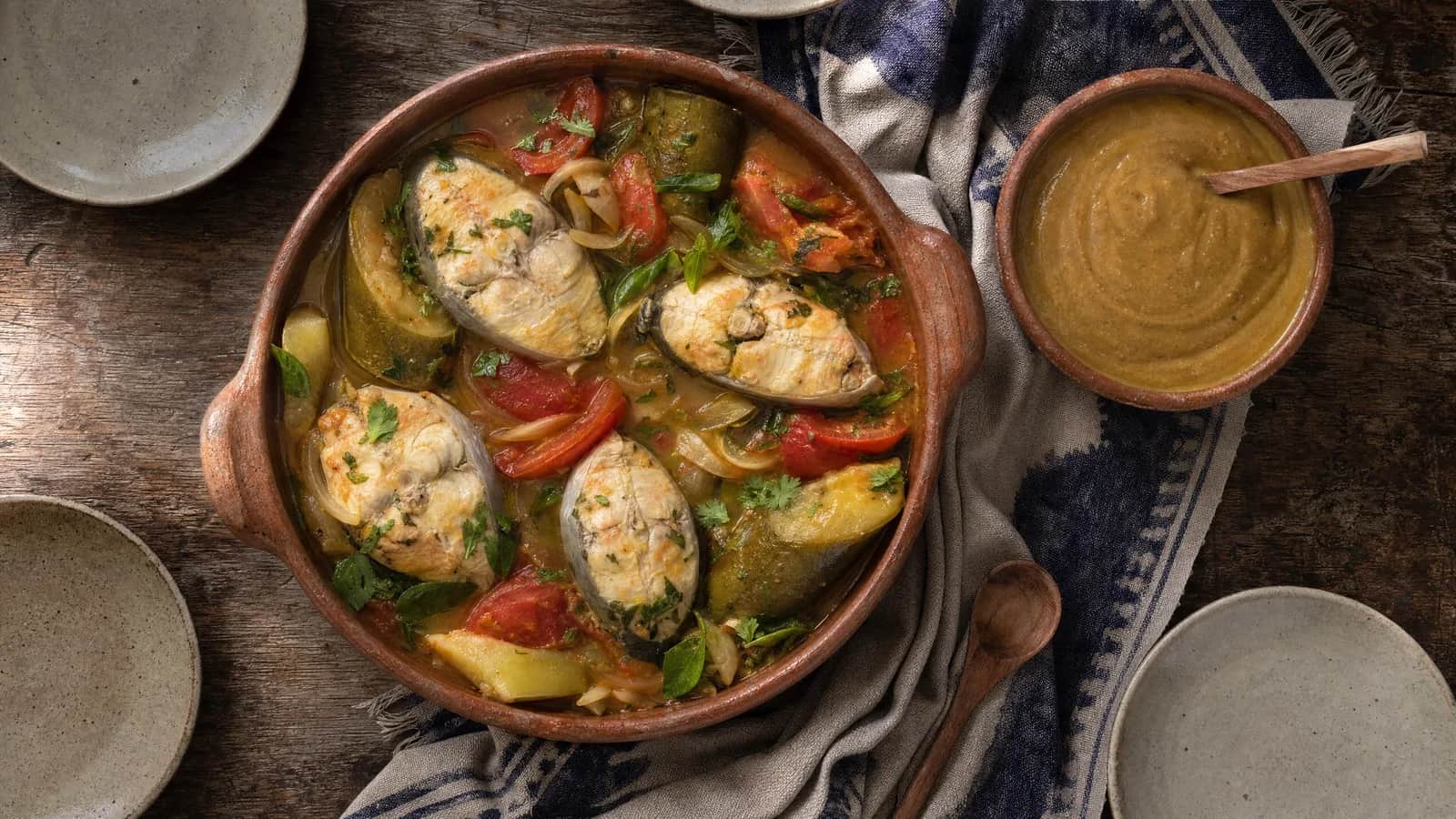 DishesMedium
Azul-Marinho
São Paulo · Southeast
Azul-marinho is a caiçara preparation—of Brazil's traditional coastal fishing communities—of fish steaks simmered with green plantain; some of the plantain and broth become a fluid pirão, a porridge of broth and cassava flour, served alongside.
View recipe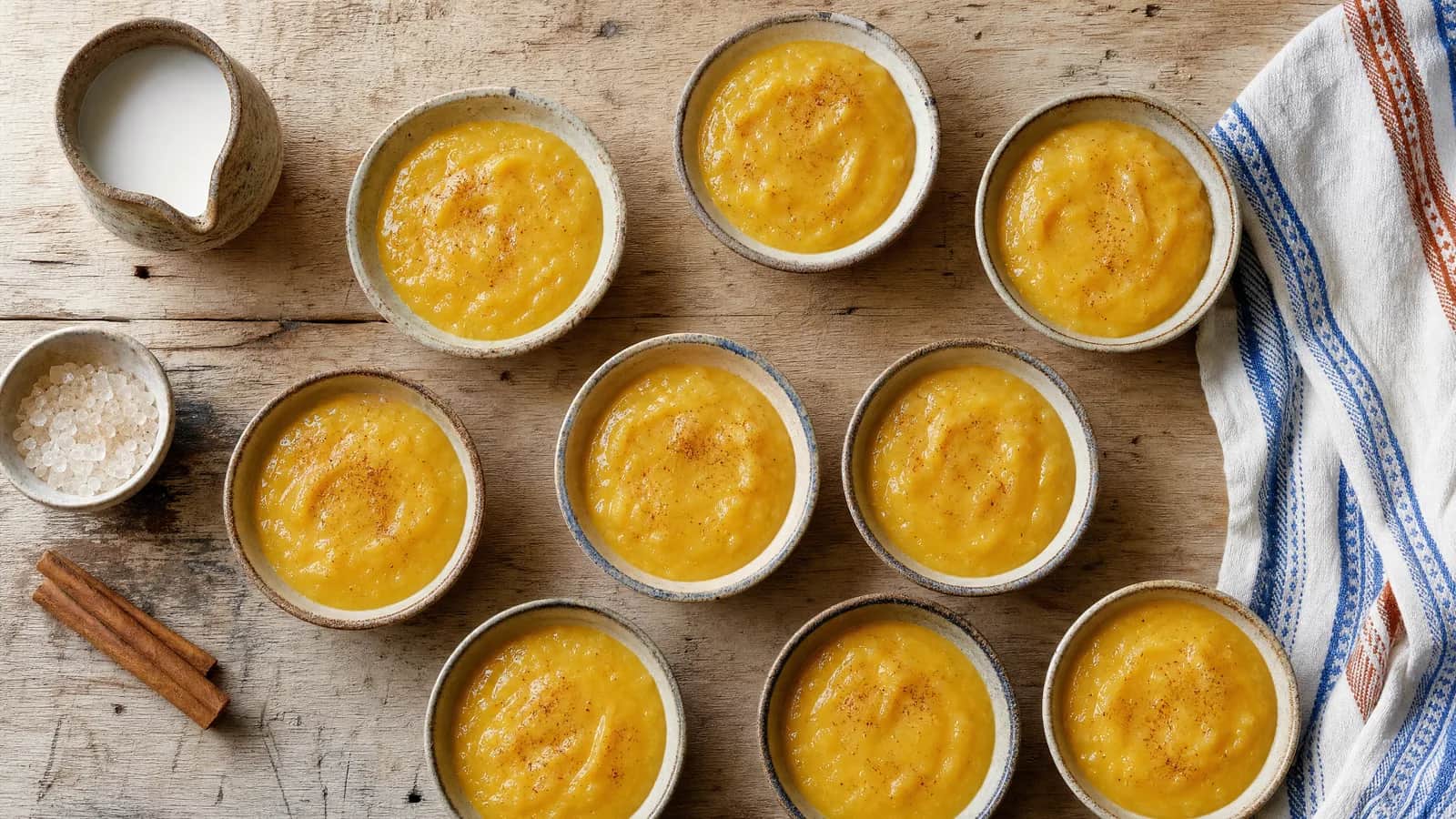 DessertsMedium
Baba de Moça
Bahia · Northeast
Baba de moça is an egg-yolk cream scented with coconut milk and bound with sugar syrup. Served cold in small portions, it moves slowly on the spoon and belongs to Bahia’s repertoire of sweets, where coconut meets time-honored confectionery techniques.
View recipe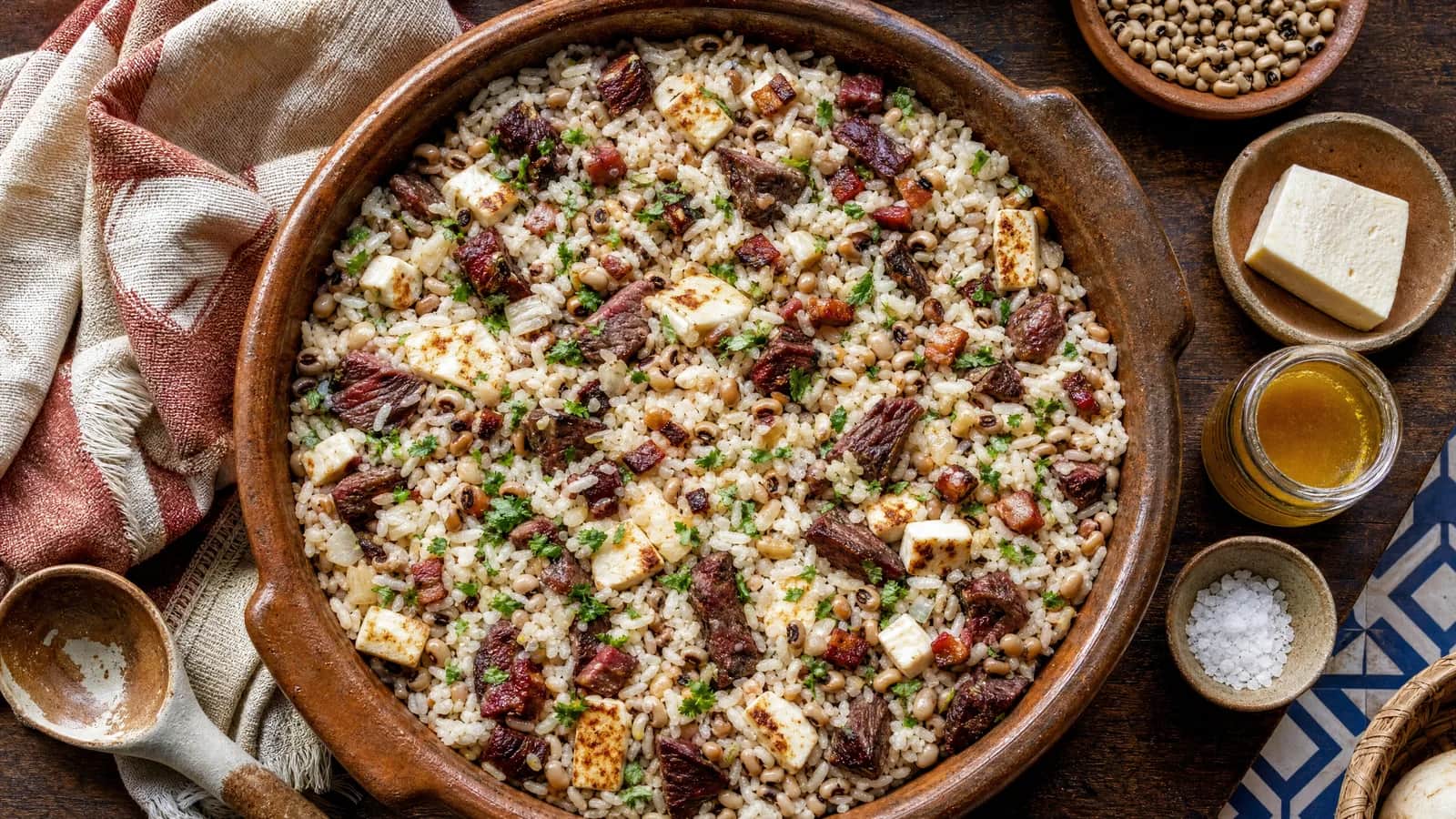 DishesMedium
Baião de dois
Federal District · Central-West
A Northeastern classic brought to Brasília’s tables by the migrant workers who came to build the capital, baião de dois—rice and beans cooked together with cheese and curd—brings cowpeas, rice, carne-de-sol—lightly salted, air-dried beef—, manteiga de garrafa, and queijo coalho together in a single pot.
View recipe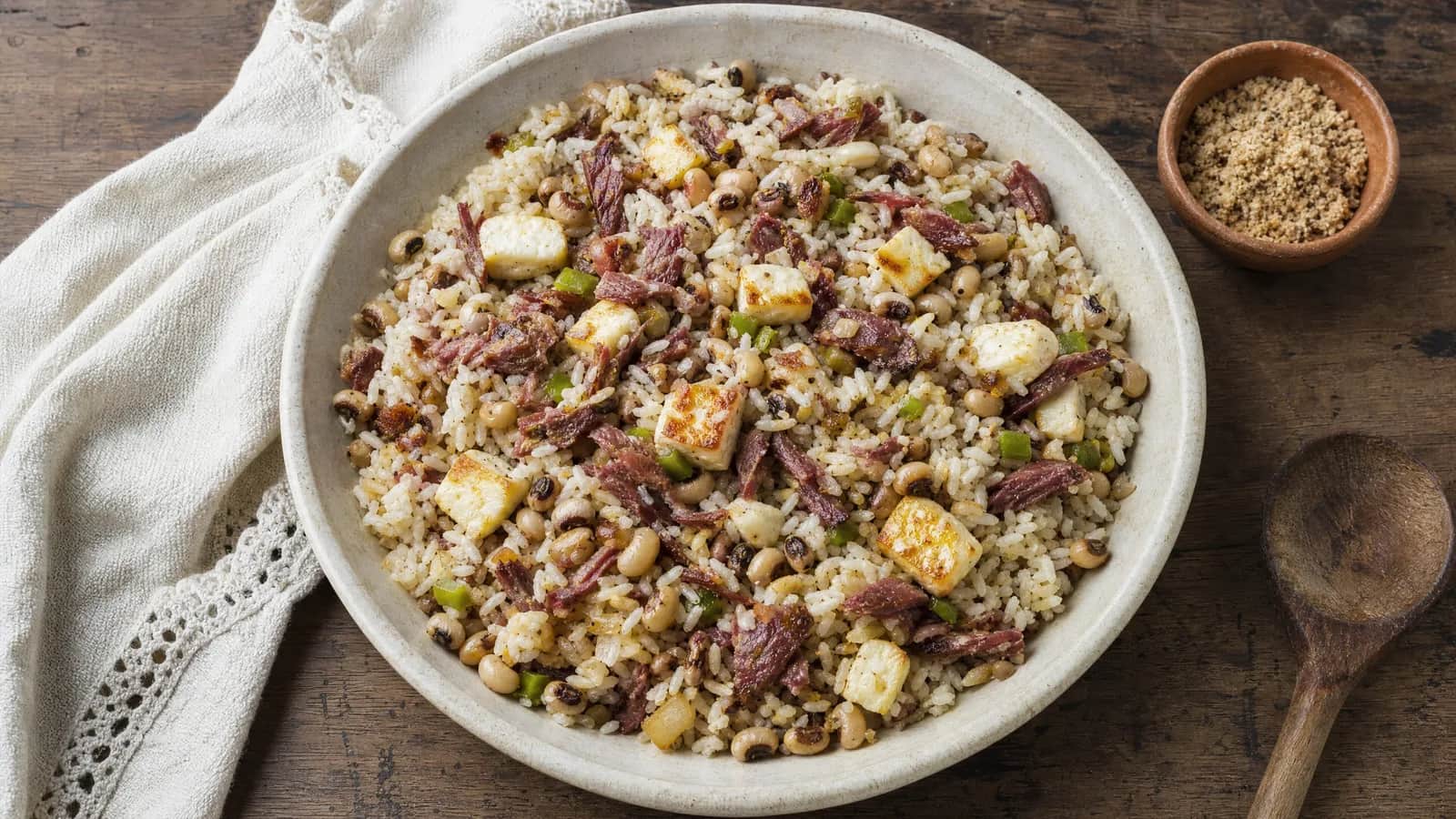 DishesMedium
Baião de Dois Cearense com Jabá e Queijo de Coalho
Ceará · Northeast
A cornerstone dish of Ceará’s sertão, baião de dois brings rice and cowpeas together in one pot. In this generous version, desalted jabá, manteiga de garrafa, clarified butter aged in a bottle, and queijo de coalho give the meeting substance.
View recipe DishesEasy
Baião de dois com feijão de corda e queijo coalho
Paraíba · Northeast
Baião de dois — rice and beans cooked together with cheese and curd — is an encounter: rice with feijão de corda, queijo coalho with manteiga de garrafa, everyday abundance with festive tables. In Paraíba, it accompanies long conversations, Sunday lunch, and the cadence of June nights.
View recipe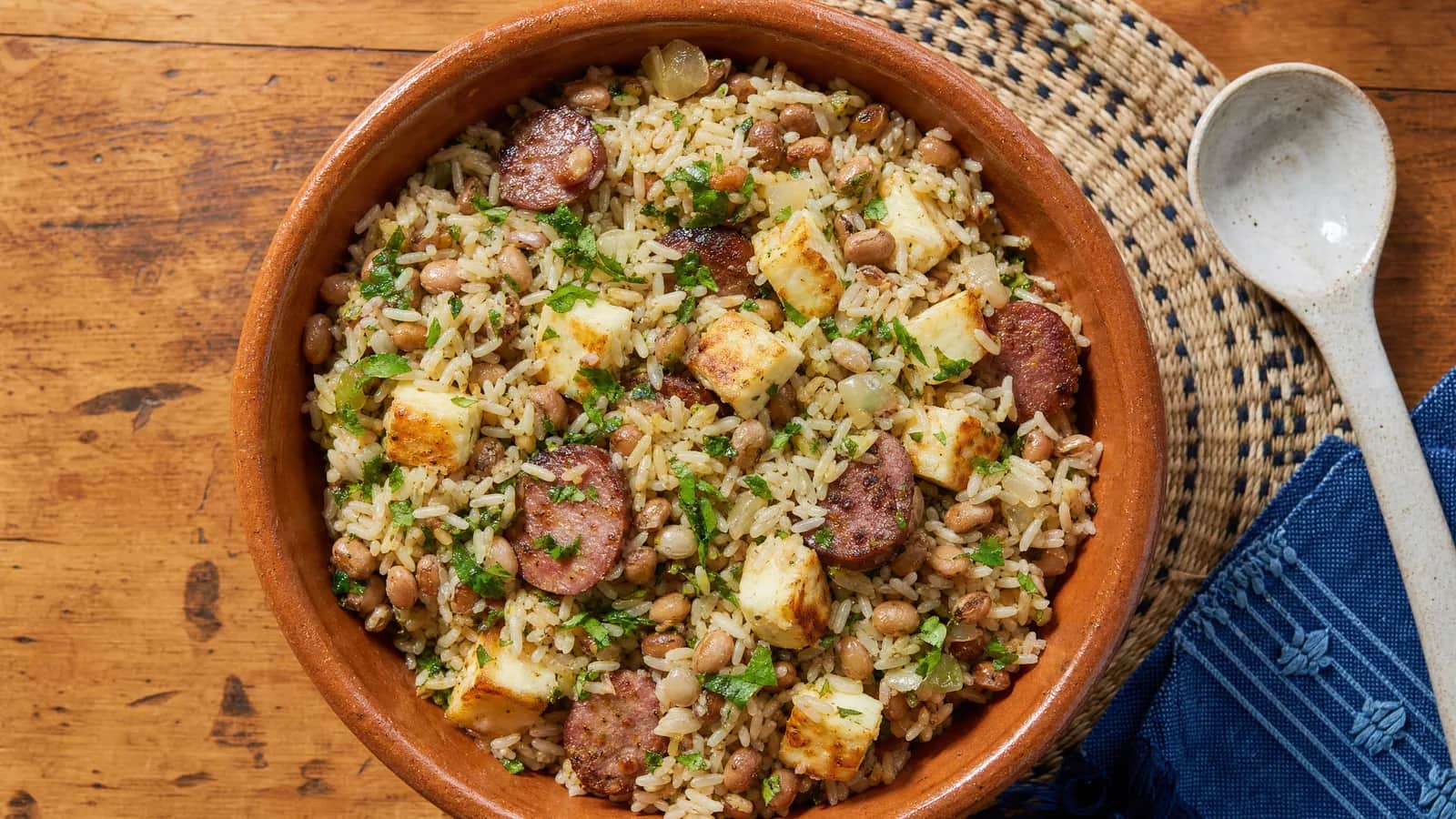 DishesMedium
Baião de Dois com Queijo de Coalho
Pernambuco · Northeast
Baião de dois — rice and beans cooked together with cheese and curd — brings rice and cowpeas into the same broth, finished with manteiga de garrafa, cilantro, and queijo de coalho. This classic from Brazil’s Northeast belongs to Pernambuco’s everyday and celebratory cooking.
View recipe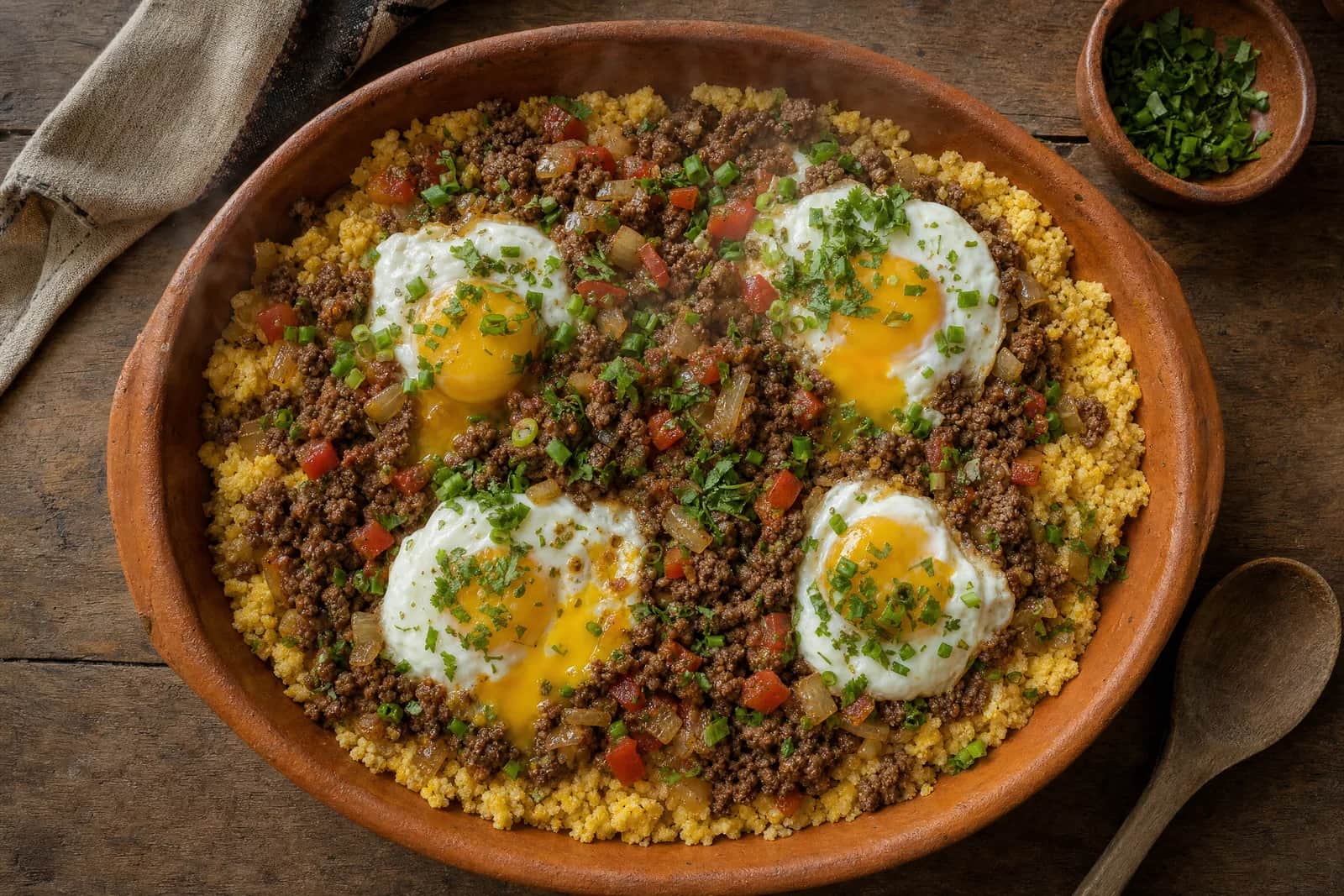 DishesEasy
Baixaria
Acre · North
Picture a market counter in Rio Branco while it is still dark: steaming cuscuz de milho — steamed cornmeal, unrelated to North African couscous — is loosened onto the plate, topped with ground beef sautéed with onion and tomato and, crowning it, a fried egg with a runny yolk. It is food for those who wake early and need strength — Acre’s most quintessential dish, simple and potent.
View recipe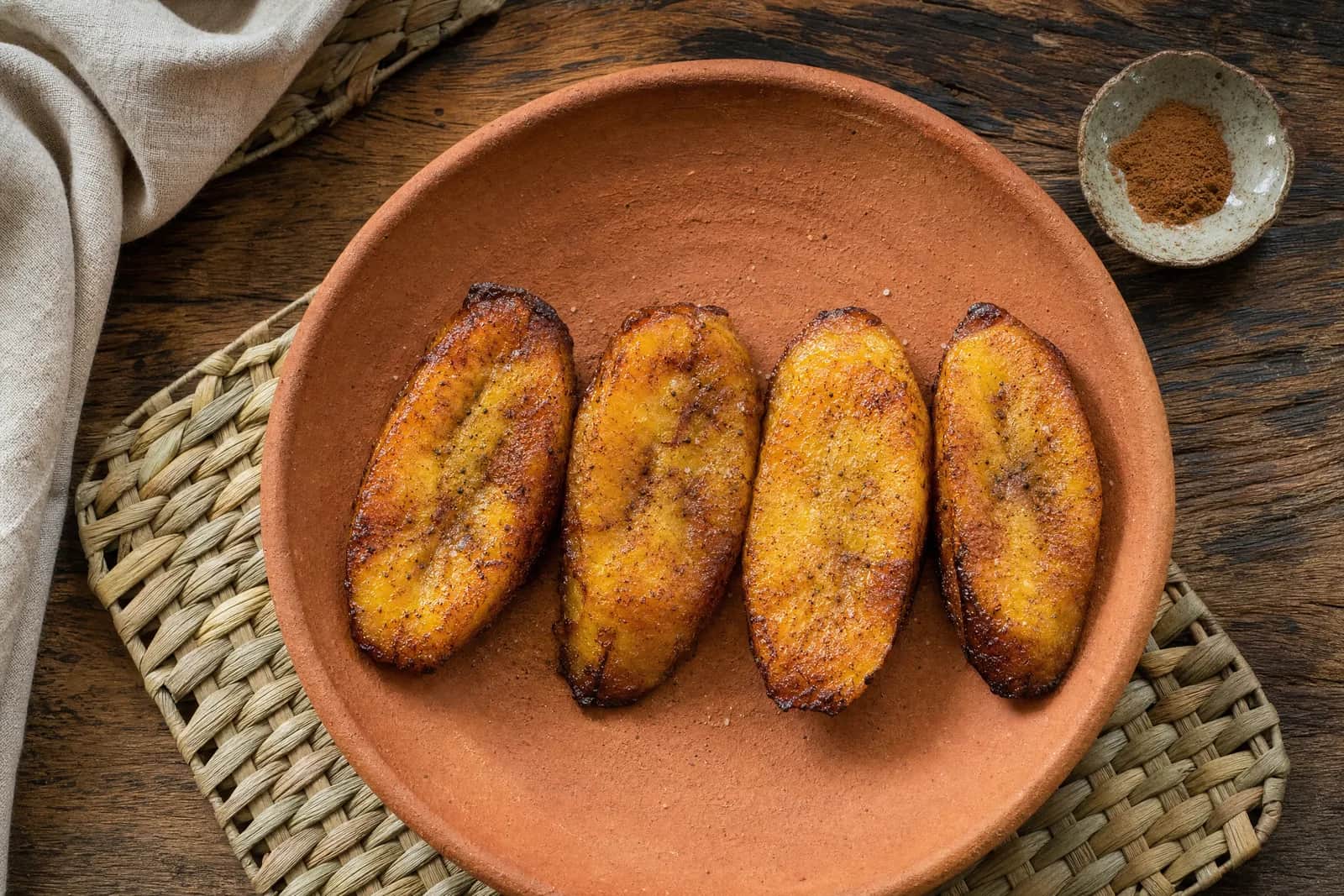 SidesEasy
Banana-da-Terra Frita
Acre · North
Slices of very ripe plantain, locally called pacovã, fried until golden and caramelized. A classic side on Acre tables, they balance the saltiness of river fish and meats with their soft sweetness.
View recipe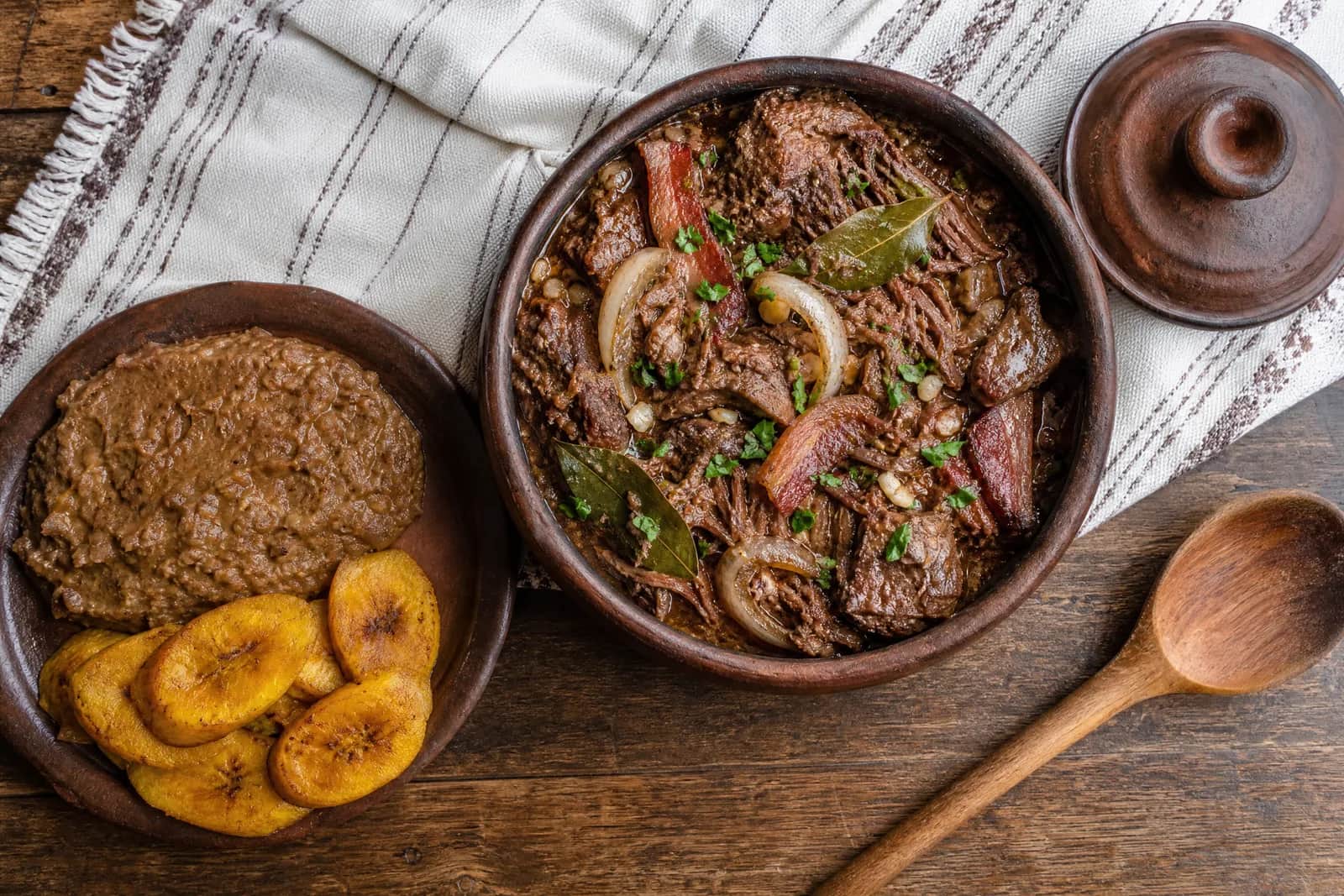 DishesMedium
Barreado do Litoral Paranaense
Paraná · South
In a sealed clay pot, beef and seasonings spend hours over a gentle flame until they become almost a single broth. At the table, white cassava flour makes pirão — a thick porridge of broth and cassava flour —, while plantain brings the sweet counterpoint that made barreado renowned.
View recipe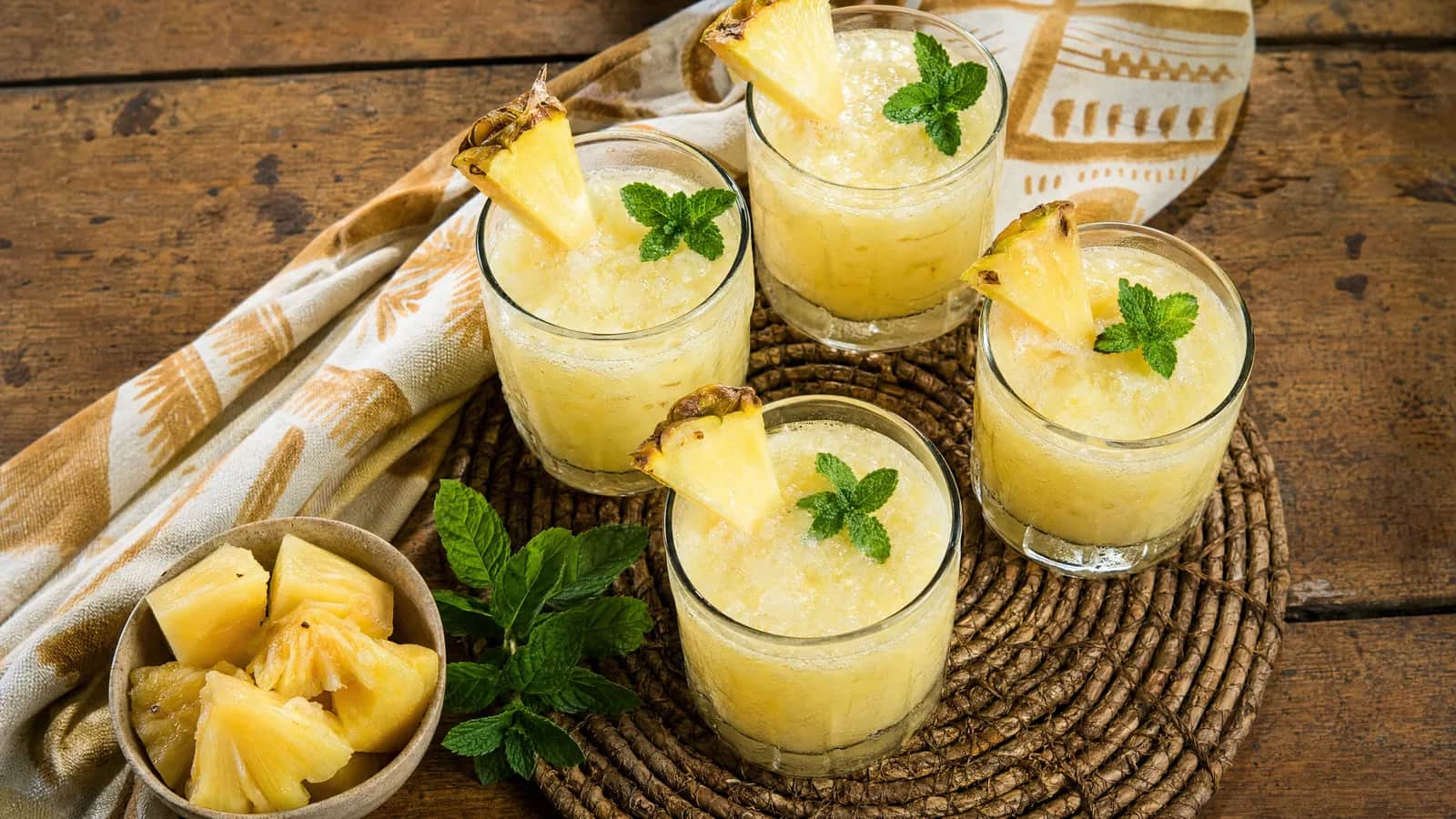 BeveragesEasy
Batida de Abacaxi de Tarauacá
Acre · North
A creamy batida — a blended cachaça cocktail — of pineapple, condensed milk, and white cachaça, blended with ice. It features Tarauacá pineapple, recognized in the region for its sweetness, in a tropical cocktail that is a party in a glass.
View recipe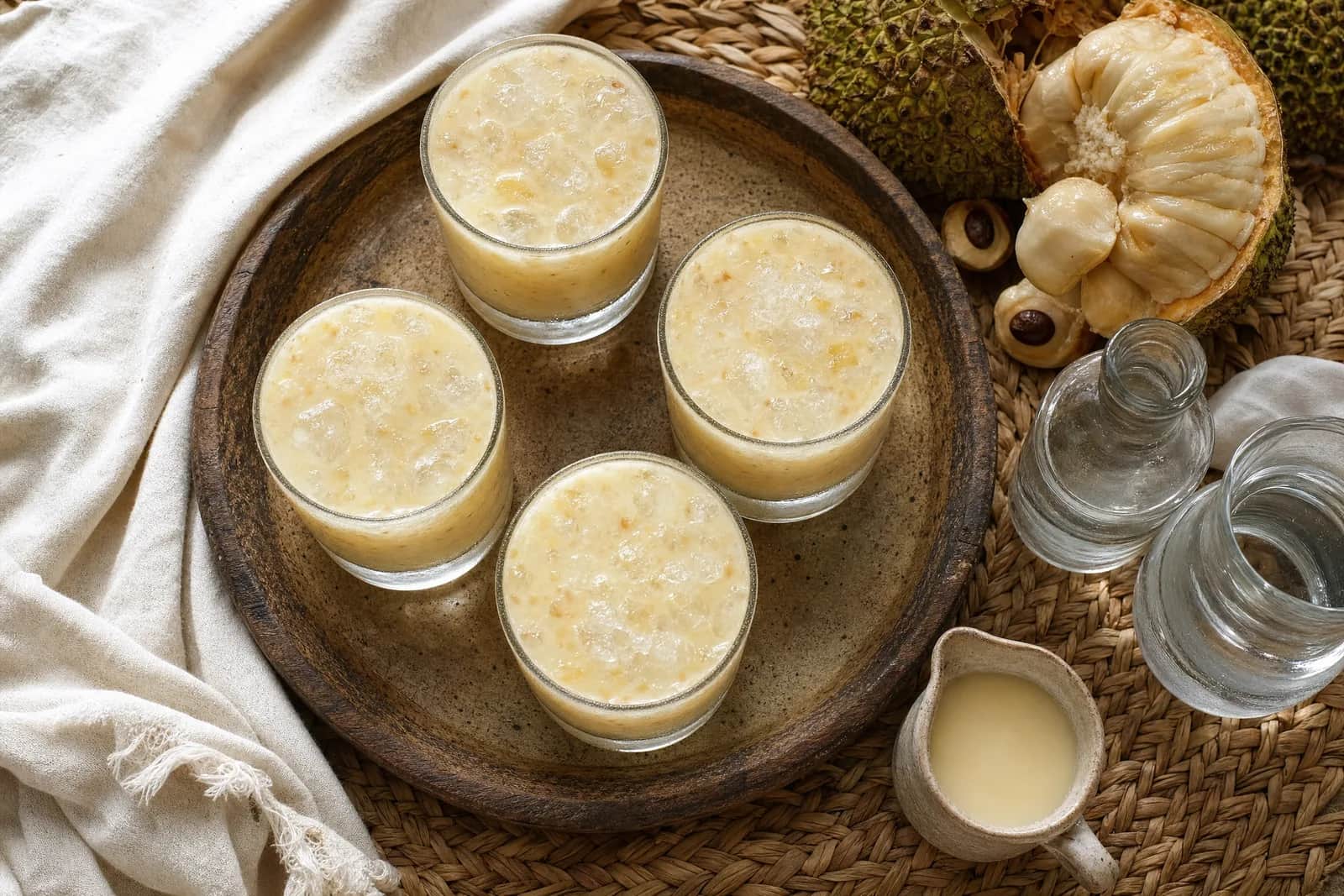 BeveragesEasy
Batida de Araticum com Cachaça
Goiás · Central-West
Born from a recipe attributed to Estação Ciência Mato do Açude in Jataí, this batida—a blended cachaça cocktail—brings together araticum pulp, cachaça, water, and condensed milk. In a chilled glass, the flavor of ripe fruit opens a small path into the Cerrado.
View recipe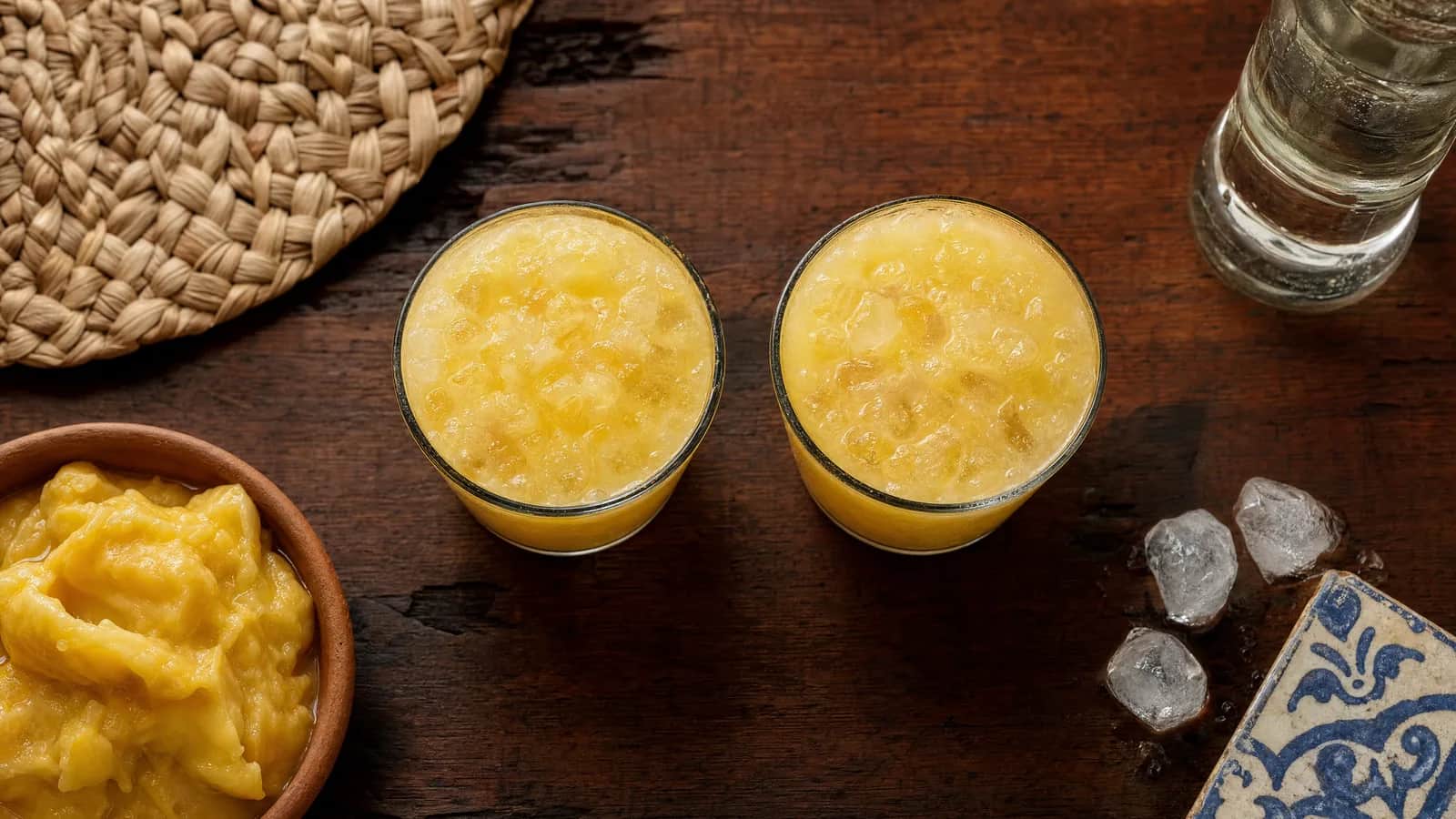 BeveragesEasy
Batida de Bacuri maranhense
Maranhão · Northeast
Made with bacuri — a fragrant Amazonian fruit — pulp, white cachaça, ice, and a touch of syrup, this batida carries into the glass a fruit that runs through Maranhão's landscape between the Amazon and the Cerrado.
View recipe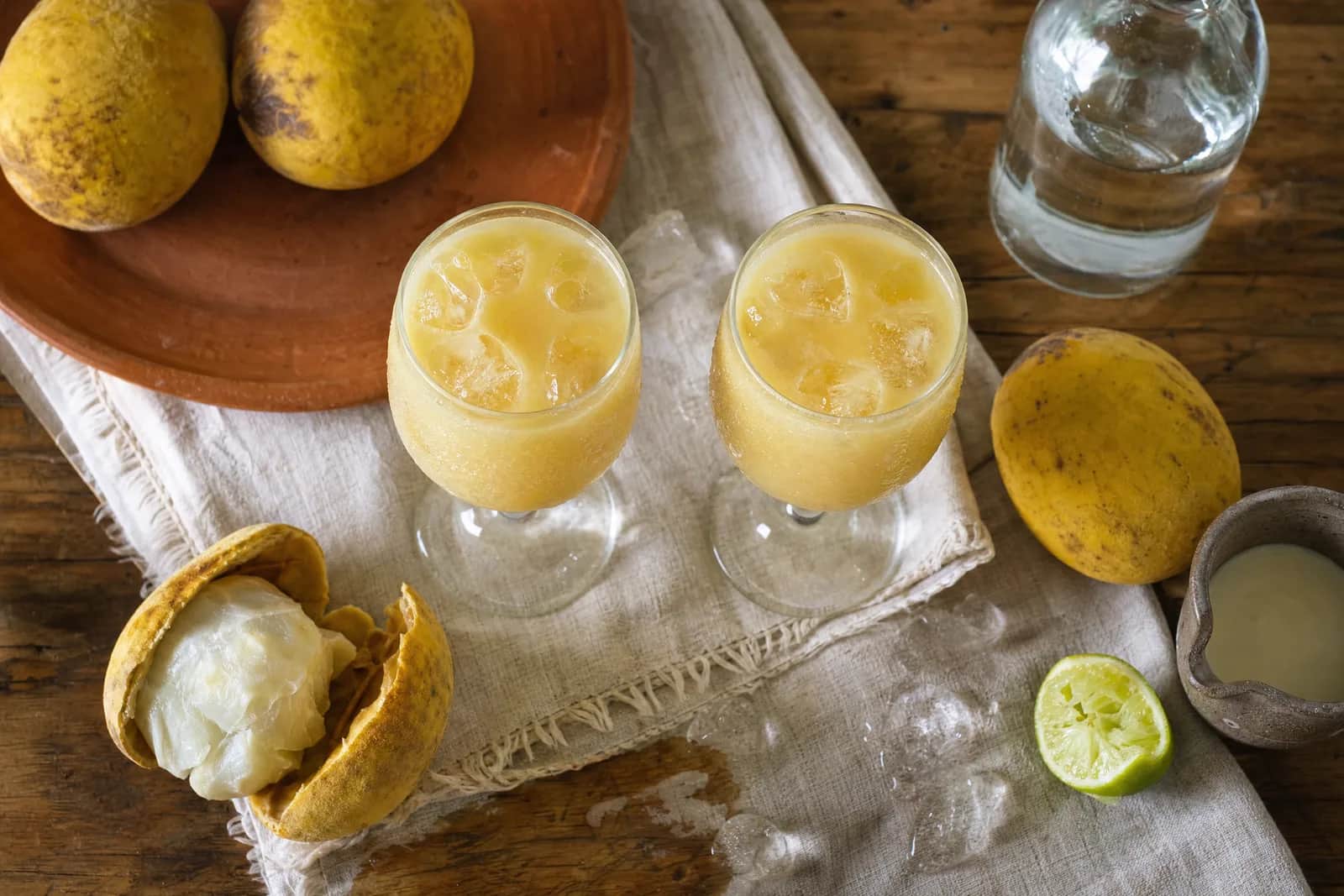 BeveragesEasy
Batida de Bacuri piauiense
Piauí · Northeast
Bacuri — a fragrant Amazonian fruit — pulp turns the batida into a drink of velvety texture and mature fragrance. Served well chilled, it evokes the meeting of a Cerrado fruit, ice, and cachaça — Brazil’s sugarcane spirit — without masking the fruit’s identity.
View recipe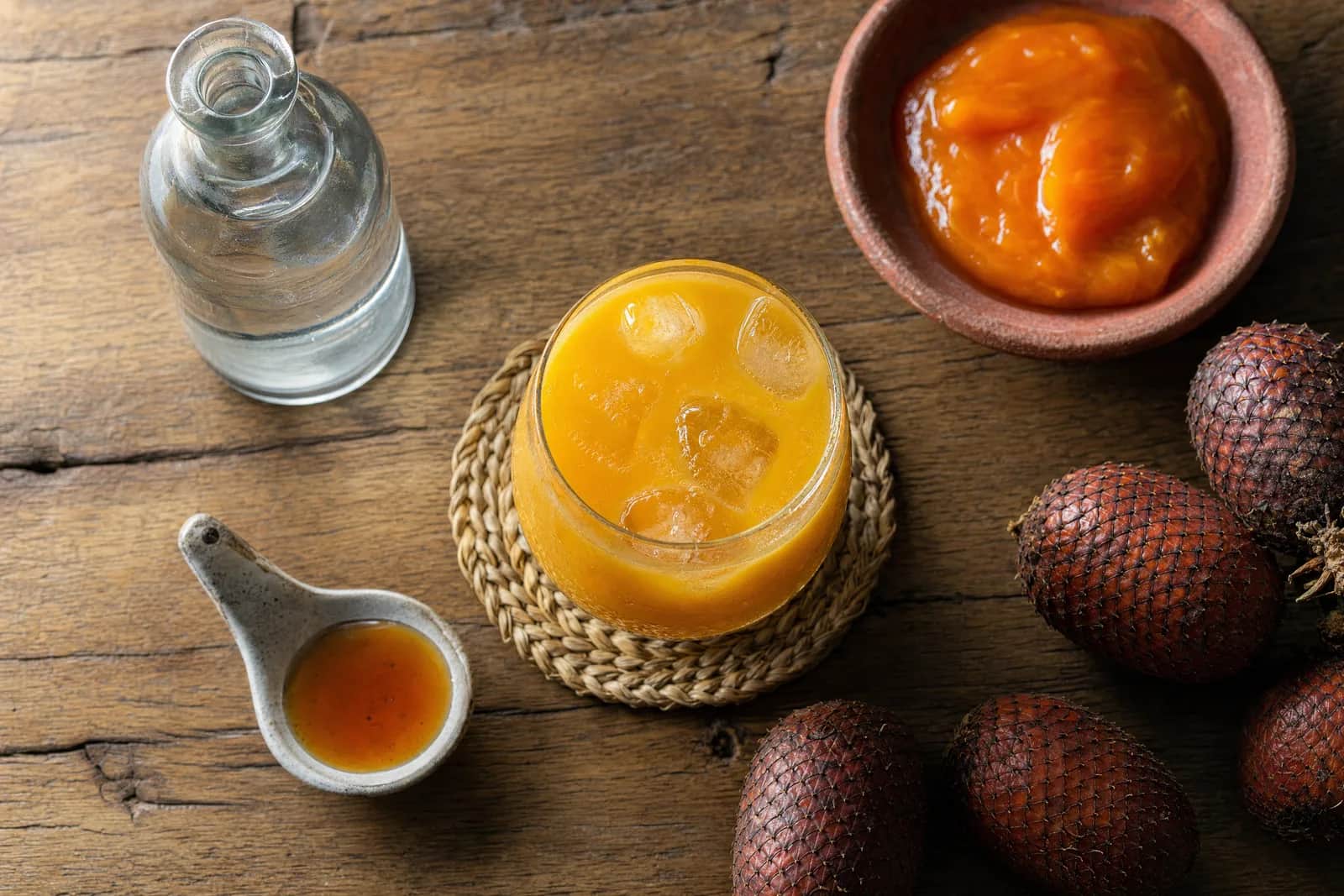 BeveragesEasy
Batida de Buriti
Tocantins · North
A Tocantins batida — a blended cachaça cocktail — made with buriti pulp, white cachaça and rapadura syrup. Chilled and brief, it turns the fruit of the wetland palm groves into a drink of intense fragrance and silken texture.
View recipe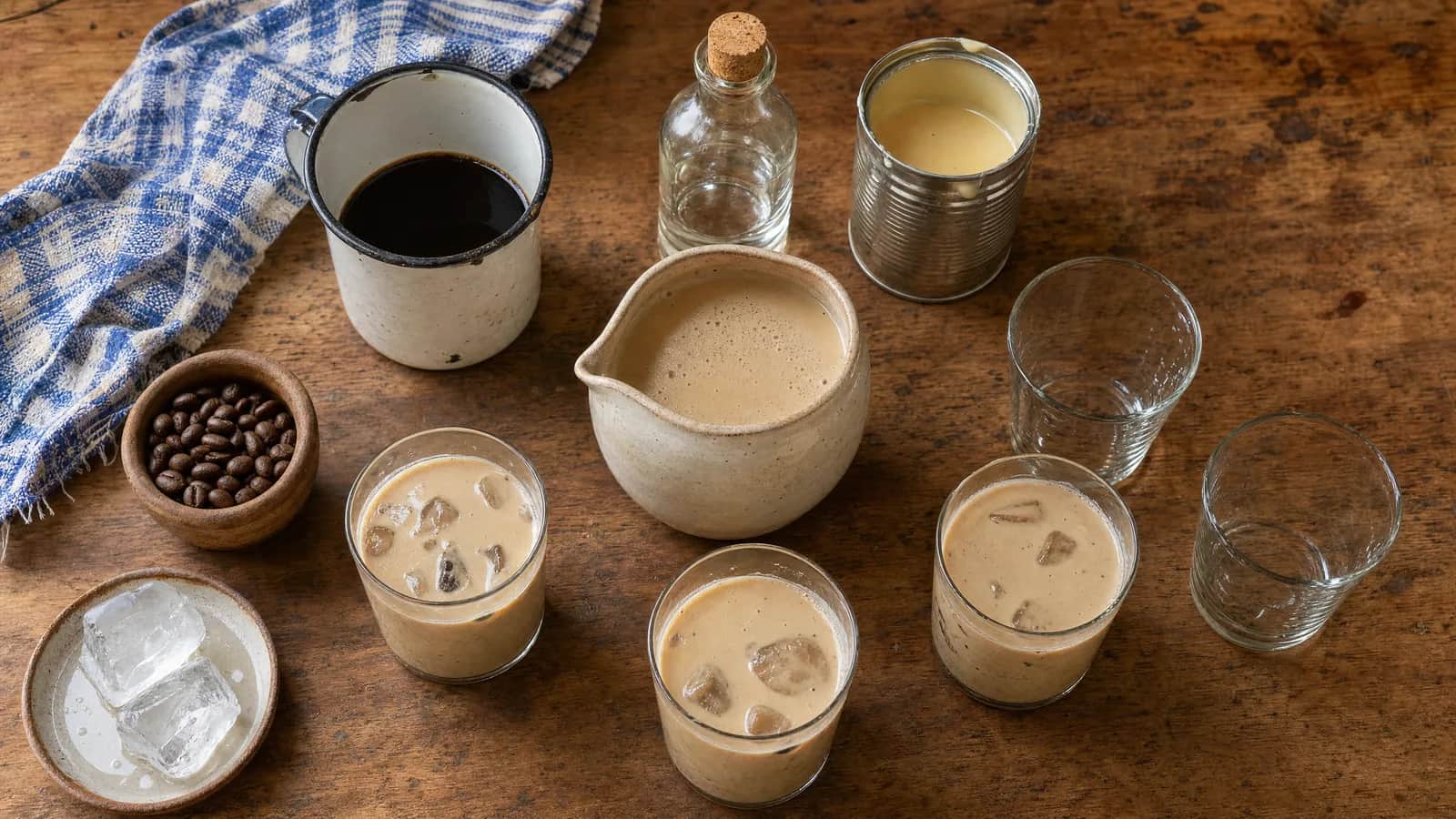 BeveragesEasy
Batida de Café
Minas Gerais · Southeast
Published by Emater-MG in a coffee-cocktail booklet developed in Manhuaçu, this batida — a blended cachaça cocktail — brings together condensed milk, cachaça, and strong cold coffee. In its Minas reading, it places hillside coffee farming and the copper of northern stills in the same sip.
View recipe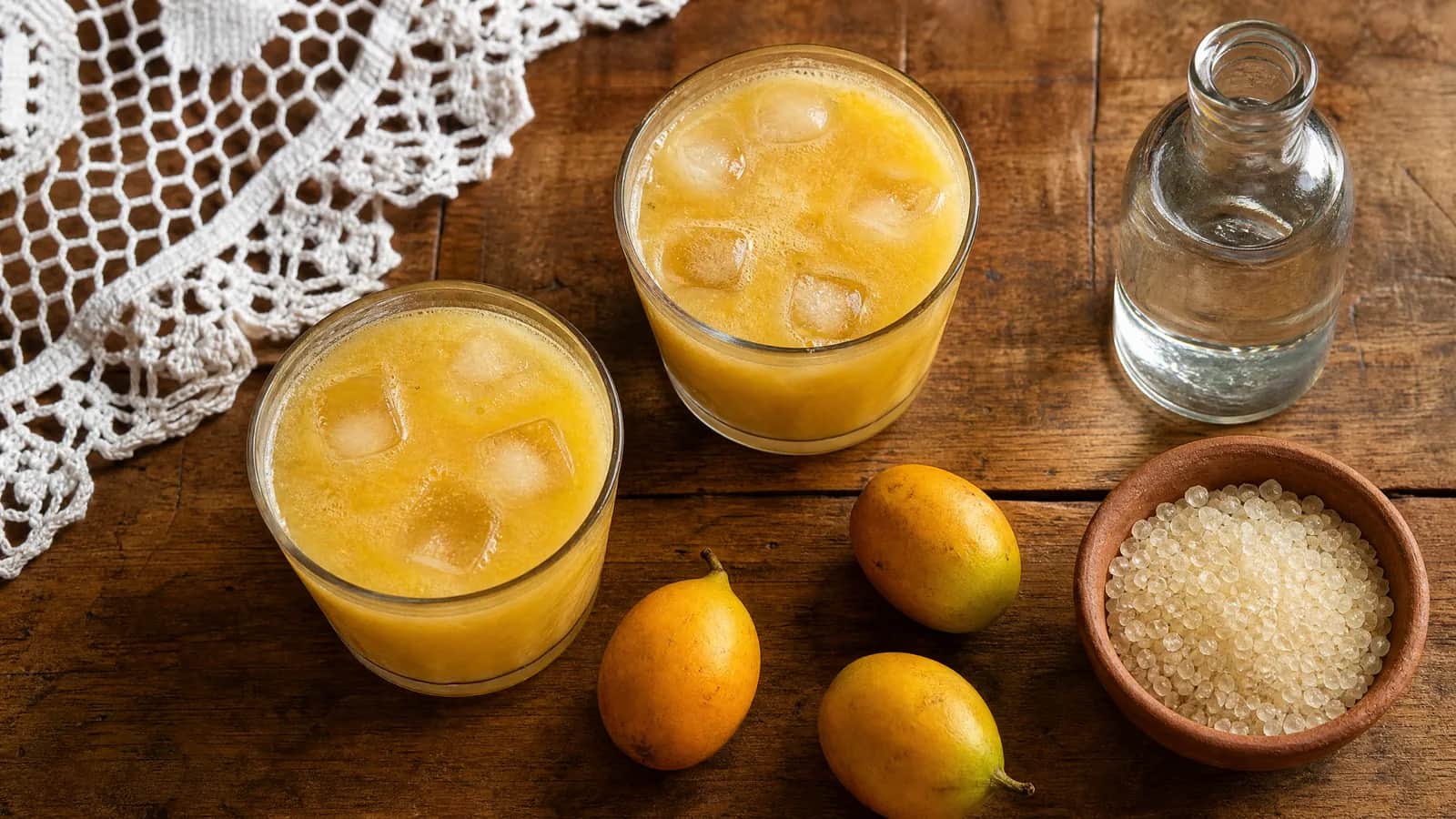 BeveragesEasy
Batida de Cajá
Alagoas · Northeast
In Alagoas markets and home kitchens, cajá — a sharp yellow tropical plum — meets cachaça — Brazil’s sugarcane spirit — in a short, chilled, straightforward cocktail. It is a fruit drink made to be poured as soon as the blender stops, before the ice yields to the sun.
View recipe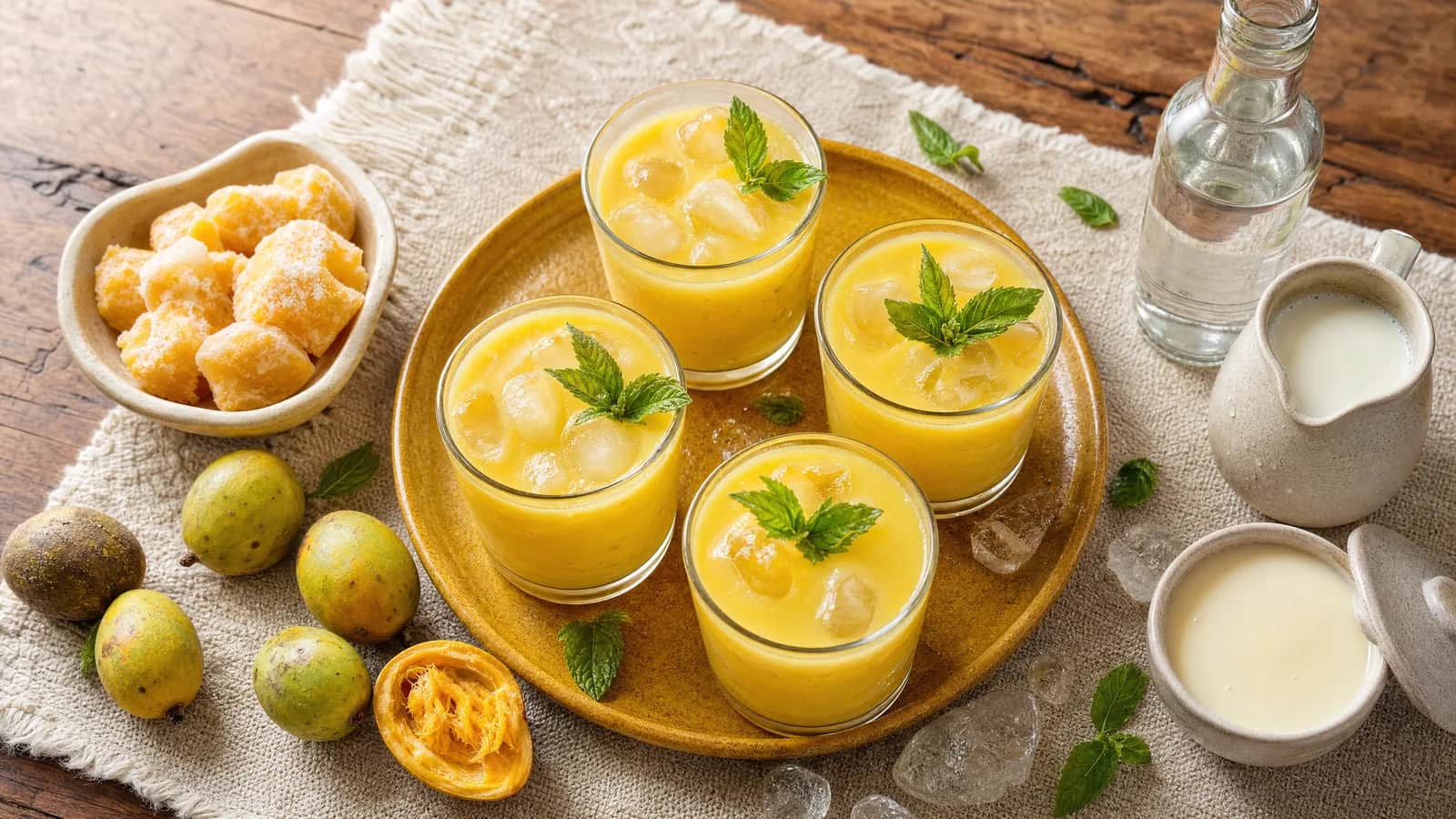 BeveragesEasy
Batida de Cajá com Cachaça
Pernambuco · Northeast
This Northeastern batida combines pulp of cajá — a sharp yellow tropical plum — with condensed milk, chilled milk, and white cachaça — Brazil’s sugarcane spirit. In Pernambuco, it has a particular bond with the Mata Sul, where the cajá tree is common among sugarcane fields, secondary scrublands, and fragments of forest.
View recipe