Nature · Animals
Brazil’s wildlife, species by species
Scientifically validated profiles — taxonomy, distribution, biomes, diet, and conservation status verified with GBIF and IUCN. Use the class filters to explore.
196 animals
 BirdsEW
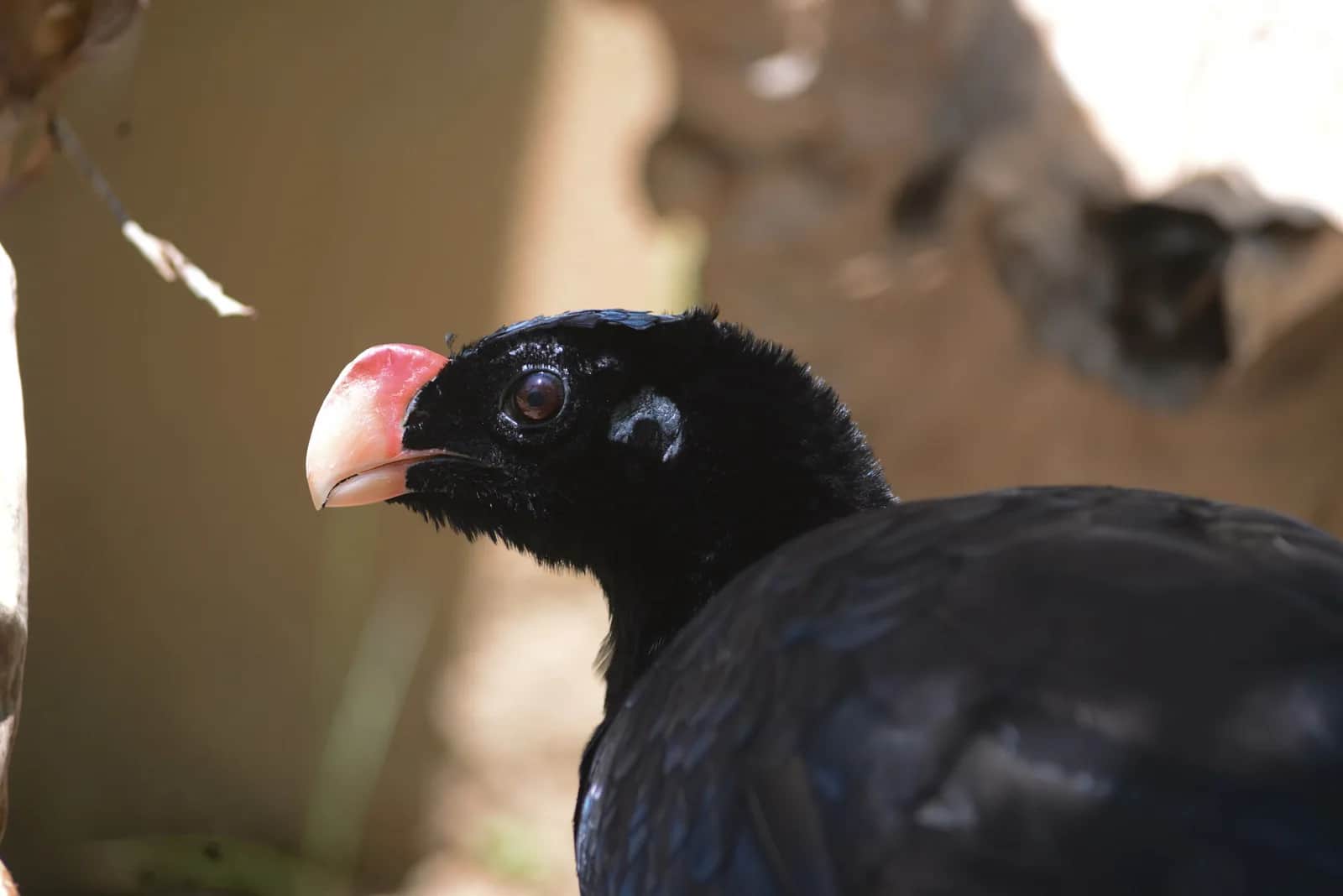
Alagoas curassow
Mitu mitu
The Alagoas curassow is an absence that still breathes: it no longer survives as a wild population, yet endures through a lineage under human care and attempts to return it to the Atlantic Forest. Endemic to Brazil, it bears the signature of a species nearly lost before it was fully understood: a two-toned bill, a bare patch beside the ear, and buff-tipped tail feathers.
View profile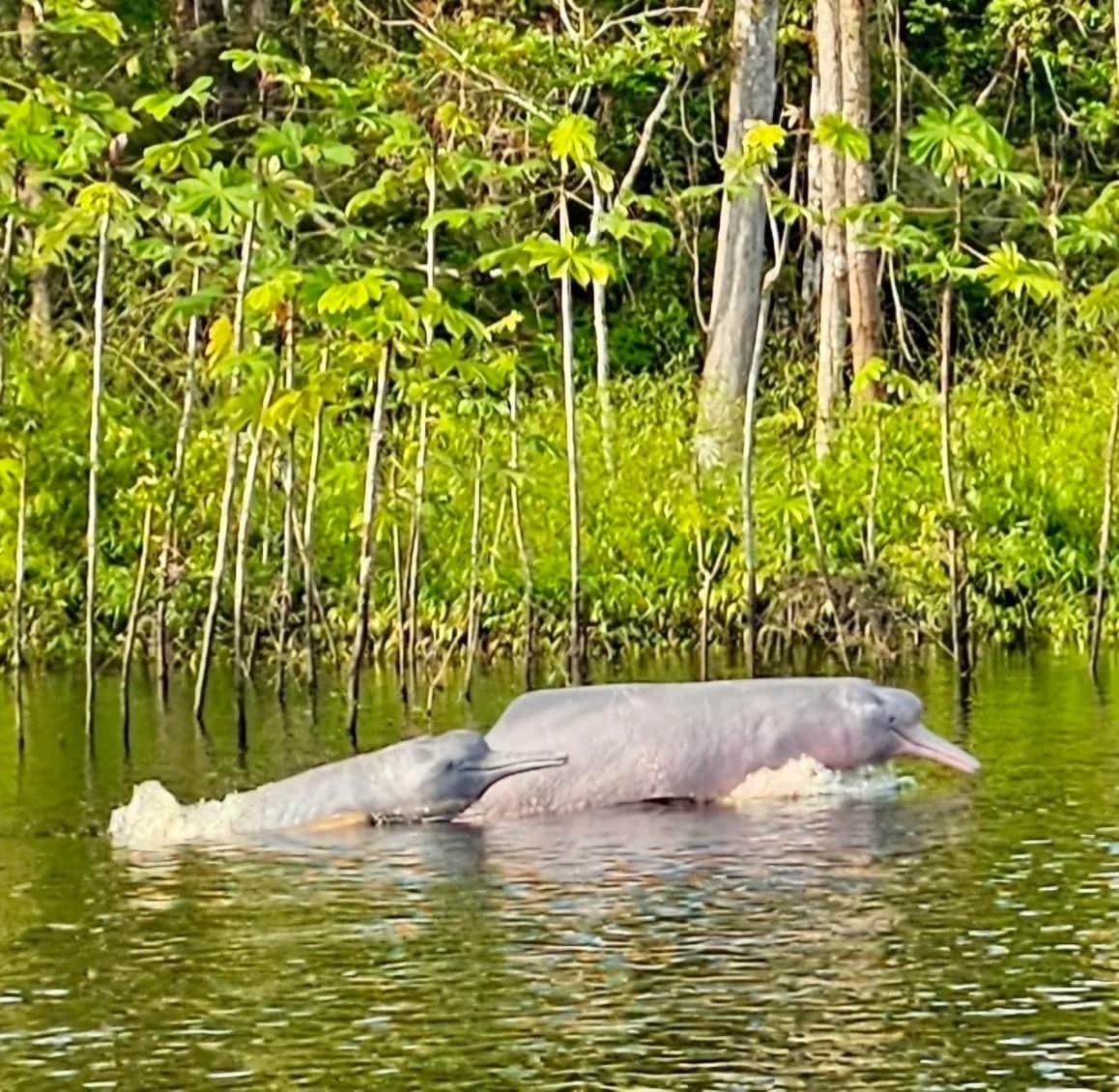 MammalsEN
Amazon river dolphin
Inia geoffrensis
The Amazon river dolphin is the world's largest freshwater dolphin and one of the Amazon's most emblematic mammals. Adapted to rivers, lakes, and flooded forests, it embodies the deep connection among biodiversity, traditional culture, and the conservation of South American river systems.
View profile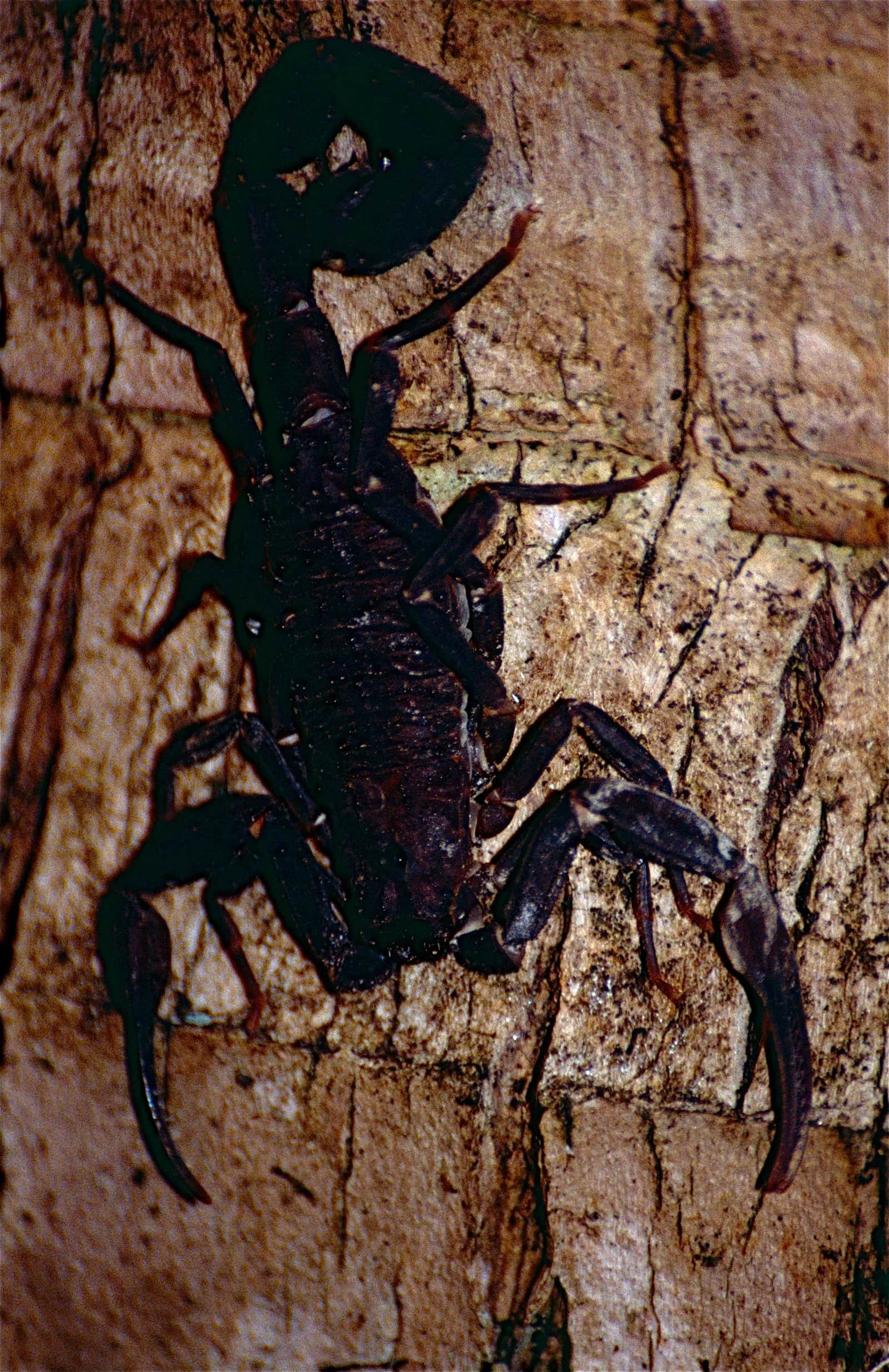 ArachnidsNE
Amazonian black scorpion
Tityus obscurus
Large, dark, and clinically significant, the Amazonian black scorpion is one of the species of greatest medical importance in northern Brazil. Tityus obscurus is associated with potentially serious accidents, with neurologic manifestations distinct from those observed in other Brazilian scorpions.
View profile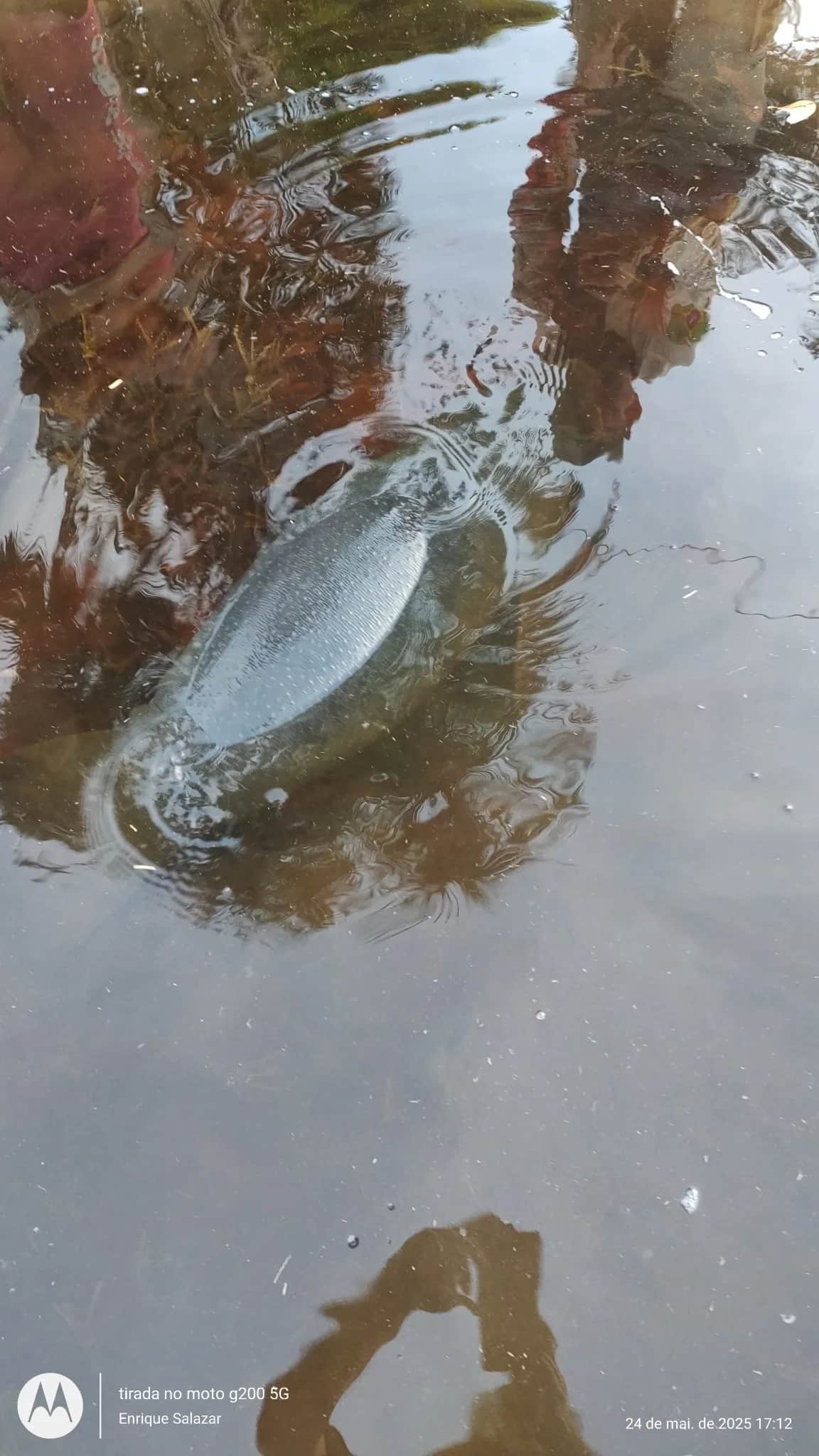 MammalsVU
Amazonian manatee
Trichechus inunguis
The Amazonian manatee is the world's only strictly freshwater sirenian and one of the most emblematic mammals of the Amazon Basin. Fully adapted to rivers, lakes, and floodable forests, it symbolizes the direct dependence between wildlife conservation and the integrity of tropical river systems.
View profile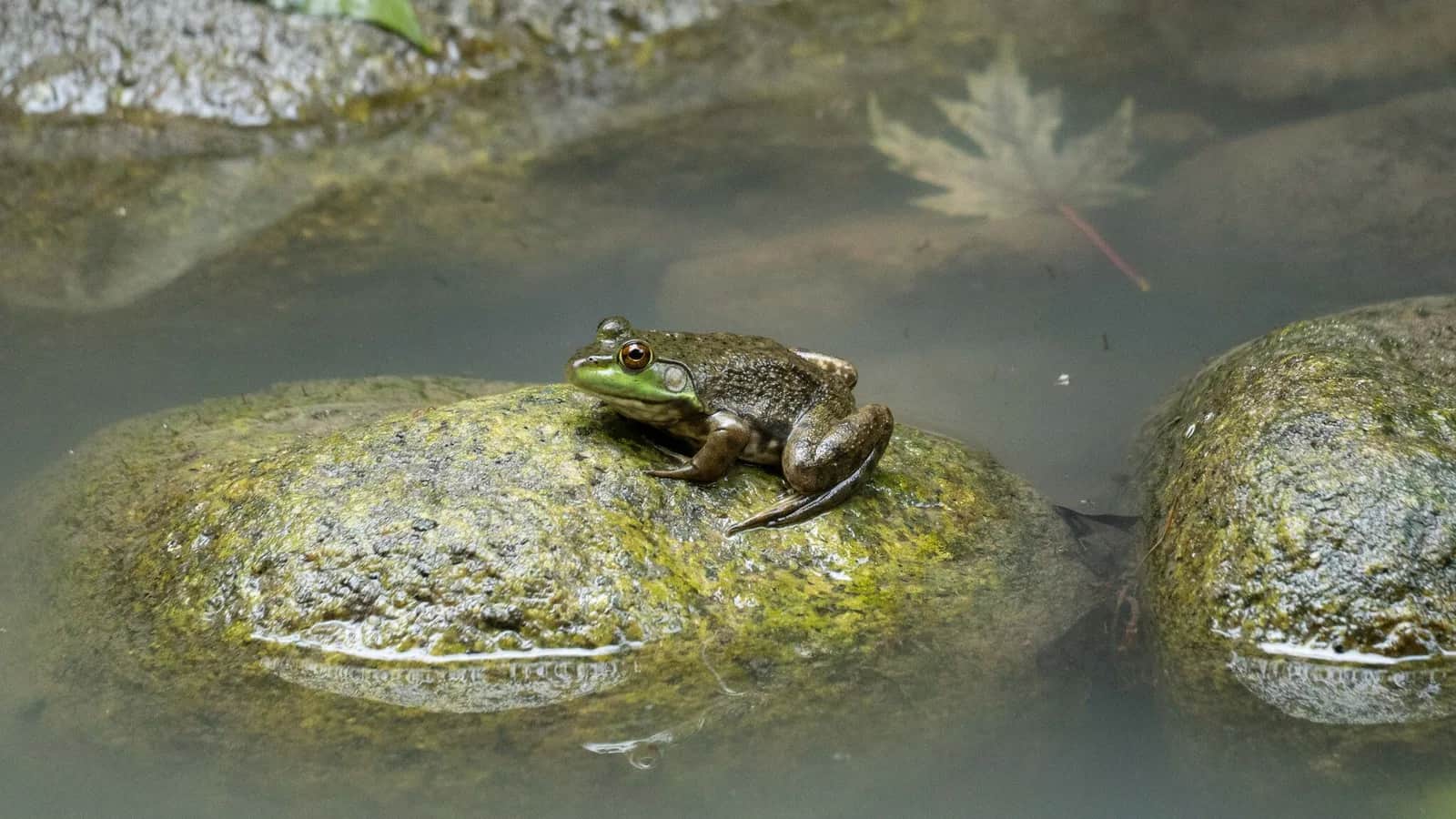 AmphibiansLC
American bullfrog
Lithobates catesbeianus
The American bullfrog is one of the world's largest anurans and a classic example of a high-impact invasive species. Although native to North America, its introduction to other continents—including Brazil—has had profound effects on local aquatic ecosystems.
View profile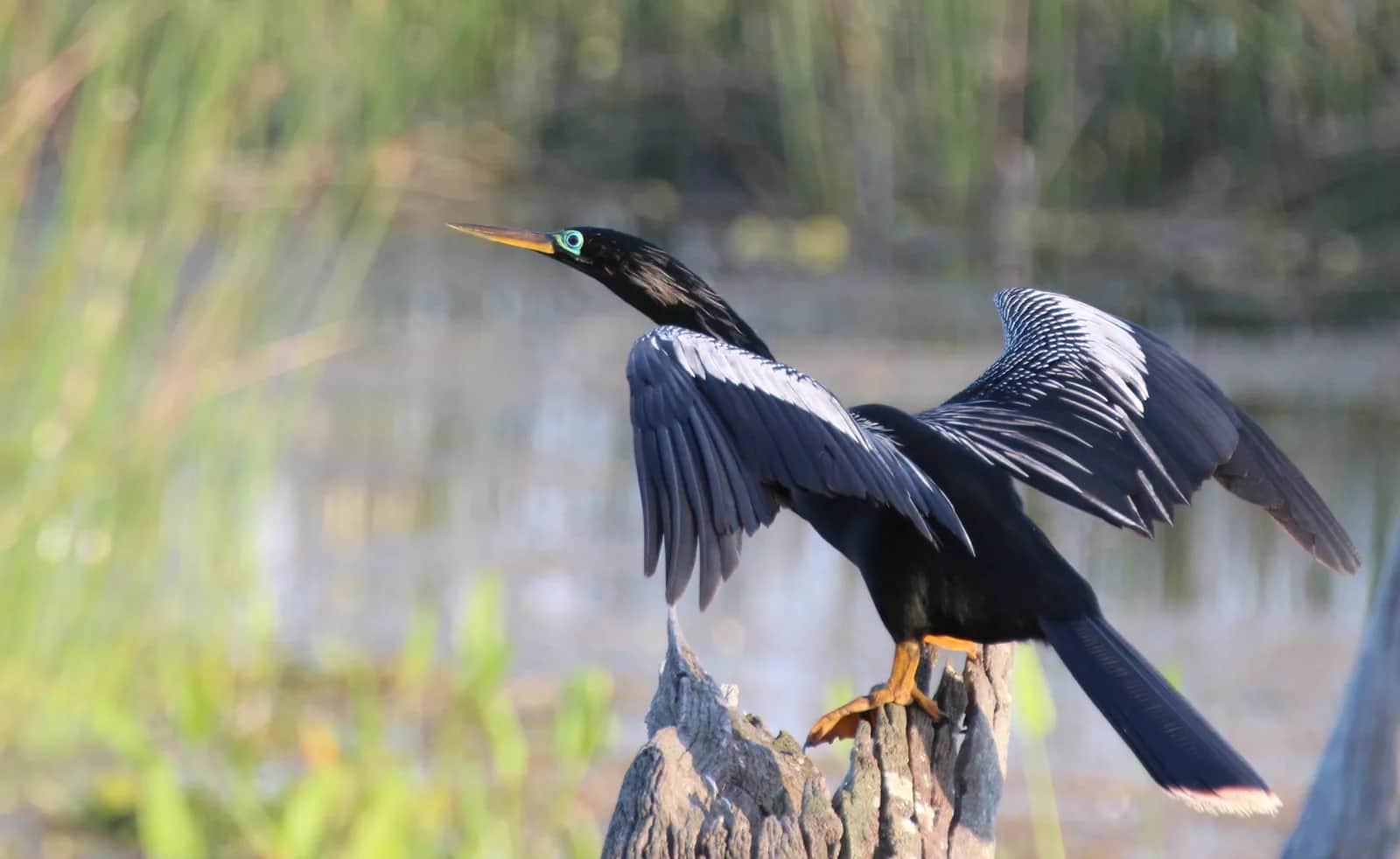 BirdsLC
Anhinga
Anhinga anhinga
First comes a slender neck, raised above the water like a snake probing the marsh. Then the Anhinga reveals its full body: a diver with waterlogged feathers, a fisher with a dagger-shaped bill, and an unmistakable figure on the branches, wings spread to the sun.
View profile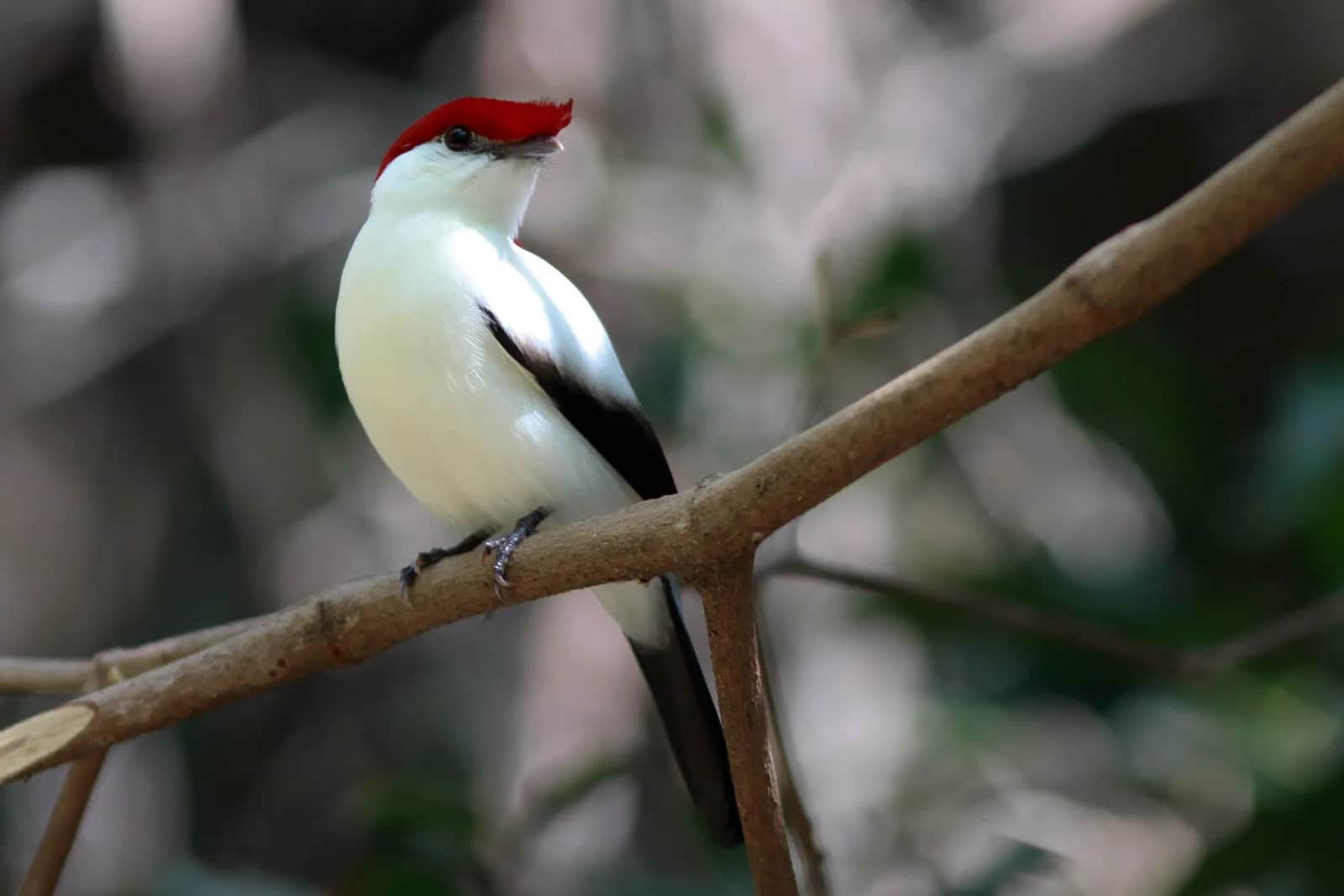 BirdsCR
Araripe Manakin
Antilophia bokermanni
Between the dry scrubland and a hidden spring in Chapada do Araripe—a highland tableland with escarpments—a red crest lights the forest green. The Araripe manakin lives only here: endemic to Brazil, it depends on a narrow strip of humid forest in Ceará to sing, feed, and raise its young.
View profile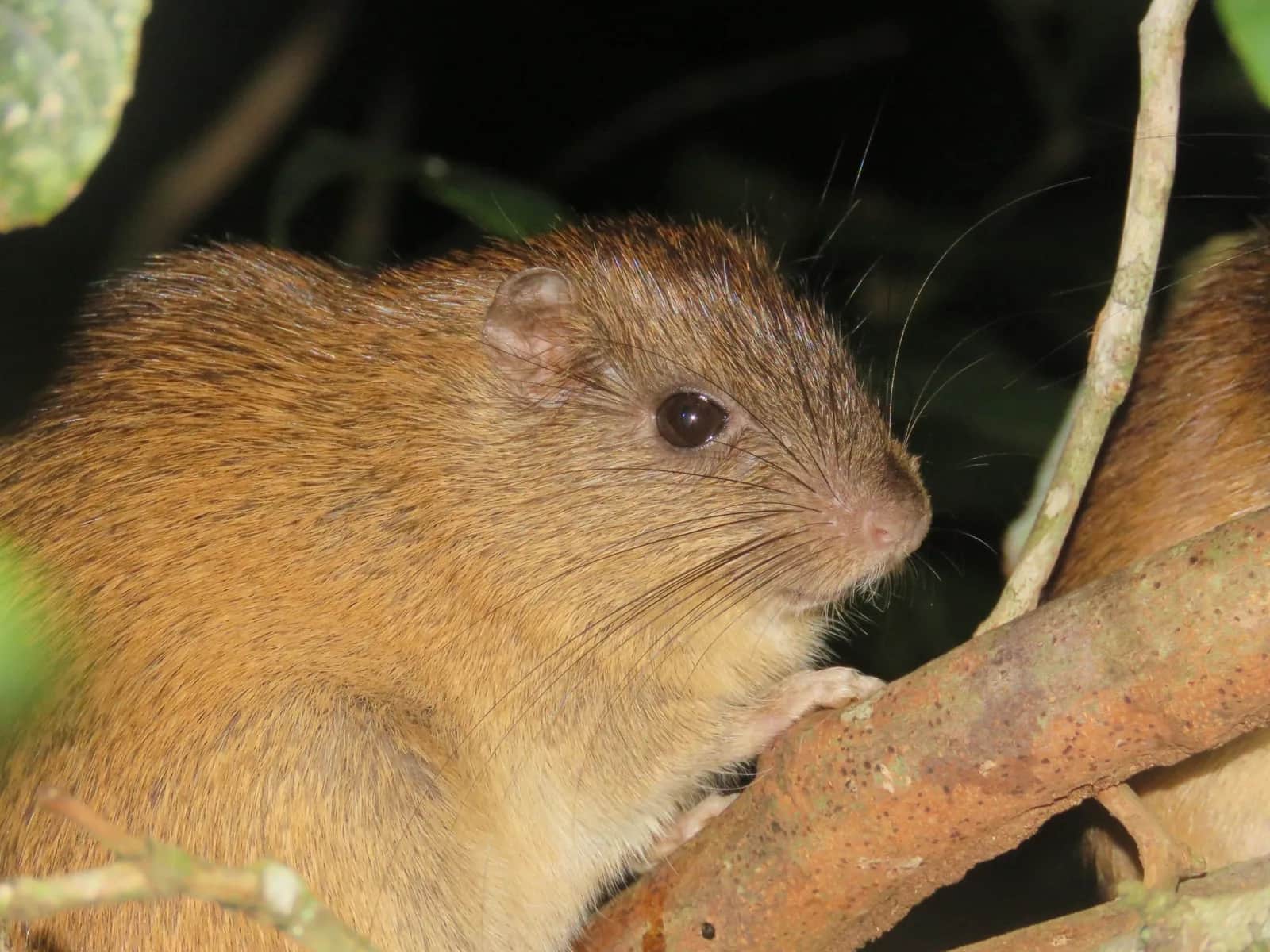 MammalsLC
Atlantic bamboo rat
Kannabateomys amblyonyx
The Atlantic bamboo rat is a highly specialized rodent of the Atlantic Forest, closely associated with stands of taquara — a native Brazilian bamboo — and other native bamboos. Nocturnal, elusive, and strictly arboreal, it is a classic example of extreme ecological specialization among Brazilian mammals.
View profile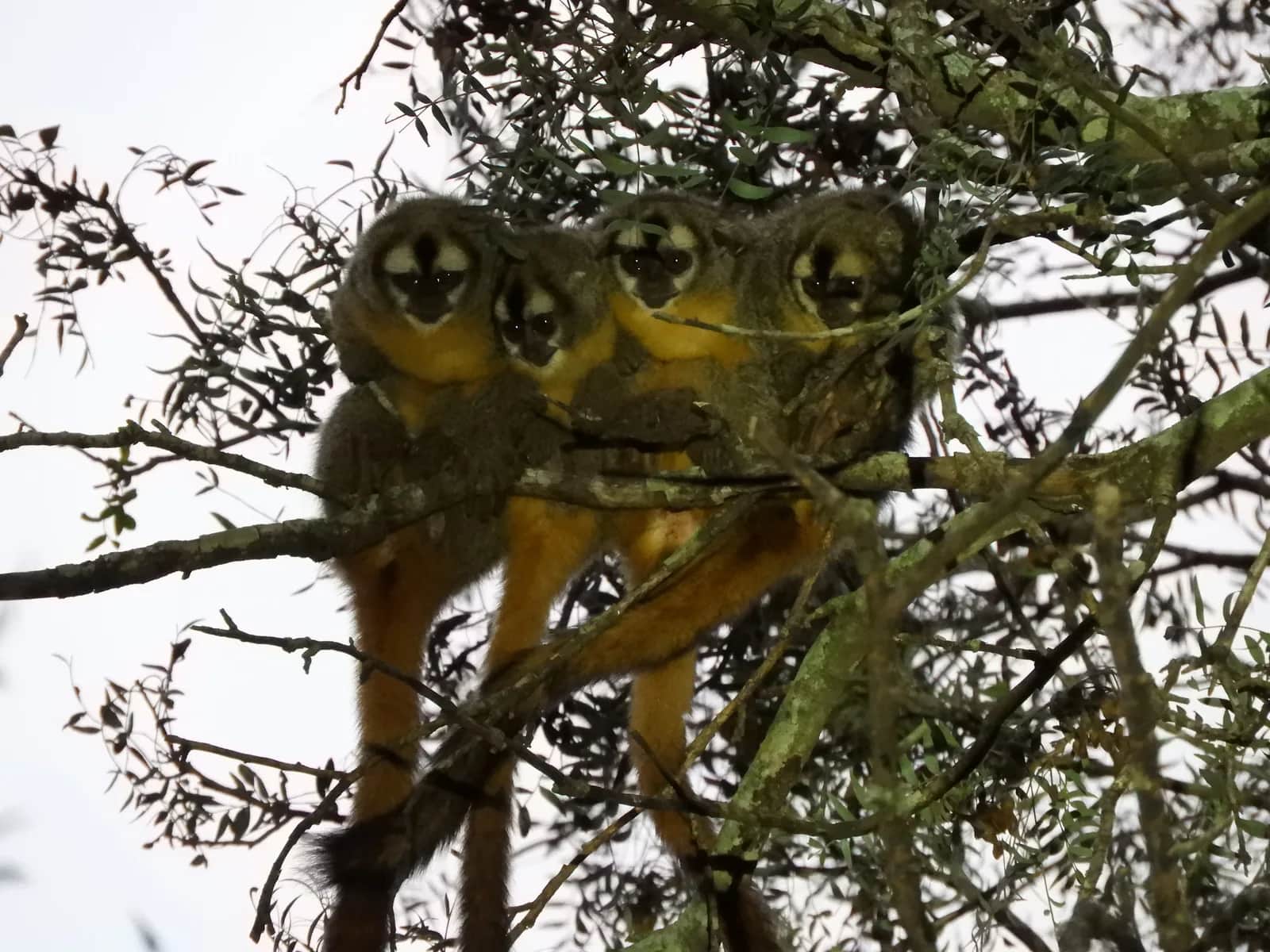 MammalsLC
Azara's night monkey
Aotus azarae
Azara's night monkey is one of the few strictly nocturnal primates in the world. In Brazil, it represents a refined adaptation to riparian forests, seasonal forests, and savanna-forest mosaics in the Central-West, with a social organization rare among primates: stable pairs and strong parental care.
View profile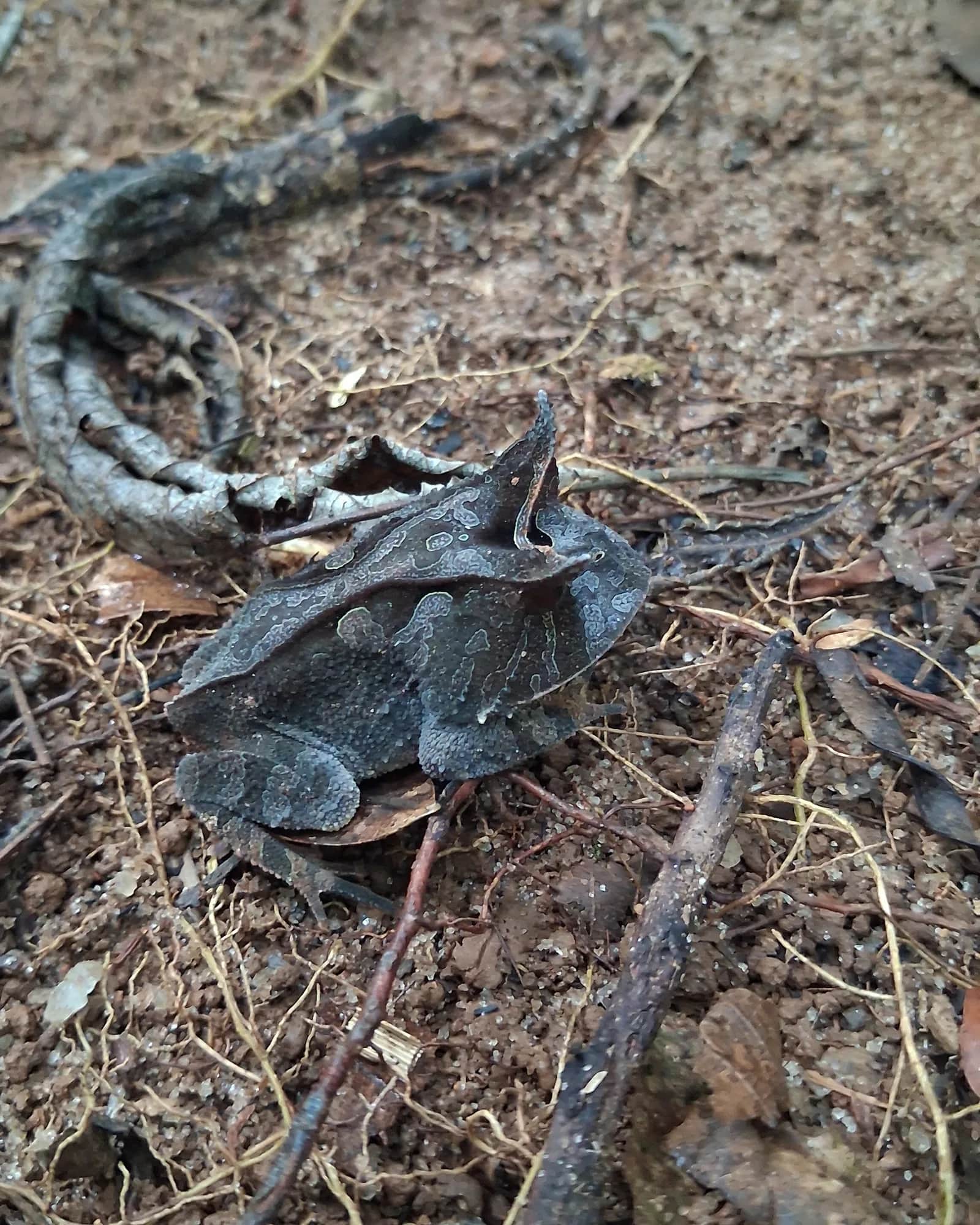 AmphibiansLC
Bahia smooth-horned frog
Proceratophrys boiei
Proceratophrys boiei is a medium-sized anuran of the Atlantic Forest, known for its cryptic appearance and skin projections above the eyes that give it the look of “horns.” It is an ambush predator highly adapted to forest leaf litter.
View profile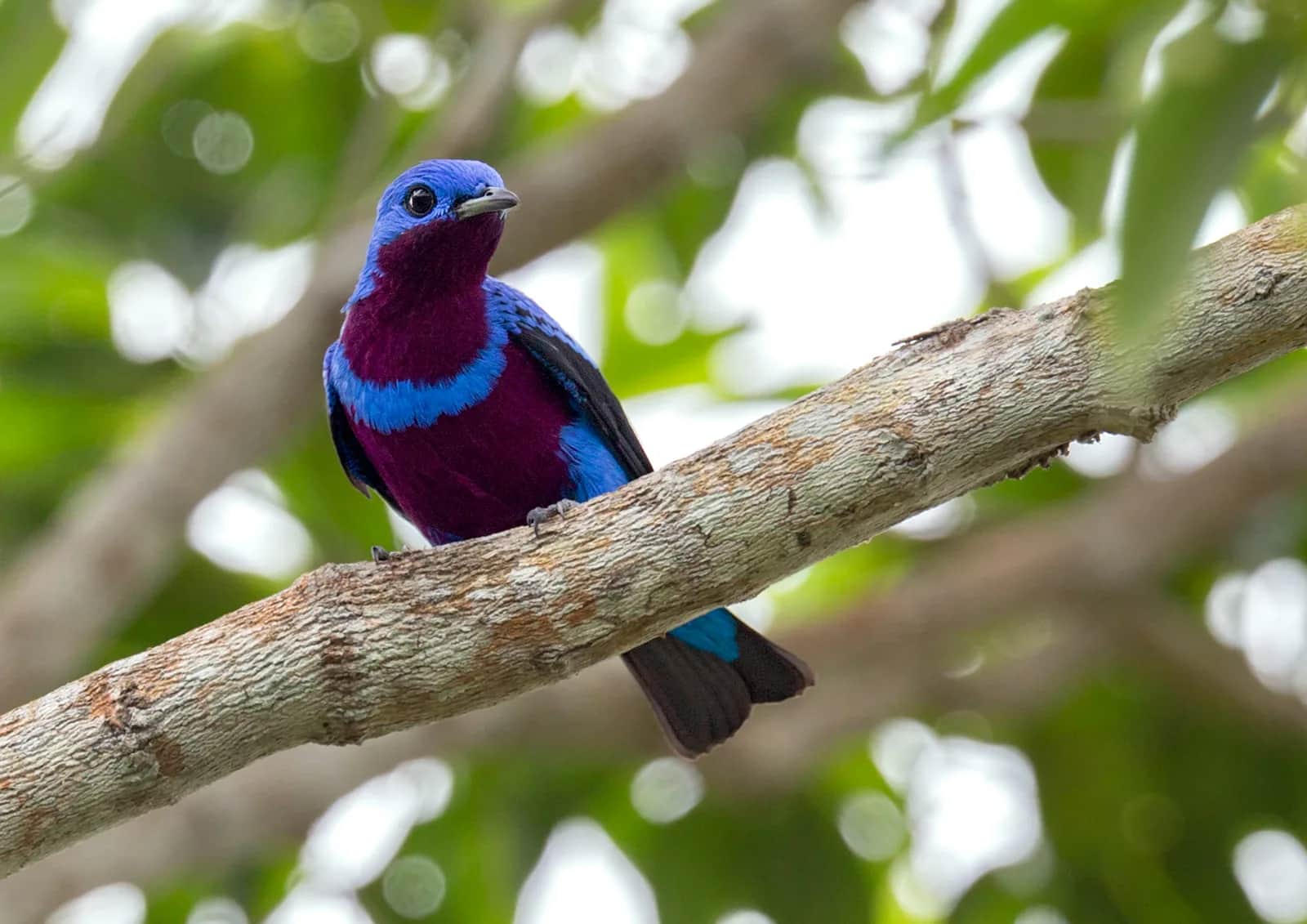 BirdsCR
Banded Cotinga
Cotinga maculata
High in the humid forest, the male Banded Cotinga seems to ignite a blaze of cobalt blue and purple among the leaves. Its visual impact contrasts with its discretion: the species is usually silent and spends much of its time in the canopy. Finding it also means finding one of the most fragile remnants of Brazil's Atlantic Forest.
View profile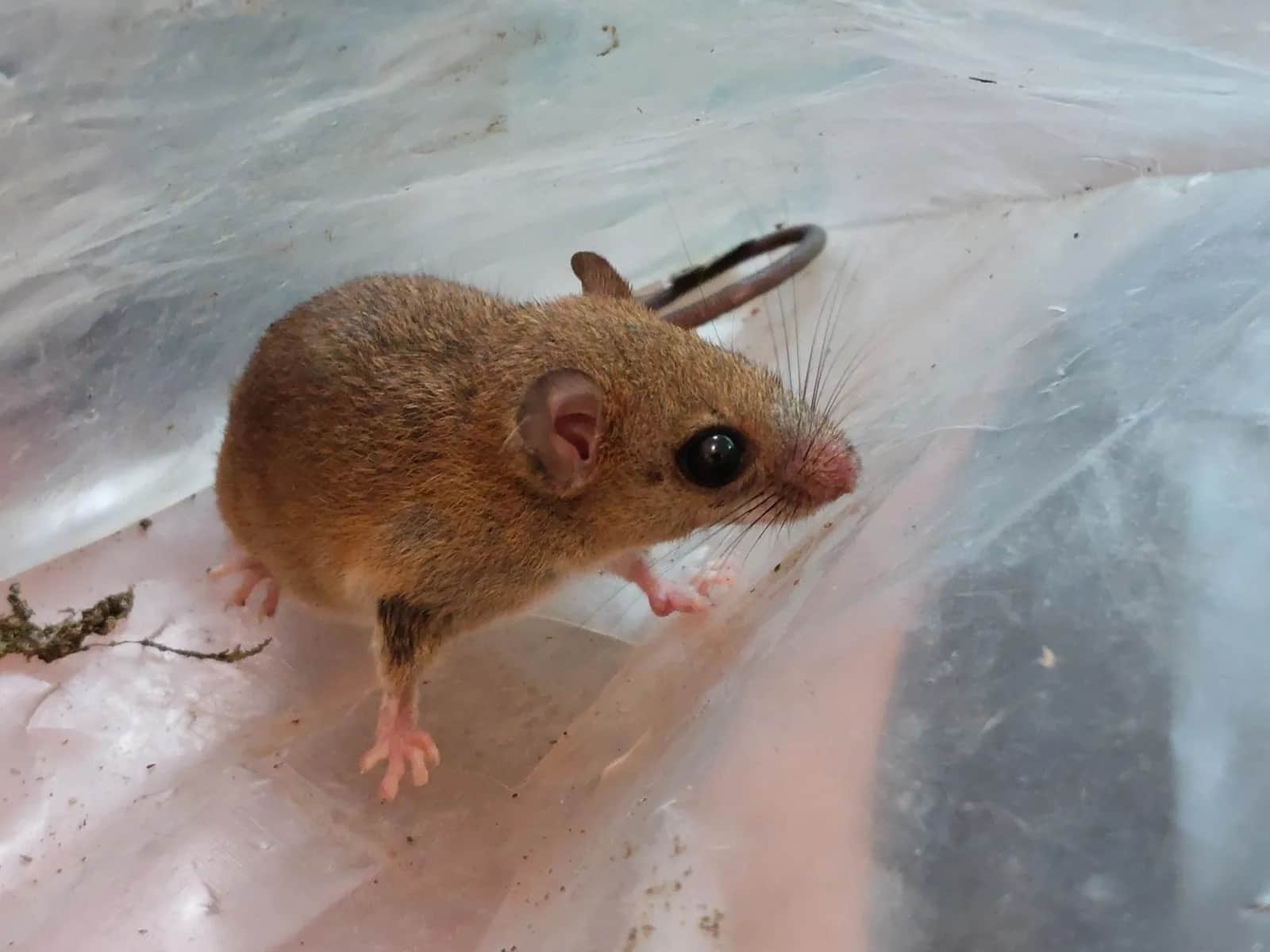 MammalsLC
Bicolored arboreal rice rat
Oecomys bicolor
The bicolored arboreal rice rat is a small, specialized rodent of the forest canopy, unobtrusive and seldom seen, yet ecologically significant. Its presence reflects forest structural integrity, especially in well-conserved tropical environments.
View profile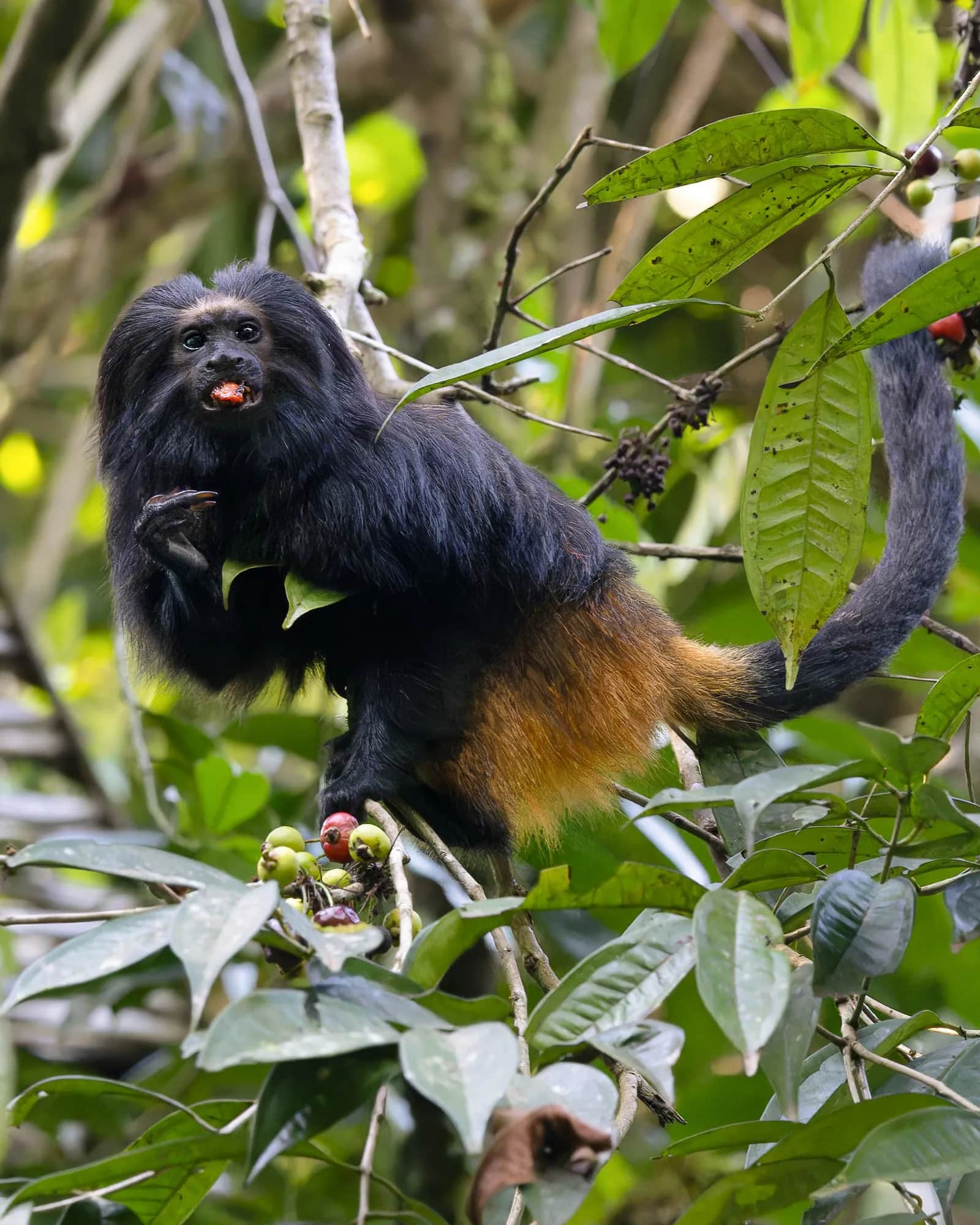 MammalsEN
Black lion tamarin
Leontopithecus chrysopygus
The black lion tamarin is one of Brazil’s rarest and most emblematic primates, as well as a symbol of conservation in the Atlantic Forest of São Paulo State’s interior. Endemic and highly dependent on well-structured forests, it embodies one of the country’s most delicate — and important — primate-conservation stories.
View profile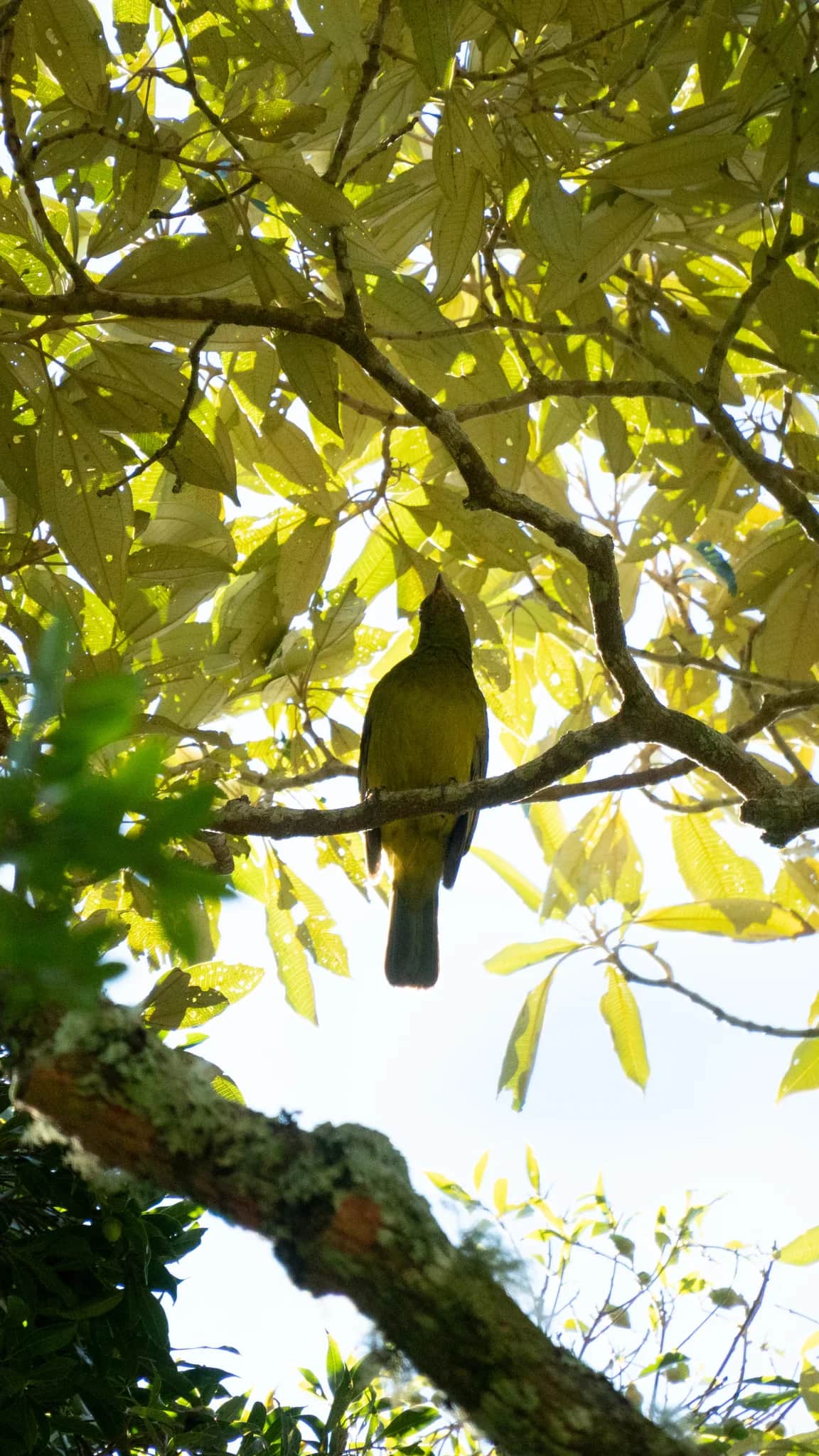 BirdsLC
Black-and-gold Cotinga
Tijuca atra
Before coming into view, the Black-and-gold Cotinga usually arrives as sound: a high, fine whistle climbing through the mountain mist. In the highland forests of southeastern Brazil, black males with golden wings answer one another until they turn the canopy into a continuous chorus.
View profile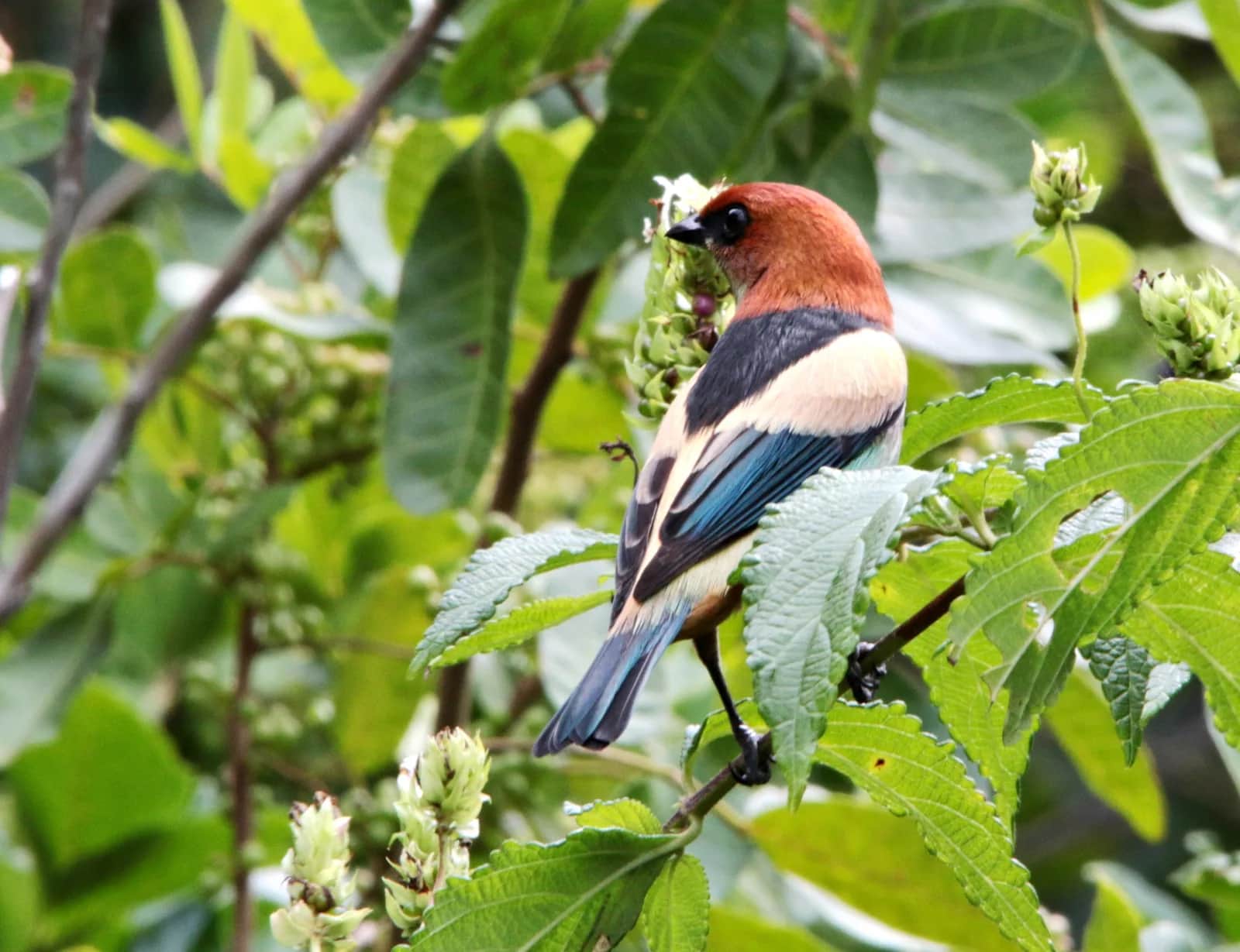 BirdsVU
Black-backed Tanager
Tangara peruviana
The Black-backed Tanager seems to carry a piece of sky and forest on its feathers: blue wings, blue-green below, cinnamon on the head, and black across the male’s back. Yet what truly sets it apart is a life in motion through Brazil’s restingas — coastal sandbank vegetation — following the rhythms of fruit ripening along the shore.
View profile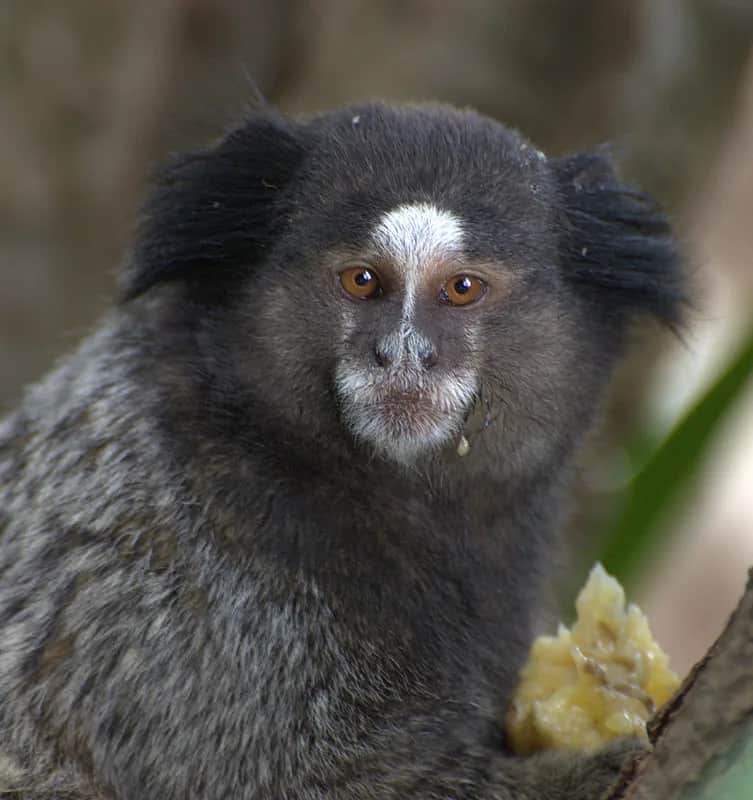 MammalsLC
Black-tufted-ear marmoset
Callithrix penicillata
The black-tufted-ear marmoset is one of Brazil's most adaptable and expansive primates. Small, intelligent, and highly opportunistic, it thrives in natural and urban settings, making it key to understanding the boundaries between conservation, adaptation, and ecological conflict.
View profile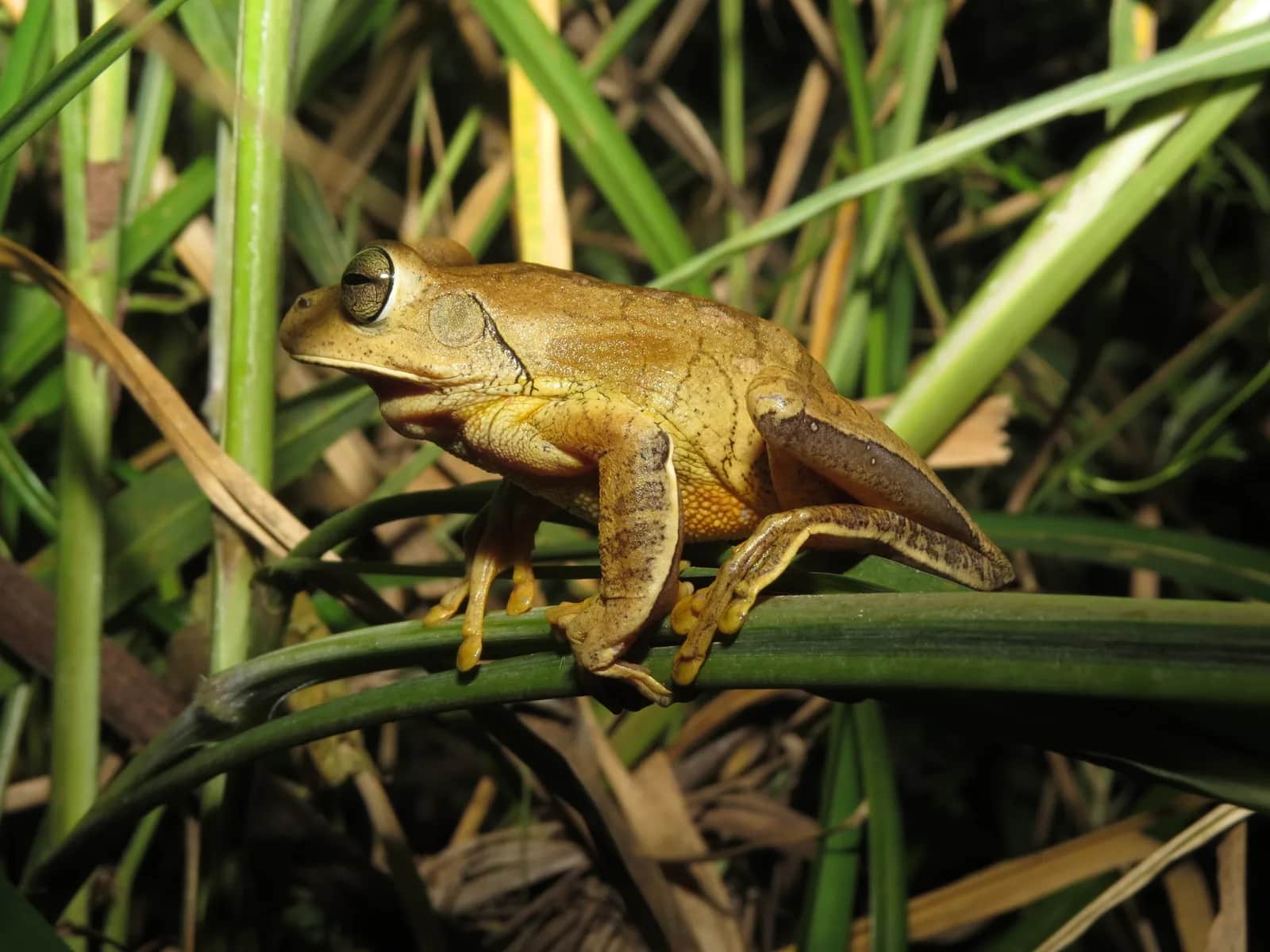 AmphibiansLC
Blacksmith Treefrog
Boana faber
The Blacksmith Treefrog is one of the most remarkable amphibians of Brazil's Atlantic Forest, known for its nest-building behavior and reproductive strategies that are rare among anurans. Its presence reveals forest environments that remain functional, especially near water bodies.
View profile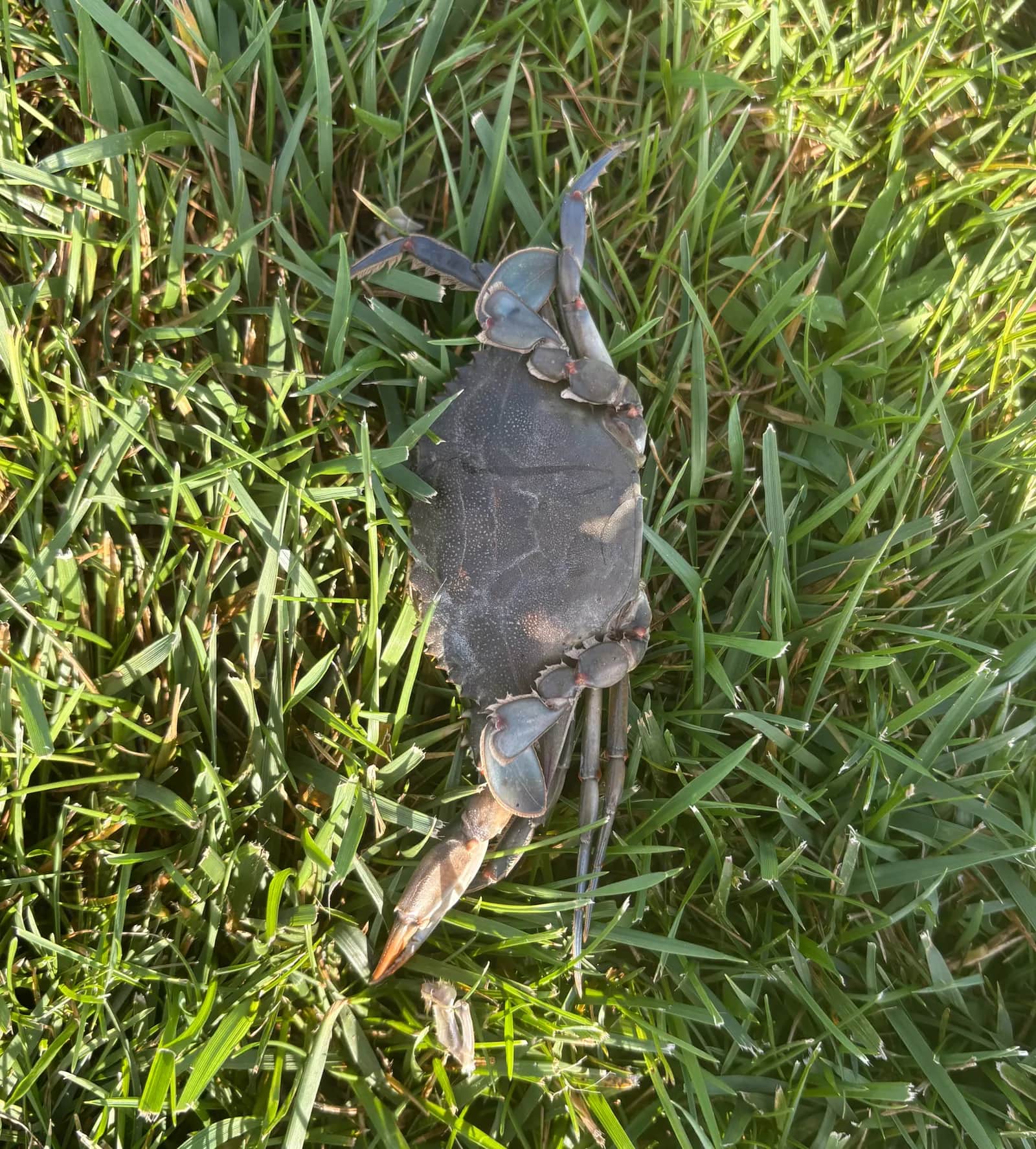 CrustaceansNE
Blue crab
Callinectes sapidus
Agile, aggressive, and economically valuable, the blue crab is one of the Western Atlantic's most widely studied crustaceans. In Callinectes sapidus, estuarine ecology, commercial fishing, and coastal dynamics converge, making the species a living gauge of the health of estuaries and bays.
View profile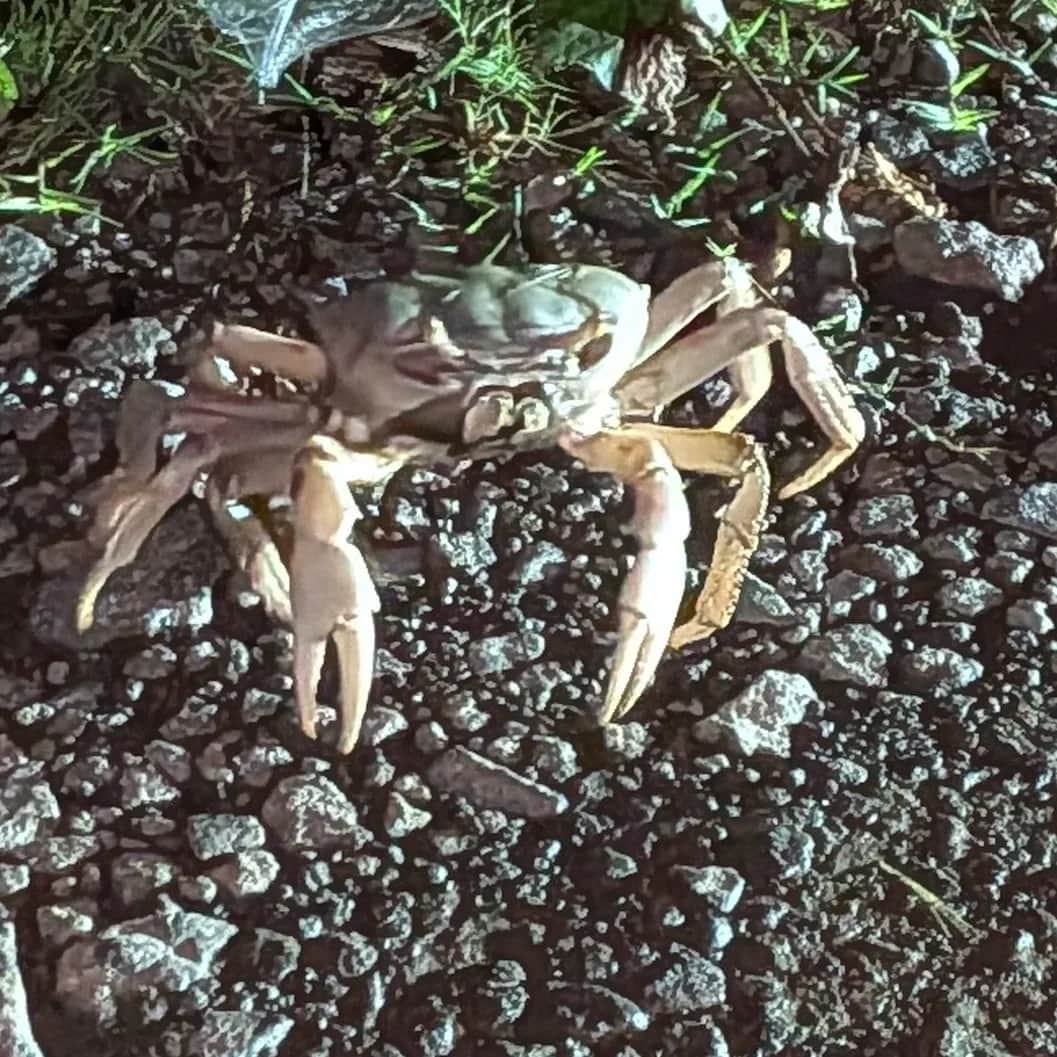 CrustaceansNE
Blue land crab
Cardisoma guanhumi
Strong, territorial and deeply tied to mangroves and restinga, the guaiamum — a blue land crab — is one of Brazil’s most emblematic land crabs. In Cardisoma guanhumi, traditional culture, coastal ecology and conservation converge — now under intense human pressure.
View profile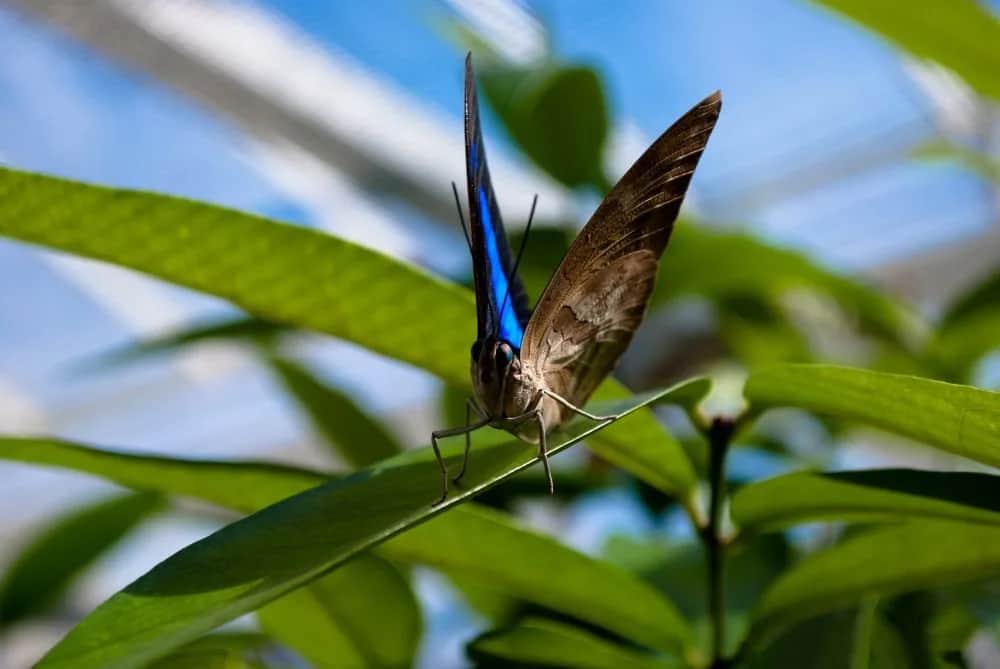 InsectsNE
Blue morpho
Morpho menelaus
Morpho menelaus is one of the most striking butterflies of tropical forests, celebrated for the flashes of iridescent blue that appear and vanish as it flies between shade and shafts of light. Beauty here is no accident: it is a refined strategy for survival.
View profile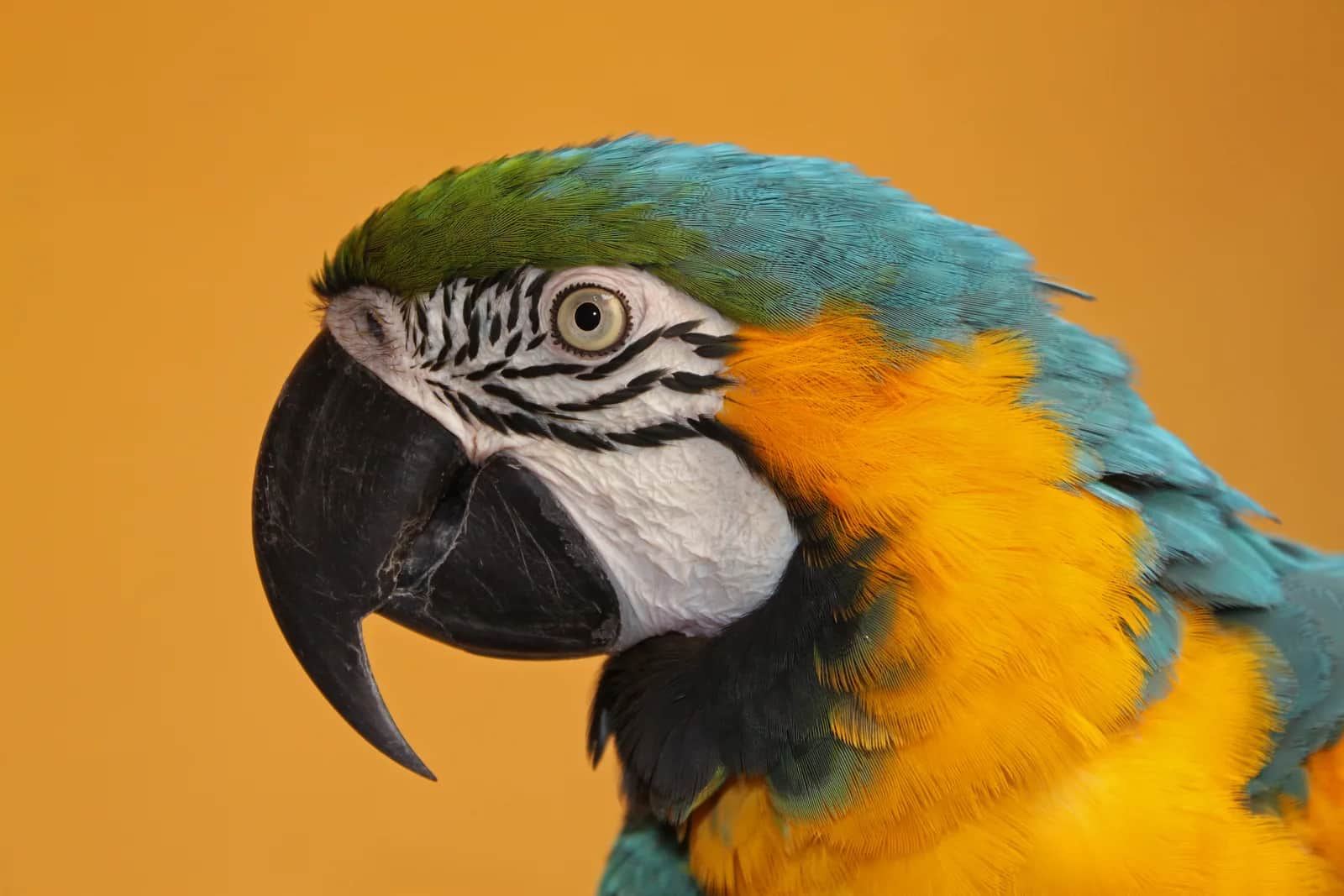 BirdsLC
Blue-and-yellow Macaw
Ara ararauna
Before it appears in the sky, the Blue-and-yellow Macaw often announces its arrival: a harsh call cuts through forest or city, and then blue and yellow rise above the canopy. With a bill able to open resilient seeds and a social life built around pairs and flocks, it links palms, forests, and savannas wherever it travels. In Brazil, it is a striking presence, though its range also reaches other South American countries and eastern Panama.
View profile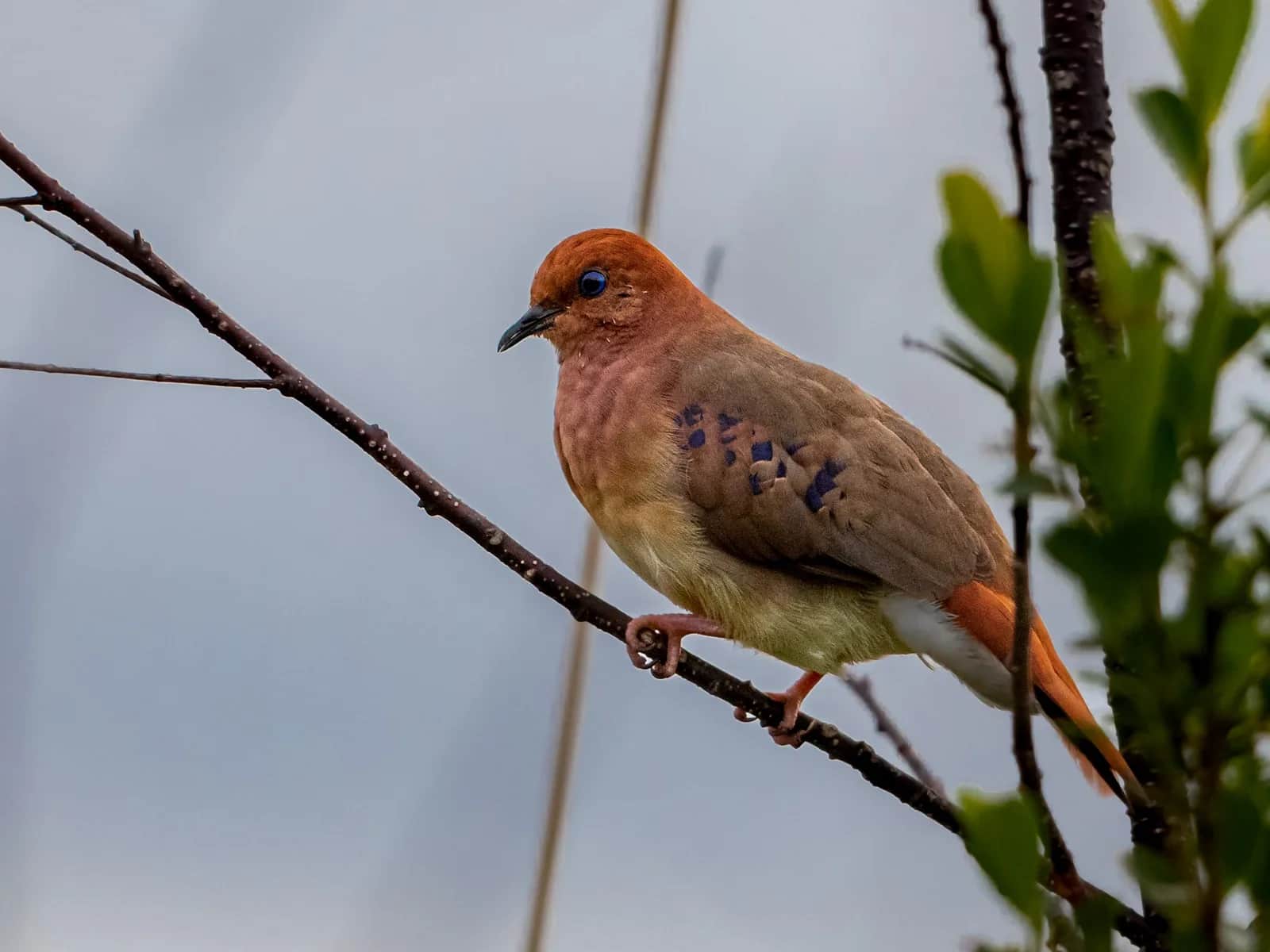 BirdsCR
Blue-eyed Ground Dove
Columbina cyanopis
For about 75 years, the Blue-eyed Ground Dove lived on the border between museum memory and the absence of confirmed records. When it reappeared in the Brazilian savanna of Minas Gerais in 2015, its soft call and blue eyes restored to Brazil a bird found naturally in no other country.
View profile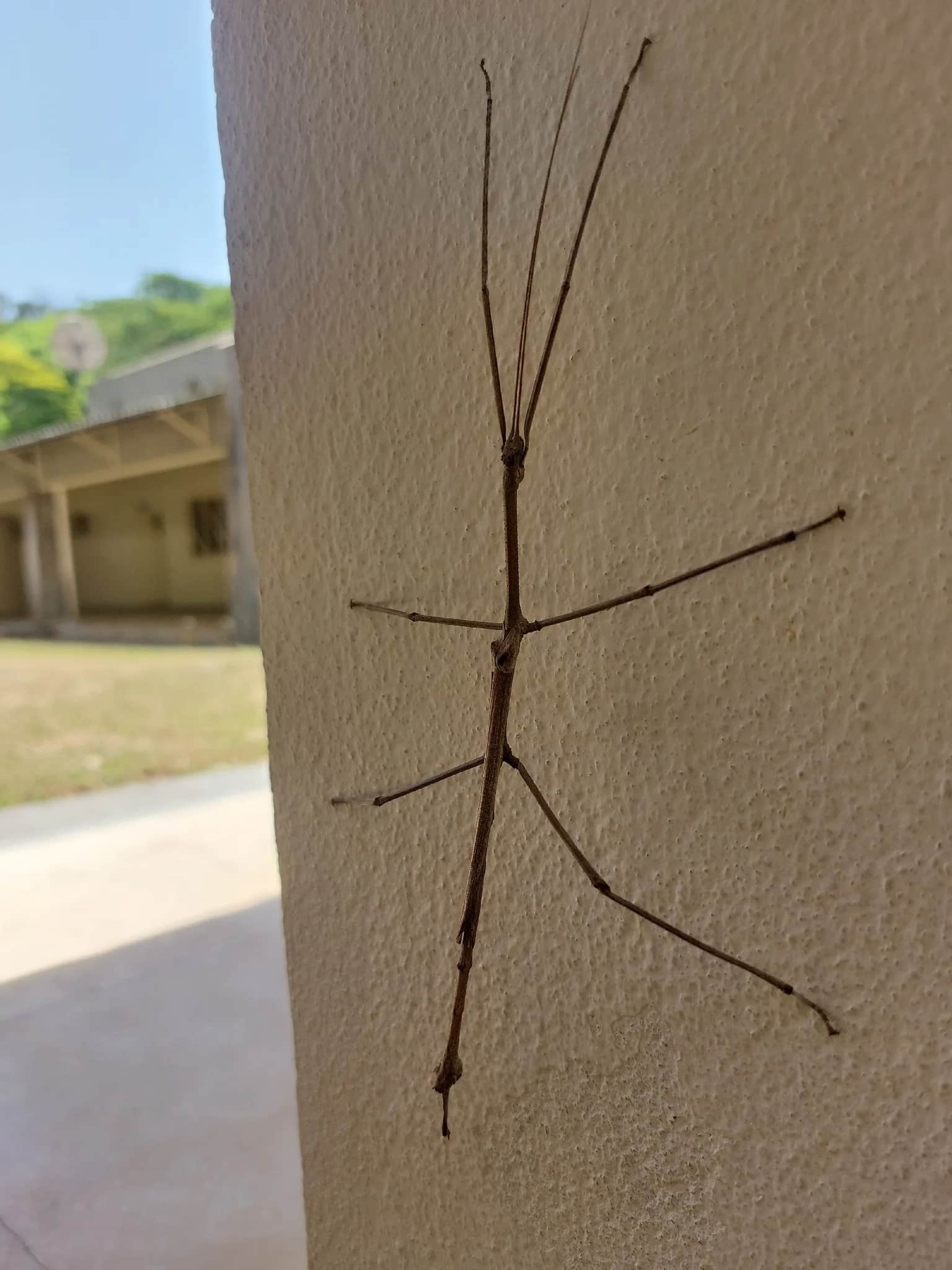 InsectsNE
Brazilian giant stick insect
Cladomorphus phyllinus
A master of camouflage, the Brazilian giant stick insect is among the most remarkable insects in Brazil’s fauna. For Cladomorphus phyllinus, looking like a twig is no trick—it is a refined survival strategy, honed over millions of years.
View profile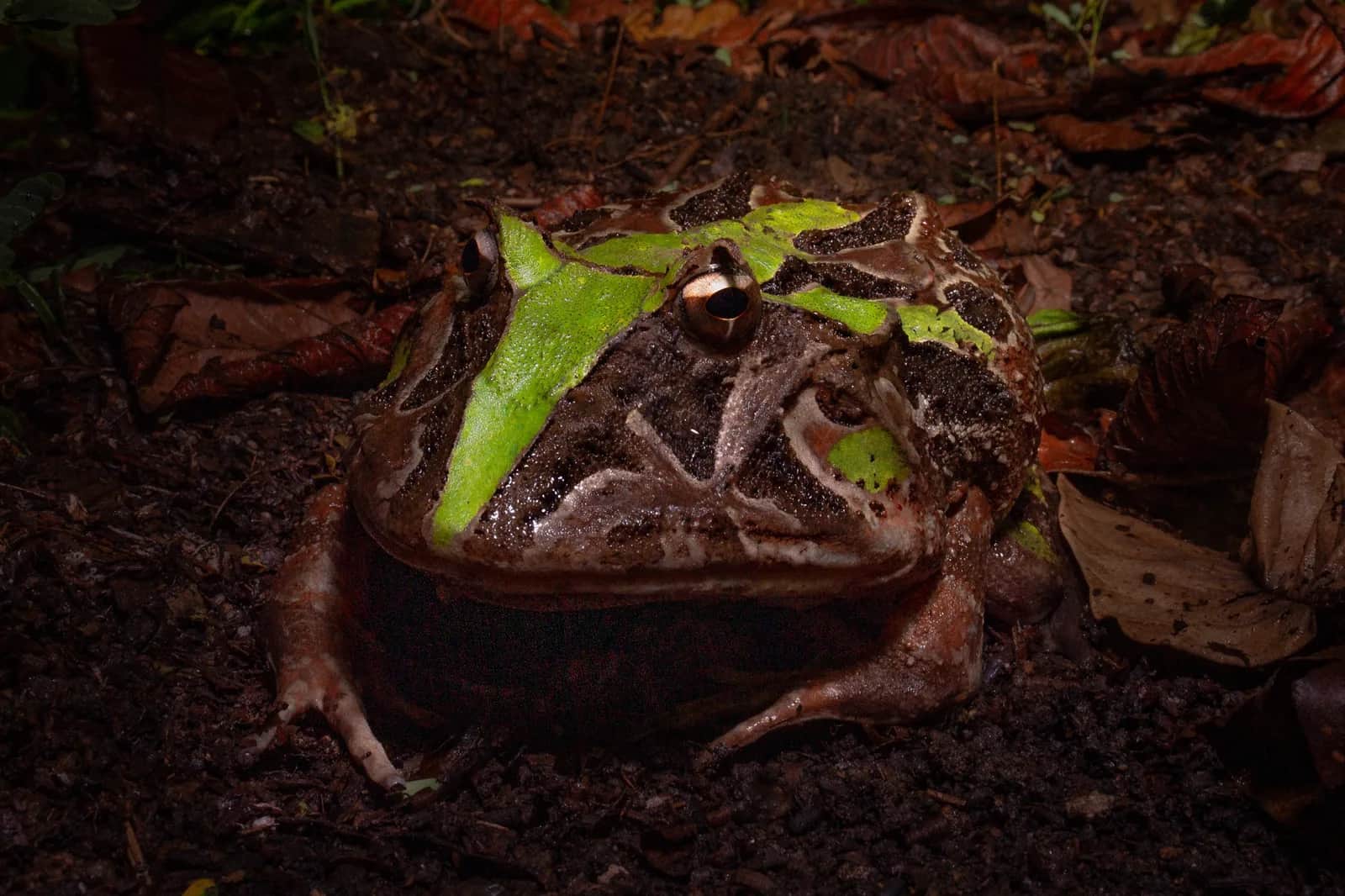 AmphibiansLC
Brazilian horned frog / Wied's frog
Ceratophrys aurita
Ceratophrys aurita is one of the Atlantic Forest’s most striking amphibians, known for its robust body, disproportionately large mouth, and ambush-hunting strategy. It is an extreme example of adaptation to consuming relatively large prey.
View profile